1. Why Candlesticks Matter
When you look at a price chart for a currency pair, commodity, index or any liquid market, you’re really viewing millions of decisions by buyers and sellers stacked together. The beauty of a candlestick chart is that
each candle tells a story — of opening price, closing price, highs and lows — all compressed into one visual.
- A candlestick gives you open, high, low, close (OHLC) for the time-frame you’re viewing. For example, a daily candle will represent the OHLC of the day.
- They help you see market sentiment: who was in control (buyers or sellers), how strong, and whether the balance shifted.
- They’re extremely popular because they pack this very rich info in a format that is easier to interpret than just bars or lines.
In forex trading, candlesticks become one of your
first tools: before you draw trendlines or calculate indicator values, you want to see what price did. They’re foundational.
2. Anatomy of a Candlestick
Let’s break down the parts – so you’re clear on what you’re reading.
2.1 Real Body
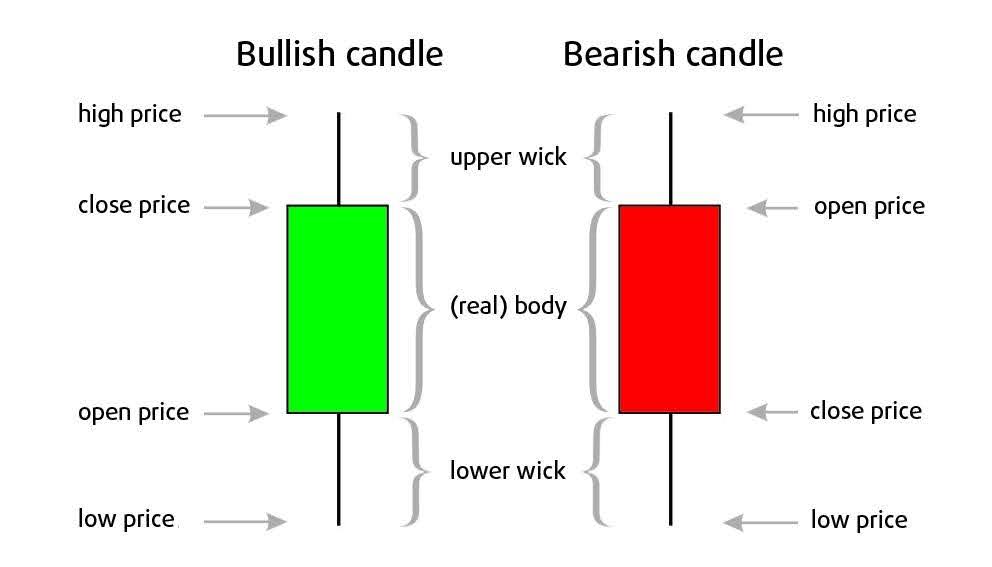
The rectangular part of the candle is called the real body.
- It shows the difference between the opening price and the closing price within that candle’s timeframe.
- If close > open → typically a bullish candle (often coloured green/blue/white).
- If close < open → bearish candle (often red/black/yellow).
- A large body means strong momentum: buyers were clearly in control (for a bullish candle) or sellers (for bearish).
- A small body means indecision: price opened and closed close to each other.
2.2 Wicks / Shadows (Upper & Lower)
These are the thin lines above and below the body.
- Upper wick = the highest price reached during that interval.
- Lower wick = the lowest price during that interval.
- Long wicks can show rejection of a price: e.g., price went high but sellers pushed it down (long upper wick). Or the price went low, but buyers pushed it back up (long lower wick).
2.3 Colour / Fill
The colours or fills vary by platform, but the principle is:
- Scheme A: Green/blue/white = bullish (close higher than open); Red/black/yellow = bearish (close lower than open).
- The colour instantly tells you the direction of control for that period.
2.4 Timeframe & Context
Remember: a candlestick is only as meaningful as the timeframe you’re viewing. A 1-hour candle tells a different story than a daily candle. The real body, wick lengths and relative positions all depend on context. The market’s structure matters.
3. What Candlesticks Actually Tell Us
Understanding
what to look for is as important as knowing the anatomy. The “why” behind what you see matters a lot.
3.1 Who Controlled the Period?
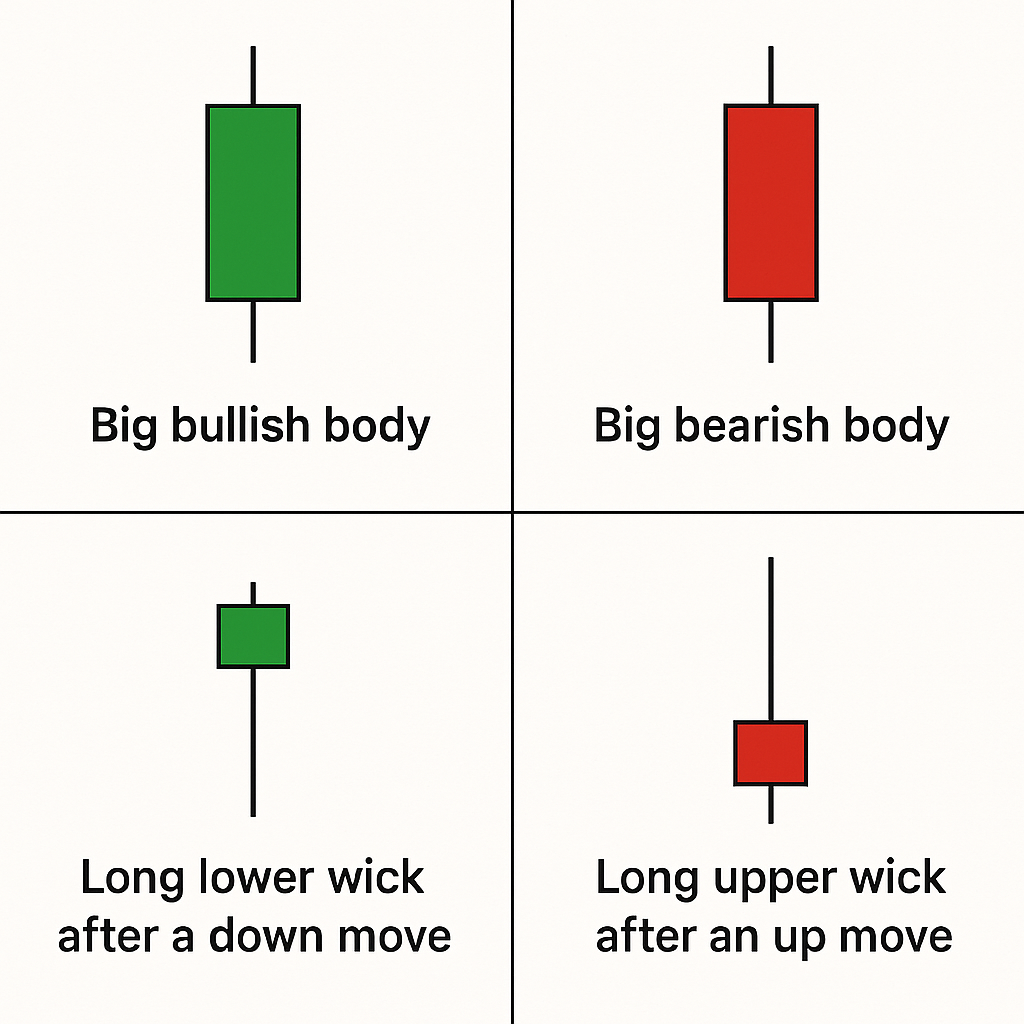
- Big bullish body → buyers were strong and in control.
- Big bearish body → sellers were strong and in control.
- Long lower wick after a down move → buyers attempted a reversal.
- Long upper wick after an up move → sellers pushed back.
3.2 Market Sentiment, Shift & Rejection
- If you see a candle that closes far from its high/low, that tells a story of rejection.
- For example: price soared, but then came down and closed near open → sellers rejected the advance.
- Similarly: price drops to new low, but closes near high of the candle → buyers rejected the drop.
3.3 Use in Trend / Reversal Context
Candlesticks are especially useful when they appear at
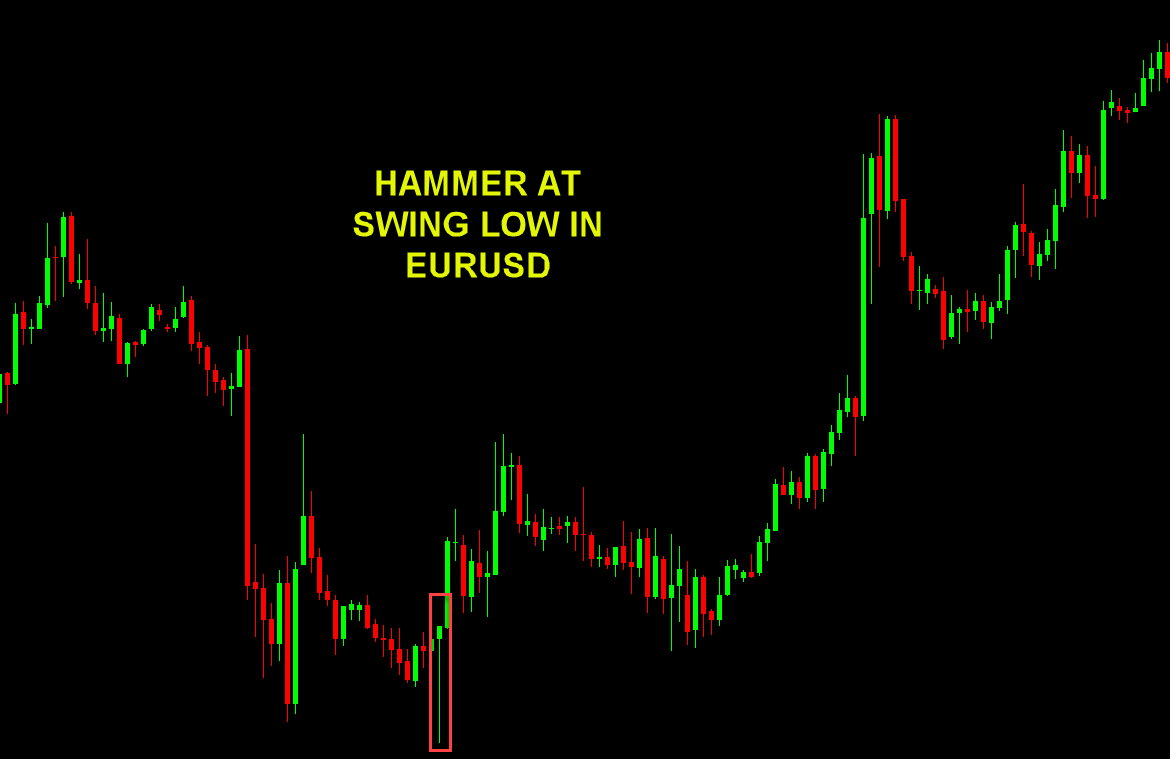
key levels – support, resistance, trendlines. A hammer candle at strong support means more than that same hammer in the middle of nowhere. Many books highlight this.
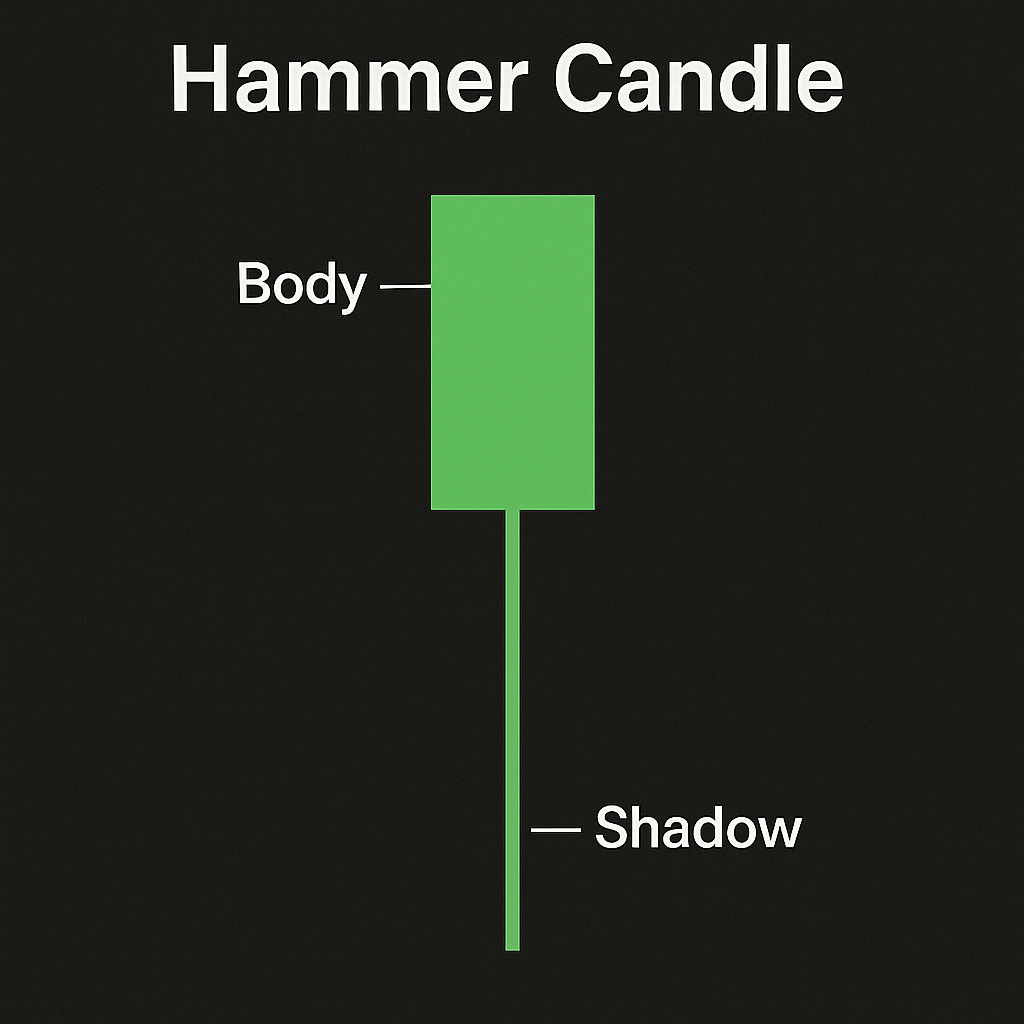
Also: Candle patterns are not magic. They give probabilities, not certainties. Even a textbook perfect “hammer” can fail if the structure is weak.
3.4 Limitation → They Work Best With Structure
It’s tempting to trade every single candle pattern, but beware:
- You must check that you’re not trading in a “no-man’s land” without support/resistance.
- Always ask: Why did that candle move so much? What happened after?
- Candlesticks are most potent with confirmation—either by a next candle, volume spike, or position in the broader chart.
4. Practical Application in Your Trading
Now – we tie candlesticks into what you do as a trader. So here are application steps.
4.1 Scan for Candles at Key Levels
When you monitor a pair like EUR/USD or USD/JPY for example:
- Mark major zones (support, resistance, trendlines).
- Watch when price approaches those zones – look for candle reactions.
For example: if EUR/USD drops to a previous swing low and you see a long lower-wick hammer there — this is a signal to pay attention to.
4.2 Use Multiple Time-Frames
Say you trade on a 4-hour chart. Look at the daily candlesticks too. A candlestick pattern on the daily gives stronger weight than the same on 15-min (because more participants and more data). And if you trade intraday, your 15-min candle reacting at intraday pivots still matters, but treat differently.
4.3 Define Entry, Stop & Target Based On Candles
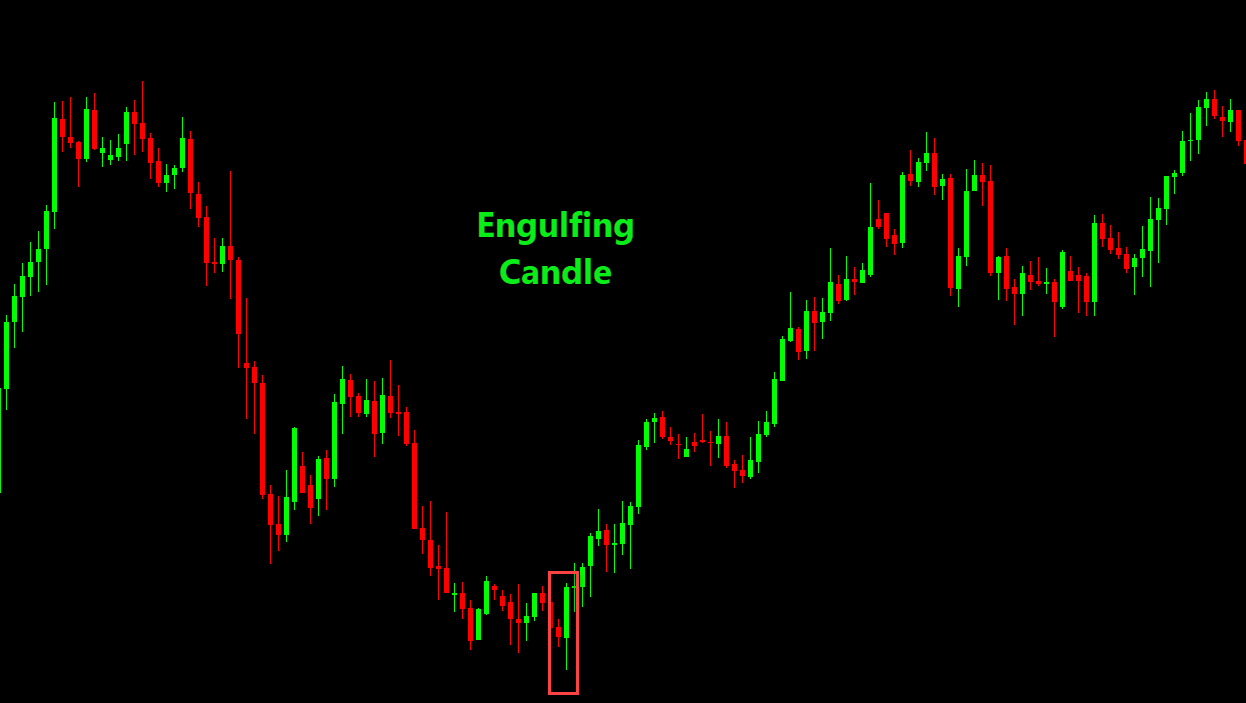
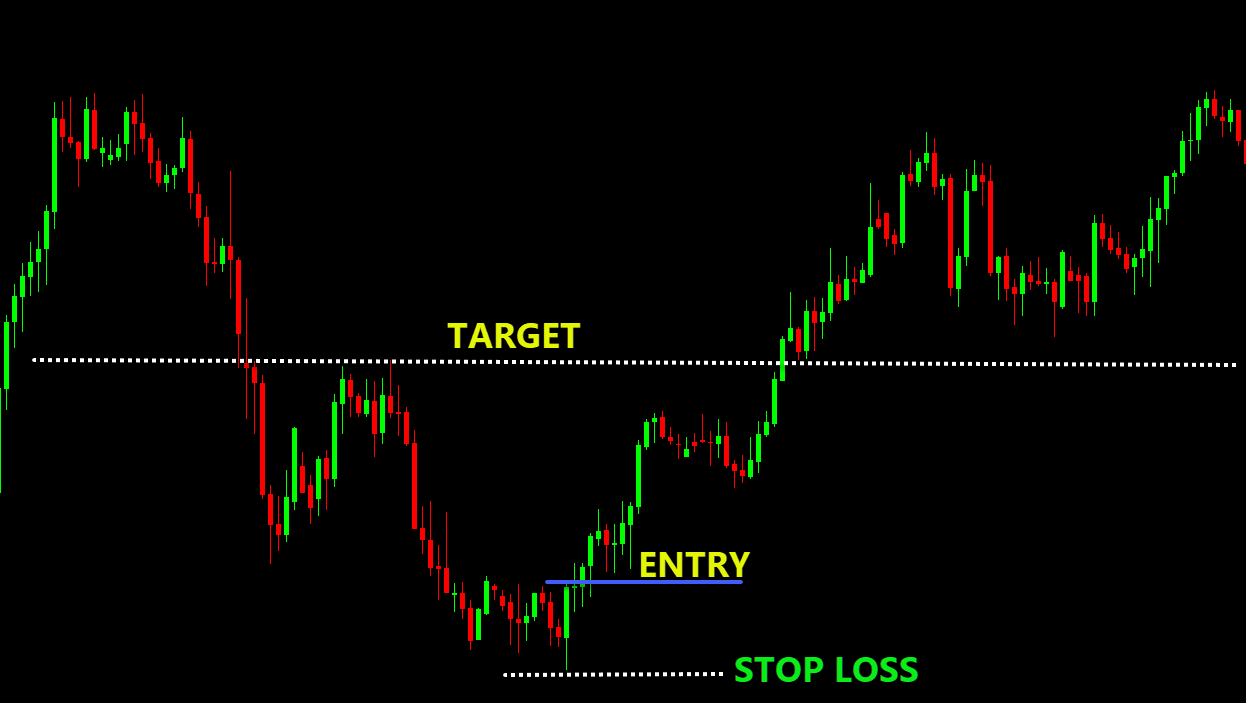
- Entry: you might enter after the candle closes and validates the pattern (or you may wait for the next candle).
- Stop-loss: can go below/above the wick of the candle pattern (favouring risk/reward).
- Target: combine with structure (next swing, resistance zone) rather than arbitrary pips.
4.4 Avoid Pattern-Hunting in a Vacuum
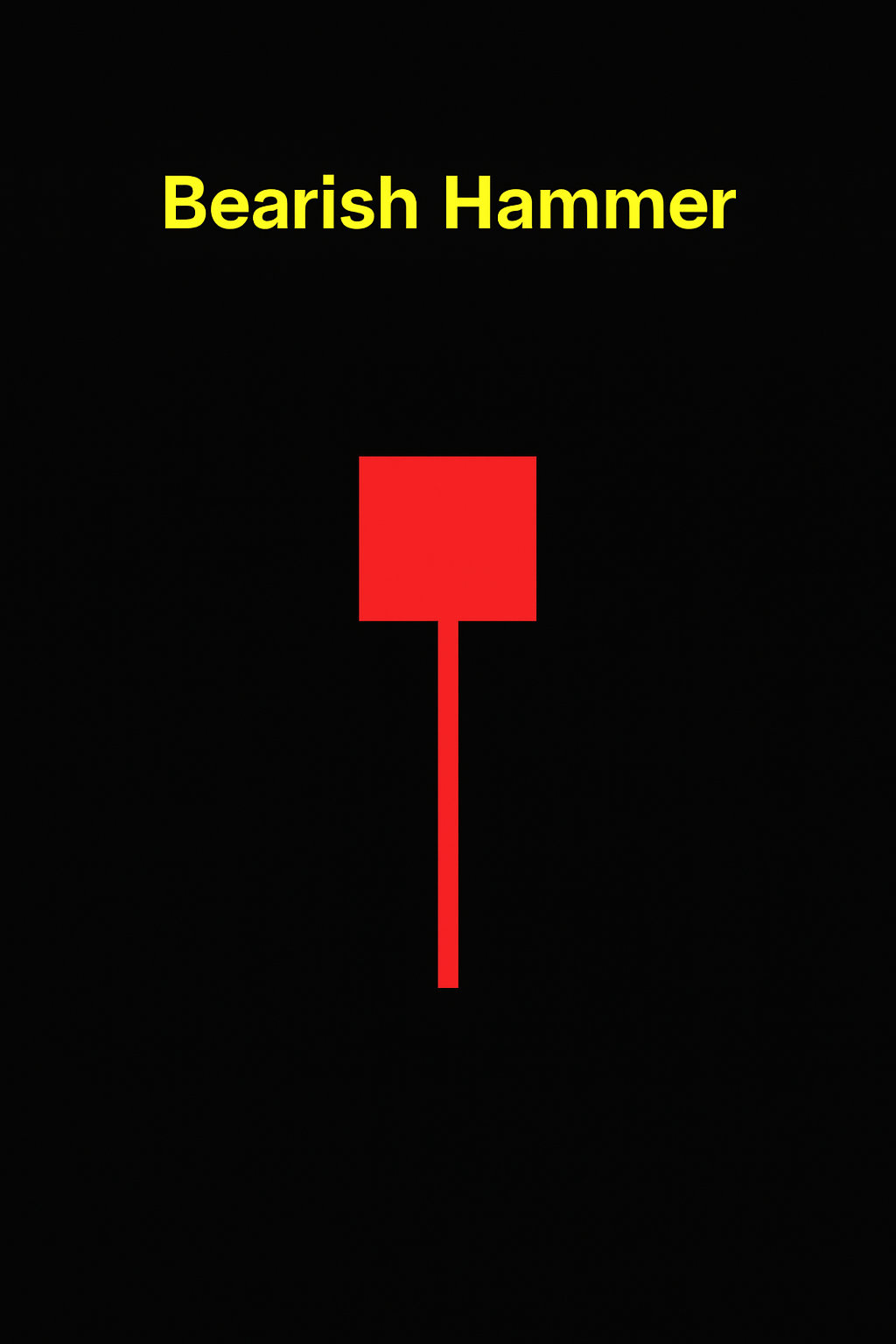
One major pitfall: seeing a hammer candle when nothing logical is happening. For example: market in a range with no clear structure and a random candle looked “good”. This often fails
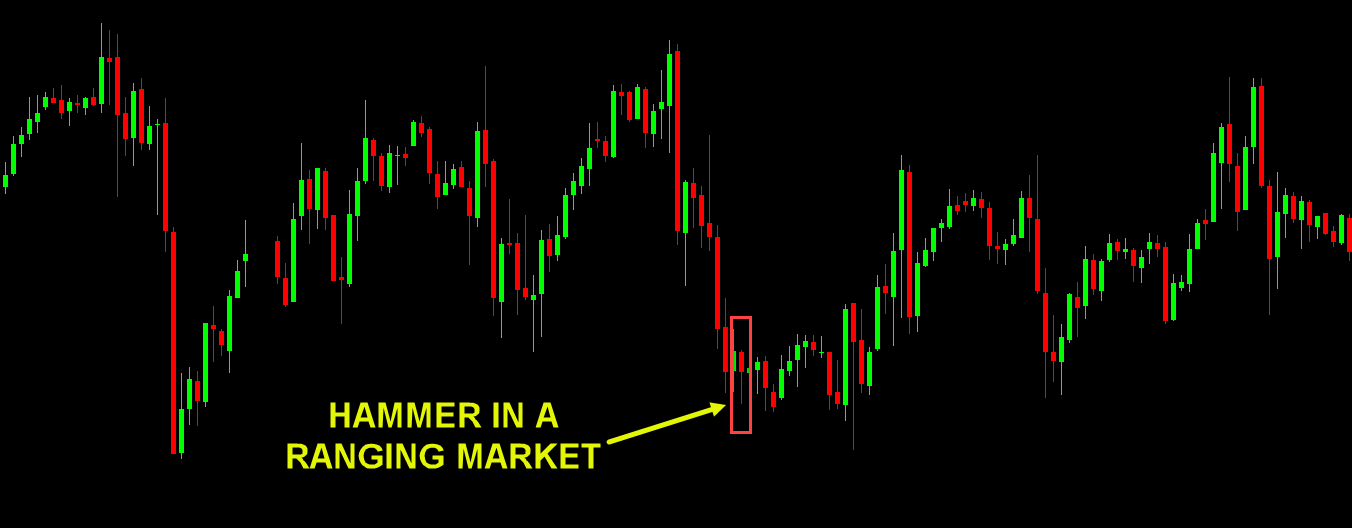
Candlesticks are tools to amplify context, not replace it.
4.5 Practice & Review
You will improve by
reviewing past trades and looking for candlestick-based setups, analysing which worked and which didn’t — what context was missing. This builds your “feel” or “intuition,” as many traders love to call it.
5. Summary & Key Take-Aways
- Candlesticks give you OHLC info in a compact visual; they reflect the tug-of-war between buyers and sellers.
- Learn the anatomy: body, wicks, colour, context & timeframe.
- Patterns matter—but only in context. Stronger when combined with levels, trendlines, structure.
- Use them in your trading routine: scan for zones → watch candle reactions → define entry/stop/target → review after.
- Avoid pattern-hunting without structure. Candlesticks don’t guarantee outcomes—but they give you clues. Much like footprints in the sand: they tell you something happened and you should pay attention.
Final Thought
As a trader, mastering candlesticks is like mastering the
language of price. Once you begin to see the narrative behind those wicks and bodies, you’ll be able to anticipate moves rather than just react. Keep it simple, focus on structure, candles with your broader technical view and these candle signals will become a valuable part of your toolkit.