1. Why This Matters
In the world of forex trading, one of the most common patterns you’ll see on charts is a
breakout—price breaking out of a zone or range and moving sharply. And quite often, what seems like a breakout turns out to be a
fakeout—price breaks, then reverses, trapping traders. Knowing the difference is a powerful advantage.
In this article, I’ll walk you through:
- What exactly a breakout and a fakeout are.
- The signals and psychology behind them.
- How to trade them with clarity (and avoid getting fooled).
- Practical checklists & pitfalls to avoid.
My goal: keep it
simple,
friendly,
unique, and beside the “text-book” definitions, show you how an experienced trader thinks about them.
2. Definitions: What’s a Breakout? What’s a Fakeout?
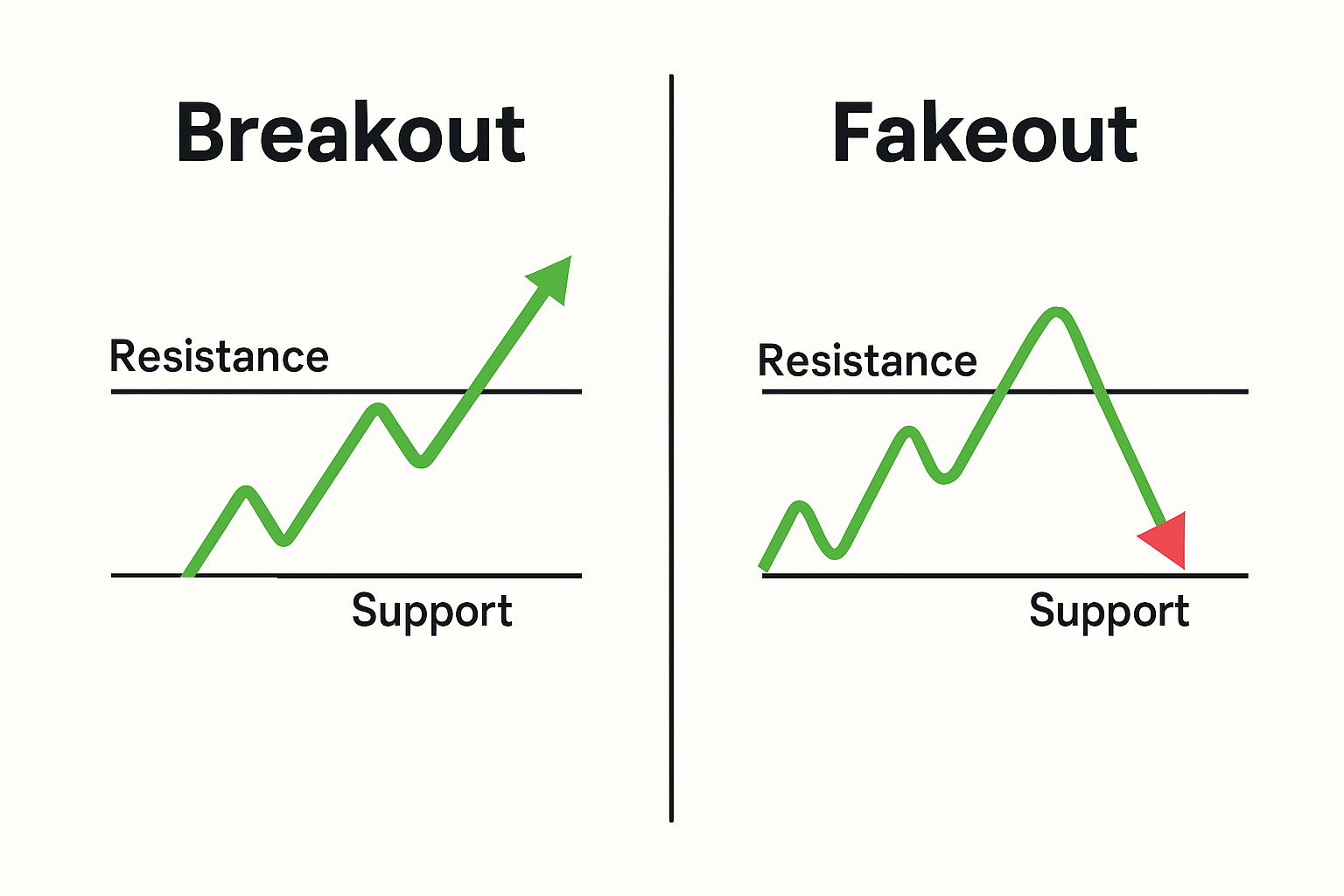 Breakout:
 Price has been contained in a structure (range, triangle, channel, support/resistance level). Then it breaches that level (with conviction) and starts a move—often trending further in that direction.
Fakeout (also called false breakout or head-fake): Price appears to break a level (doing that “zone-exit” movement), but then
fails to continue in that direction and instead reverses back into the previous structure (or even reverses into the opposite direction). Many traders who entered on the break get trapped.
3. Why Breakouts Happen (and Why Fakeouts Happen)
Why Breakouts Happen
- Accumulated pressure in the market — participants on both sides are waiting.
- A breakout may signal a shift: new buyers (or sellers) overpowering the previous range.
- Major news, fundamental triggers, or large institutional flows may cause a breakout.
- Technical reasons: trendlines, support/resistance levels forming the squeeze.
Why Fakeouts Happen
- Market “shake-out”: The smart money knows many retail traders crowd breakouts, so they cause the breakout to lure your stop-losses, then reverse.
- Lack of follow-through volume. The breakout occurs, but without strength behind it.
- Liquidity hunts: price moves past a level to grab trapped orders, then reverses.
- Breakout signals happen in choppy or low-volume conditions (e.g., thin sessions), increasing failure likelihood.
4. Key Differences Between a Robust Breakout vs. a Vulnerable Fakeout
Here are some of the observable traits one can look at:
| Trait |
Real Breakout |
Suspect / Fakeout |
| Volume (or proxy: candle size) |
Strong volume or a large candle showing conviction |
Weak volume, small candle, mushy move |
| Retest of the broken level |
Price breaks, then pulls back to retest the old level (now acting opposite) and then continues |
Breaks, but either doesn’t respect the level or immediately reverses without a proper retest |
| Context of trend/structure |
Breakout aligns with trend and time-frame structure (symmetry) |
Breakout against the dominant trend, or from a weak structure (wide range, many earlier false breaks) |
| Time-of-day / market conditions |
Session with adequate liquidity, clear participation |
Thin session (end of day), low volume, ambiguous involvement |
| Follow-through and confirmation |
Price continues in direction, creating new higher highs / lower lows |
Price stalls, pulls back, and reverses soon after the breakout |
| Risk/reward scenario |
Entry defined, stop just behind/under old structure, target logical |
Entry unclear, stop is sometimes far, target vague, risk of larger drawdown |
5. How to Trade Breakouts (With Discipline)
Here’s a friendly step-by-step checklist for trading breakouts in forex:
Step A: Pre-Setup
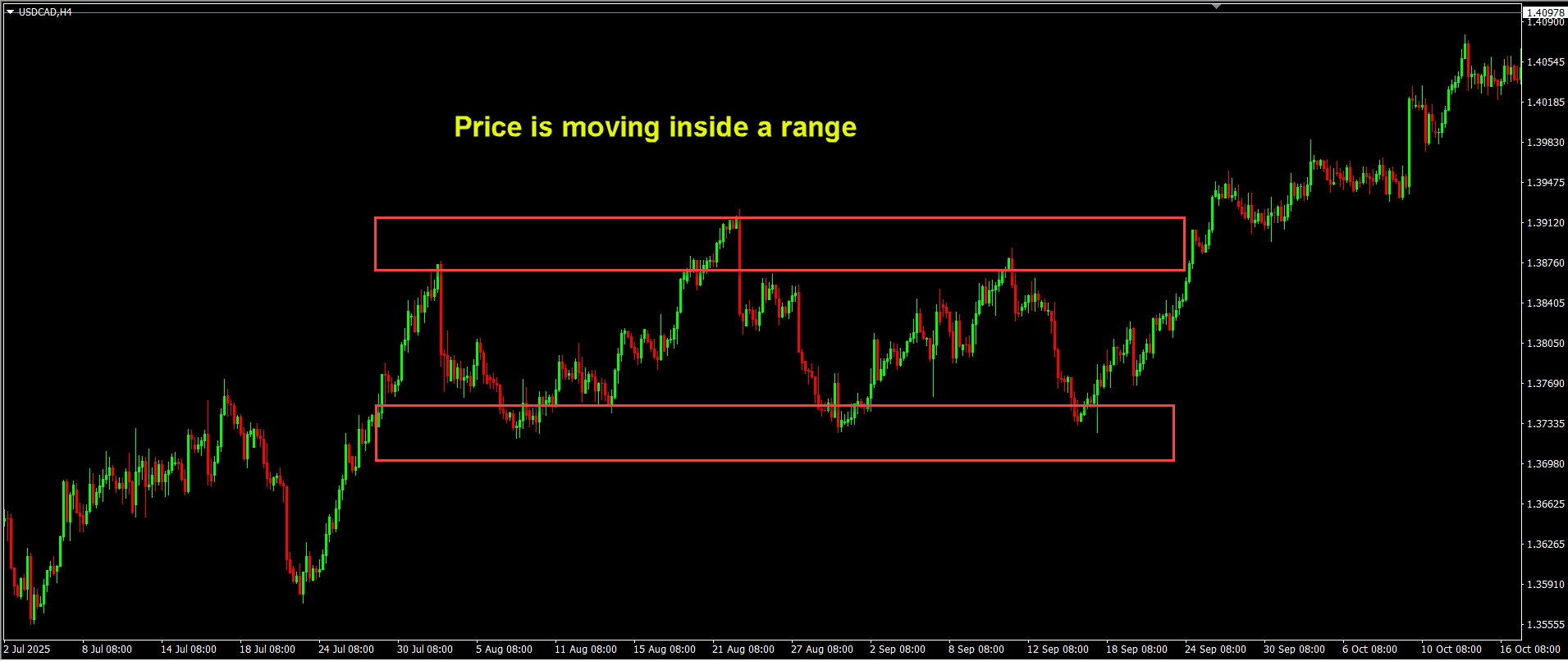
- Identify the structure: range, triangle, channel, support/resistance.
- Mark the level(s): clear zone where price has bounced/touched multiple times.
- Determine the trend context: is the pair in an uptrend, a downtrend or a range?
- Define your risk up-front: know how much you can lose if you’re wrong.
Step B: Breakout Trigger
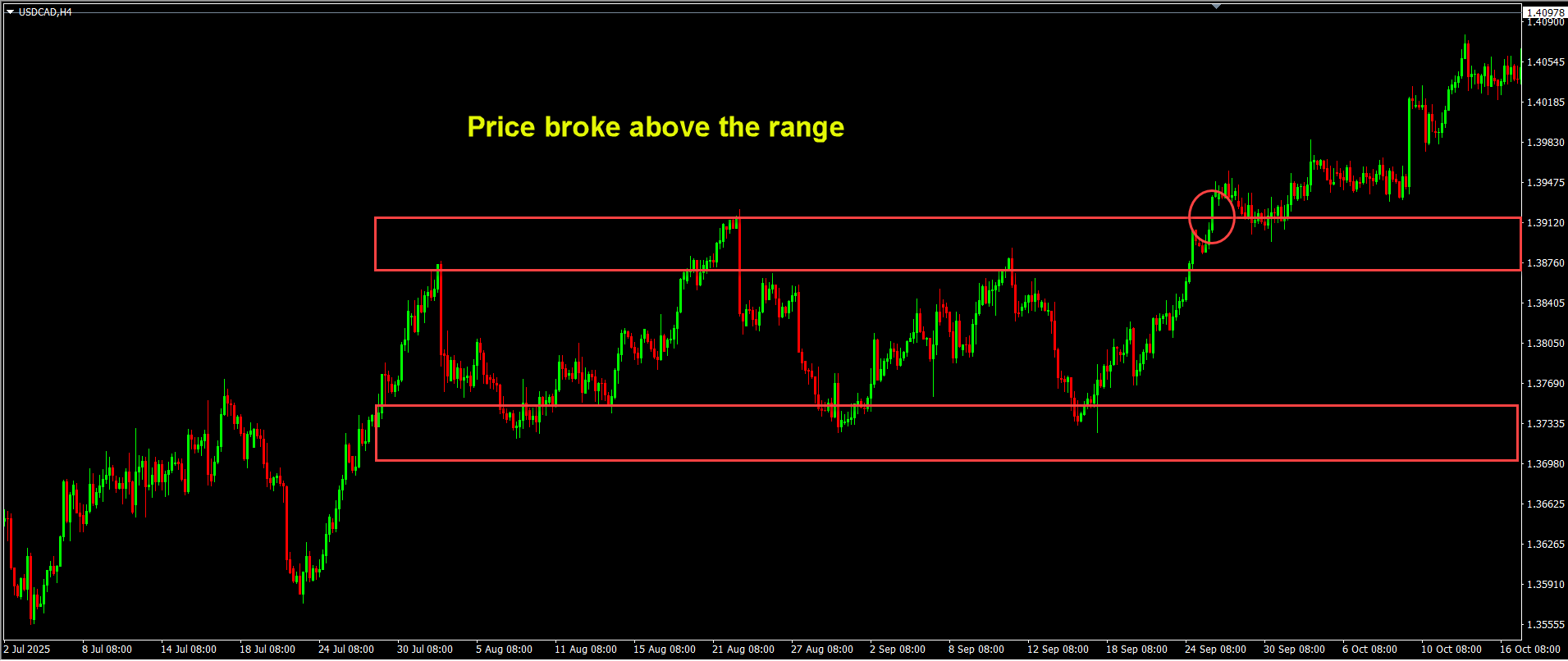
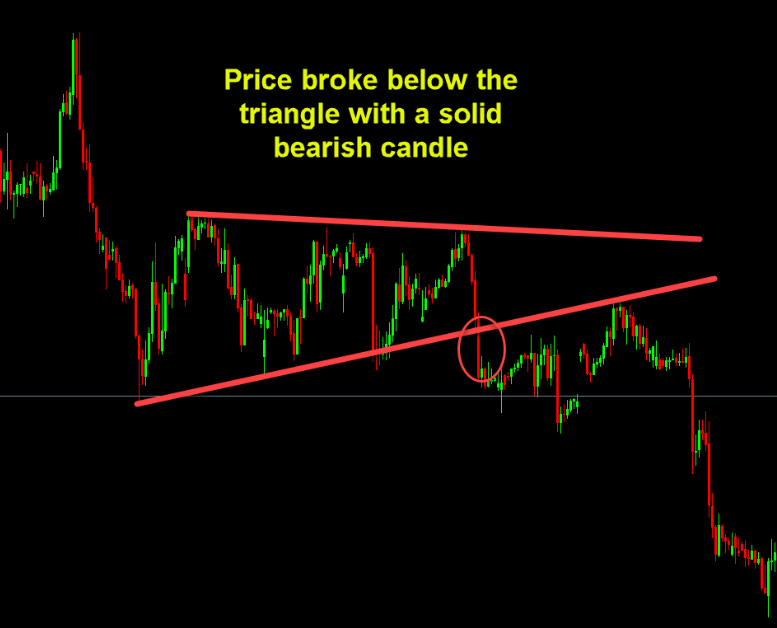
- Wait for a clear break of the level. For example: price closes above a resistance level on your chosen timeframe (e.g., H1 or H4).
- Check momentum / candle size: ideally a strong candle rather than a tiny tick-break.
Step C: Confirmation / Retest
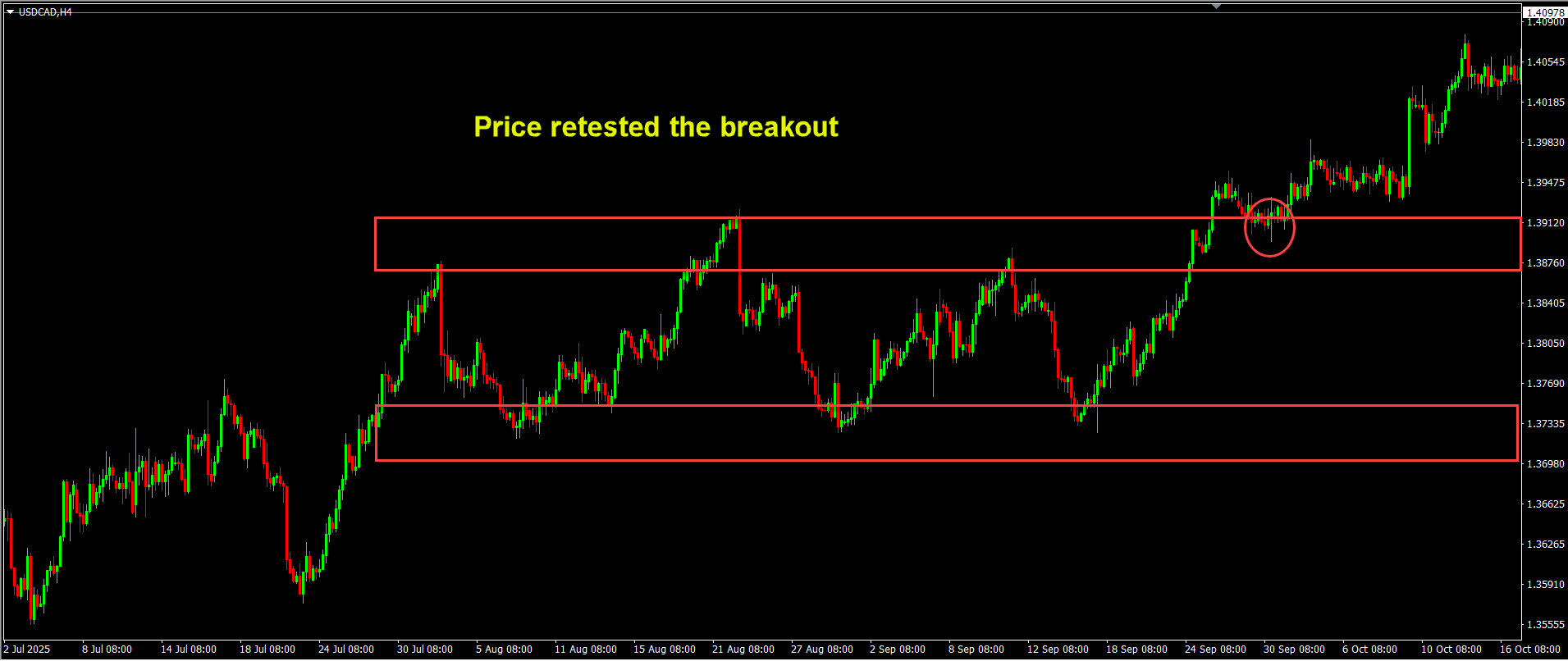
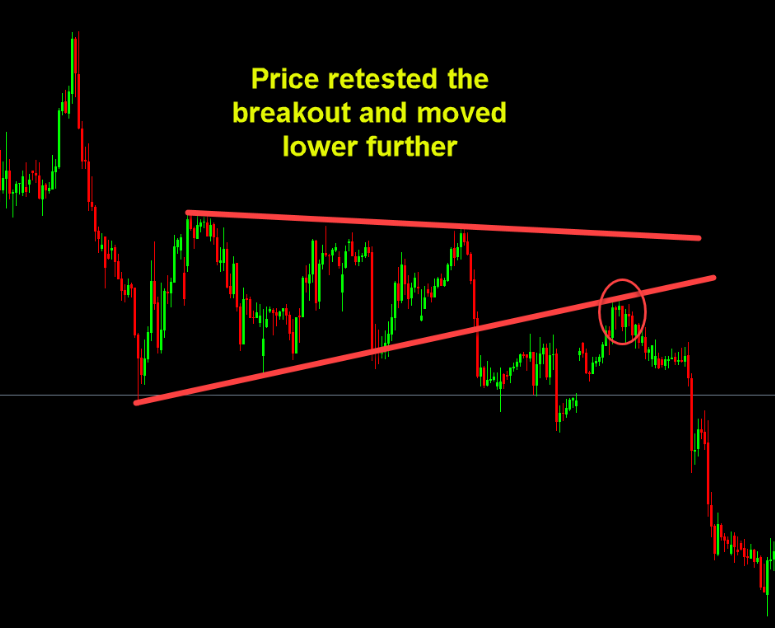
- Many solid breakouts pull back and retest the broken level (old resistance becomes new support, or vice versa). Enter on the retest if comfortable.
- If no retest occurs, you can still enter after the break if the breakout has strong momentum and your risk is defined.
Step D: Entry, Stop, Target
- Entry: either on the break, or on retest + confirmation (e.g., bullish candle after retest).
- Stop-loss: place just beyond the structure (e.g., just under the old resistance / support).
- Target: aim for a realistic reward based on the size of the structure, prior range, or next logical support/resistance zone. Ensure a proper risk: reward (e.g., 1:2 or better).
- Manage: if the move takes off, trail your stop or lock in partial profit.
Step E: Exit Rules
- If price stalls and forms reversal candles/heavy rejection, consider exiting even if the target does not hit.
- If price moves strongly and you’re comfortable, you can ride the move until the next structural level or your trailing rule says so.
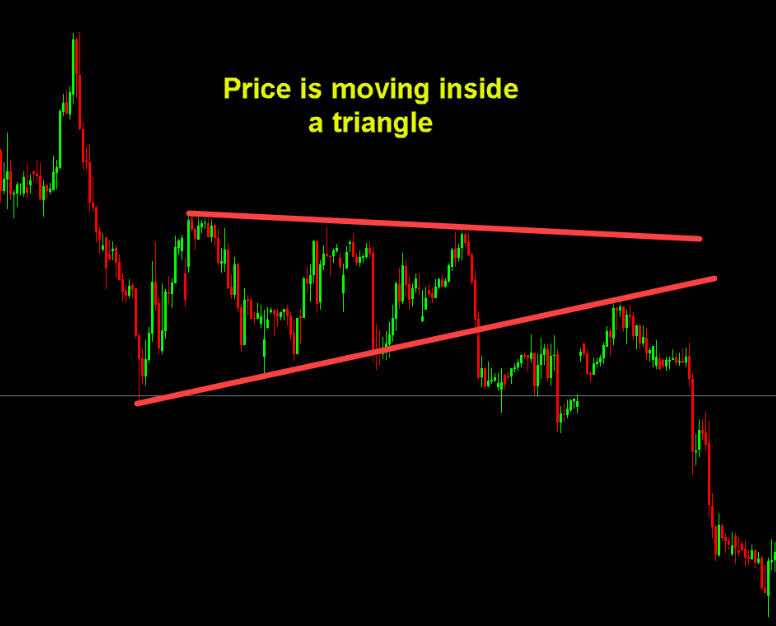
Here is a bearish scenario
6. How to Trade (Avoid) Fakeouts
Since fakeouts are the “evil twin” of breakouts, how to protect yourself:
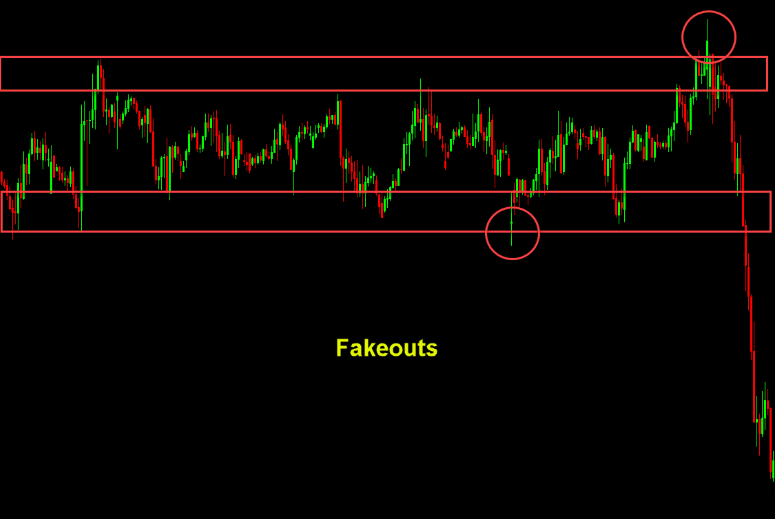 Checklist for fakeout defence:
- If the breakout is in a low-volume period (e.g., late session, holidays) → be skeptical.
- If there’s no clear retest of the broken level and the price immediately reverses → high risk.
- If a breakout is contrary to the main trend, ask: Is this a reversal breakout or just a fake reversal?
- If your stop-loss is large compared to your potential reward (bad risk/reward) → avoid or reduce the size.
- Use confirmation rules: e.g., wait for another candle after the break to confirm momentum before taking full size.
- Optionally, trade a smaller size for breakouts you’re not fully confident about.
Special note: Sometimes fakeouts offer trade opportunities
after the fake. For example: price breaks up, traps bulls, reverses down. If you spot the trap and identify the reversal, you may take the opposite trade (but this requires skill and strict risk control).
7. Common Pitfalls (And How to Avoid Them)
- Pitfall 1: Chasing every break. Many traders see any break as “jump in now”. Instead, be selective: context matters.
- Pitfall 2: Ignoring momentum. A weak breakout candle is often the prelude to a fakeout.
- Pitfall 3: Poor stop placement. If your stop is too wide because you over-estimated the breakout, risk becomes unmanageable.
- Pitfall 4: No plan for retest. Entering without a plan or assuming retest will happen. Sometimes it doesn’t, and that’s okay—but enter only if you’ve planned for that.
- Pitfall 5: Neglecting the trend. Trading breakouts against strong trends often leads to failures.
- Pitfall 6: Emotional trading. After several failed breakouts, traders may become biased to expecting breakouts and take poor quality setups.
8. Final Thoughts & Takeaways
- Breakouts can be powerful: catching the start of a new move.
- But fakeouts are common: the market loves to trap eager traders.
- The difference often comes down to context, volume/momentum, confirmation, and risk control.
- Always trade with a plan: structure → trigger → confirmation → risk/reward → trade management.
- Stay humble. As the markets evolve, so will patterns. What worked yesterday may not work tomorrow unless you adapt.
- Remember: trading is not about always being right—it’s about risk control and discipline. A good breakout that works is great; a fakeout caught early or avoided is equally successful.