Introduction
Hey traders — welcome! If you’ve ever felt like something in the market changed, but you couldn’t quite put your finger on why, then this article’s for you. We’re going to explore the concept of
role reversal in Forex: what it is, how it happens, why it matters, and how you can use it in your own trading with clarity and confidence.
Whether you trade weekly charts, swing, or just glance at the markets occasionally, by the end of this piece, you’ll understand this concept like a pro, and be equipped to spot and trade it. Let’s dive in.
What is Role Reversal?
In the simplest terms,
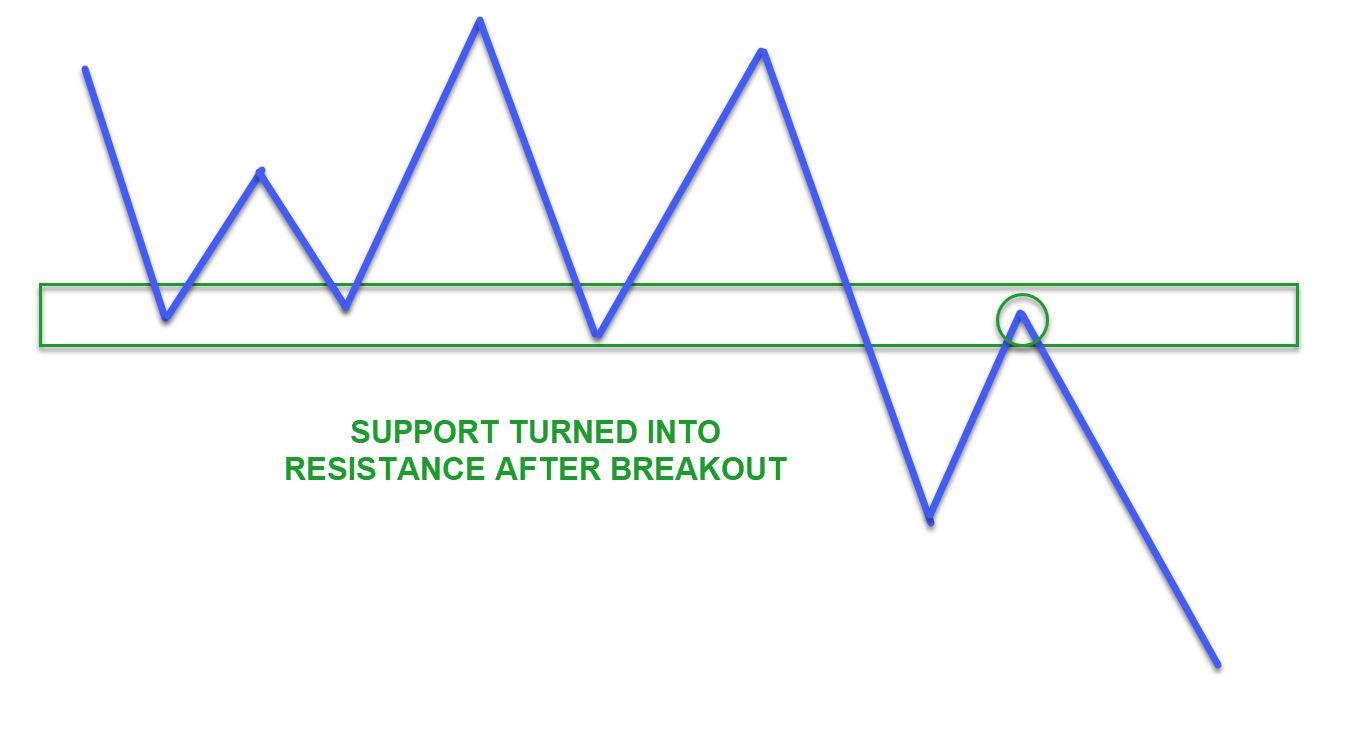
role reversal is when a key price level in the market flips its function: support becomes resistance, or resistance becomes support.
- A support zone is an area where price historically tends to stop falling and bounce upward.
- A resistance zone is where the price tends to stop rising and reverse downward. When one of those zones is broken decisively, and the price reacts on the other side of the level, the role can reverse.
Imagine a highway where a lane that used to carry traffic in one direction suddenly becomes a lane for the opposite direction — same road, different role. That’s kind of what happens in price action.
Why this happens: because market psychology changes. What was once accepted as “buyers stepping in” (at support) becomes “buyers failed,” and then the same level becomes a zone where sellers dominate (resistance). The flip reflects that shift.
Why you should care
- Role reversal provides high-probability zones for entries: if a support fails and flips to resistance, you have confirmation that the previous bias changed.
- It helps you manage risk: the level is well defined, so you can place stop-losses closer and know where invalidation lies.
- It sharpens your mindset: you’re watching for structural change, not just reacting to indicator signals.
How Role Reversal Happens: ( Support → Resistance)
Let’s walk through a typical process step-by-step, in friendly language:
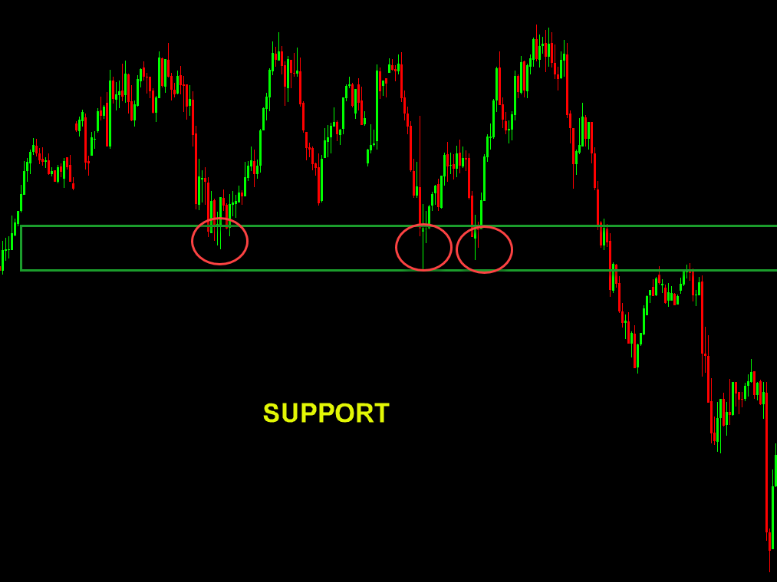
1. The original zone forms
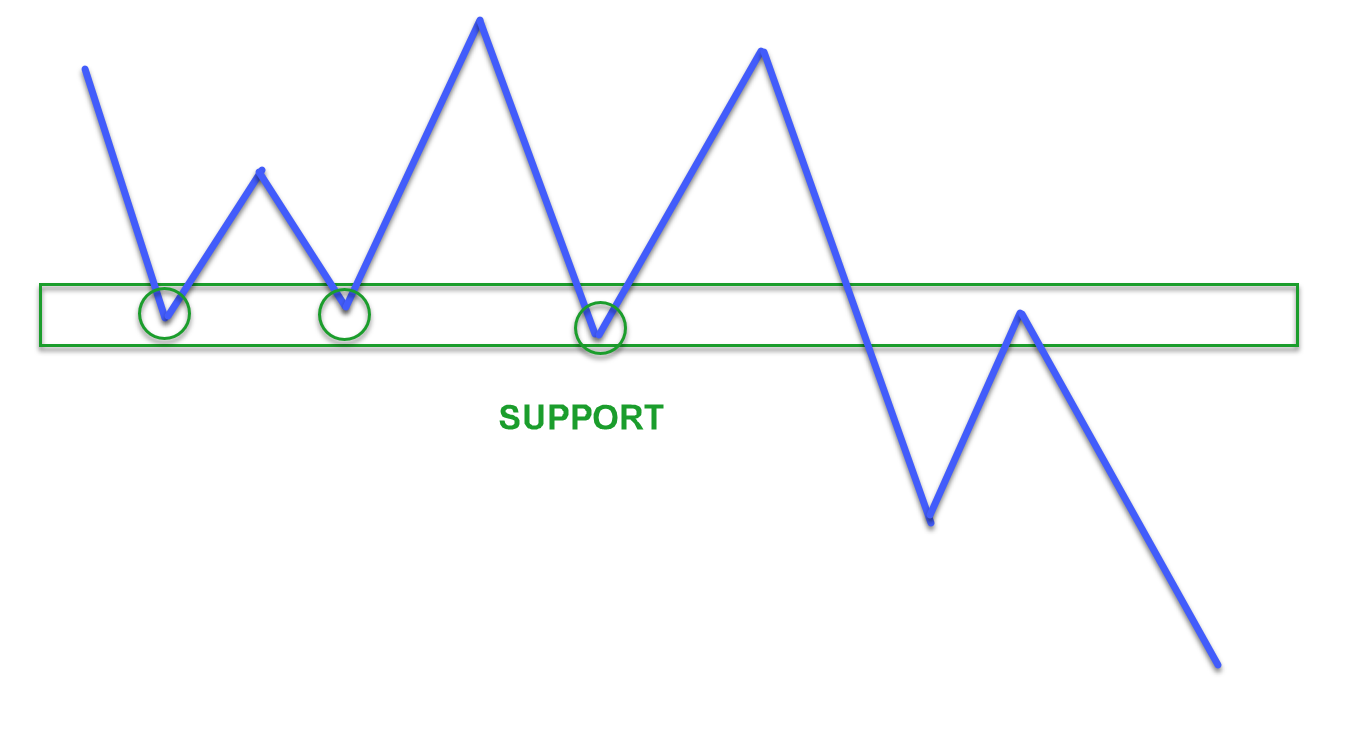
You have a price level where market participants have repeatedly reacted — say, price falls reaches this level and bounces up each time. That zone becomes a support.
2. Tension builds
Price tests that zone multiple times. Each bounce makes sense — buyers defend the area. But eventually, sellers might gain strength: more tests, weaker bounces, increasing selling pressure.
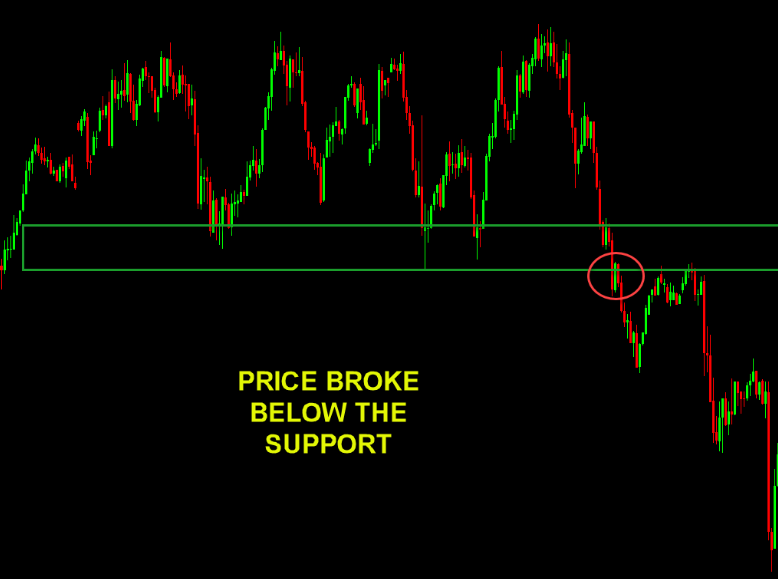
3. The break of the zone
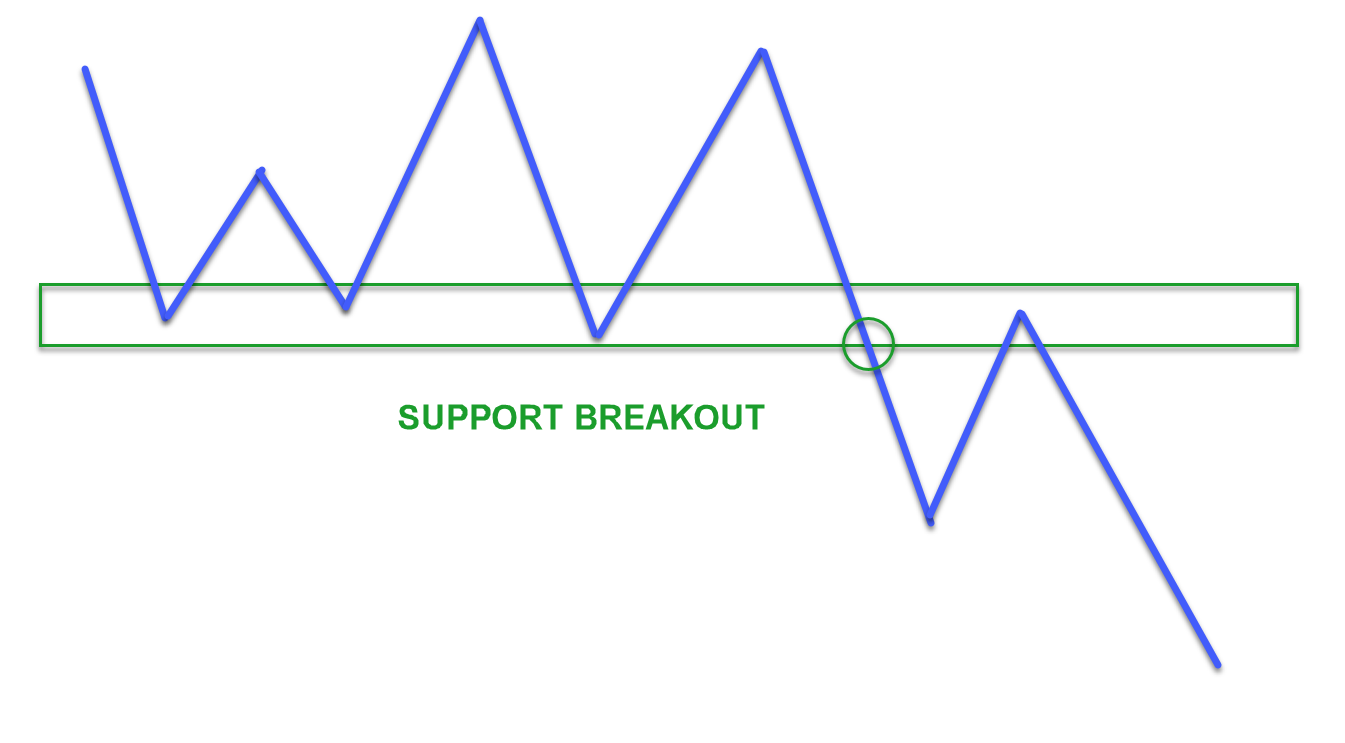
Price drops through and breaks below this zone. The zone is no longer defended. Buyers gave up the fight.
4. The retest / flip
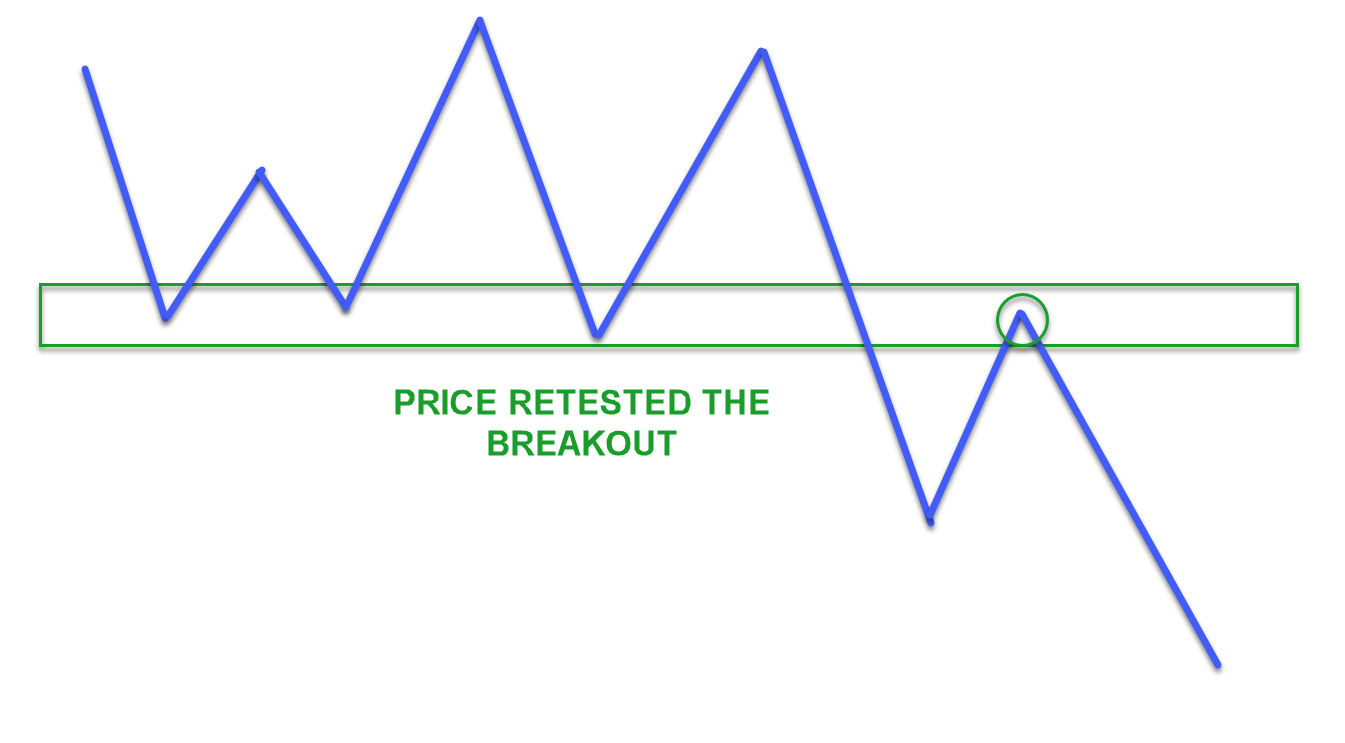
After the break, the price often comes back up. Now, that level, which was previously found support, acts as a barrier — price fails to break back above cleanly, bounces down again. The level has flipped: support has become resistance.
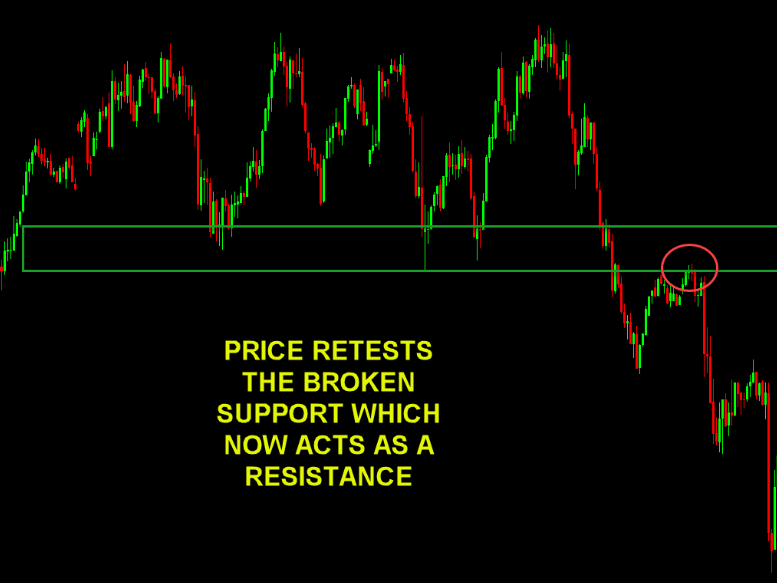
5. New bias confirmed
Once the retest and reaction occur, market participants accept the new role. Traders who recognize the flip can trade with the new bias (for example, shorting at the flipped resistance now that support has failed).

How Role Reversal Happens (Resistance → Support)
Let’s walk through the reverse scenario — when a
resistance level turns into a support level. Same logic, just flipped upside-down.
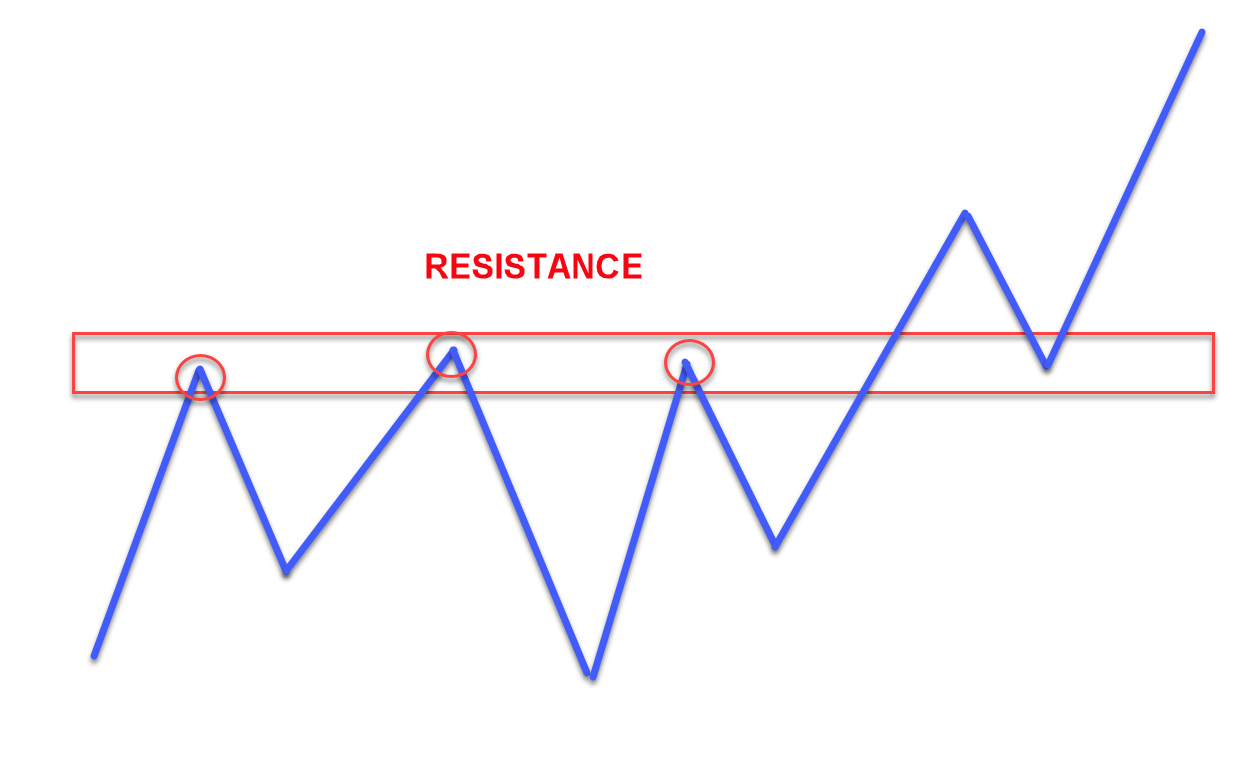
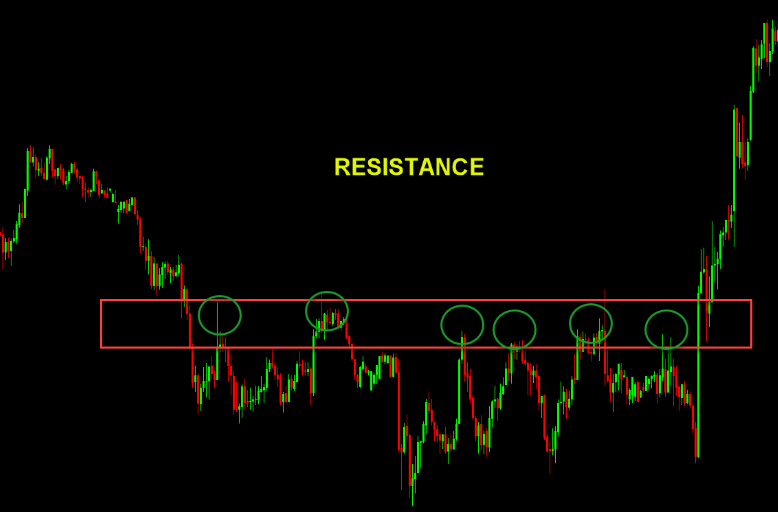
1. The original resistance forms
Price reaches a level multiple times and gets rejected each time. This tells us sellers are active there — a classic resistance zone.
Think of it as a “ceiling” price cannot break above.
2. Pressure builds
Each time price retests that resistance:
- Sellers push it back down
- Buyers slowly gain strength
- Rejections get weaker
- Momentum begins leaning upward
This shows a
shift in power. Buyers are willing to buy more and push higher, tightening the range.
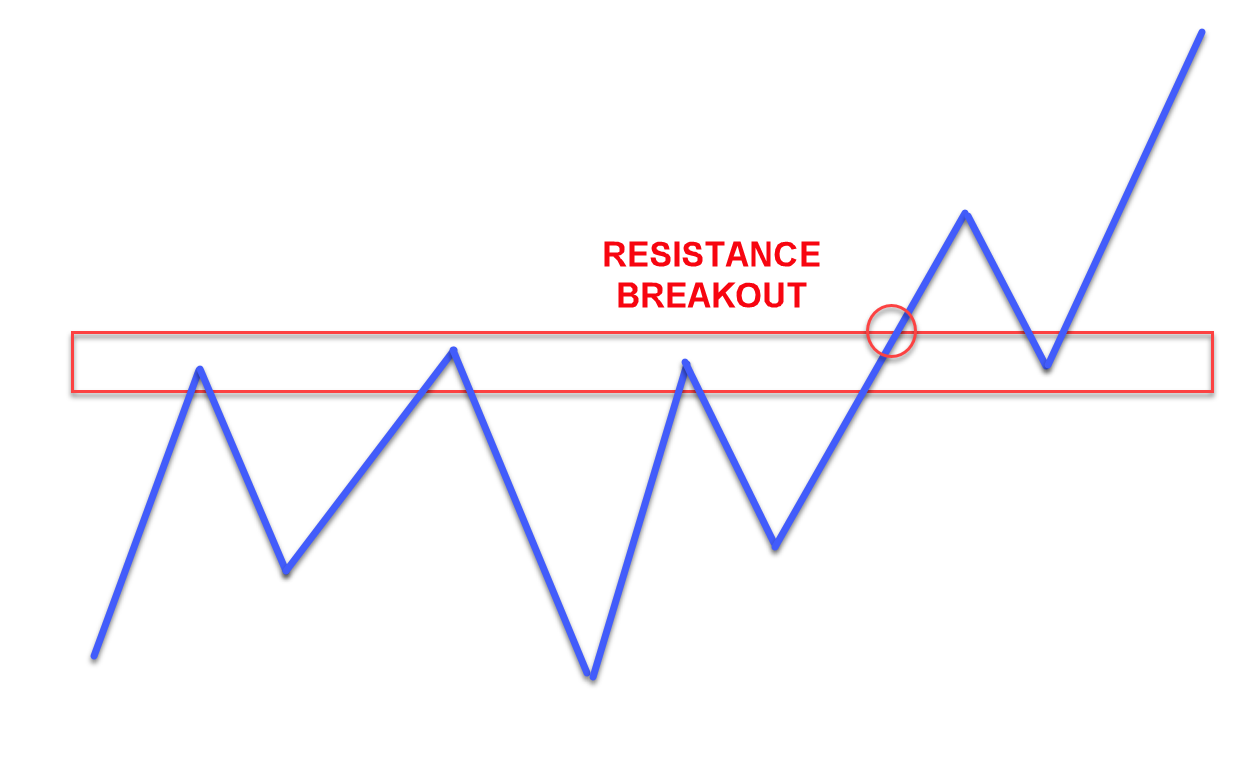
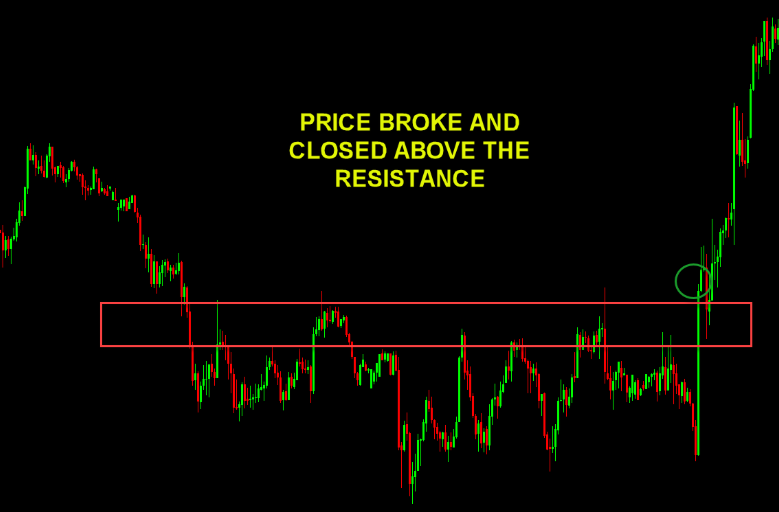
3. The breakout happens
Eventually, buying pressure becomes strong enough that the price
breaks above the resistance.
But a break alone is not enough — we want to see the price
close above the level (on your chosen timeframe). This close indicates that the level is no longer defended by sellers.
Resistance is now broken.
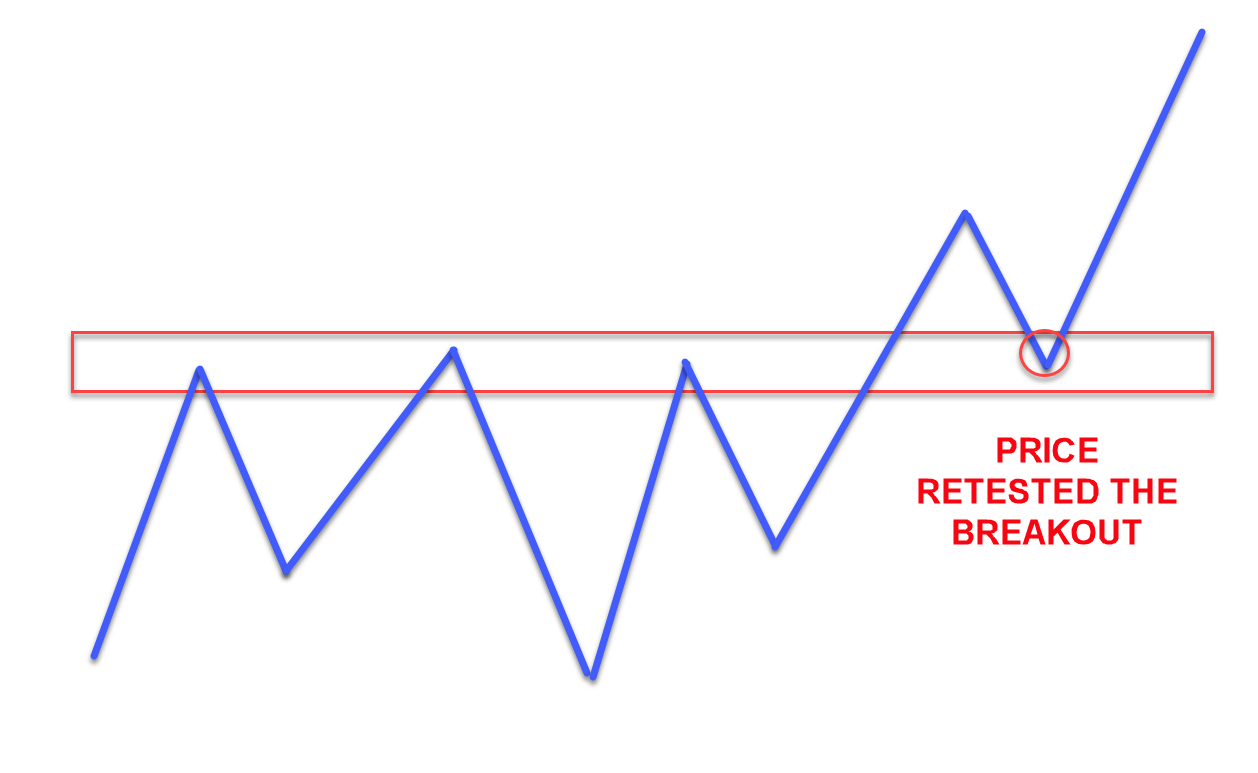
4. The retest (the flip)
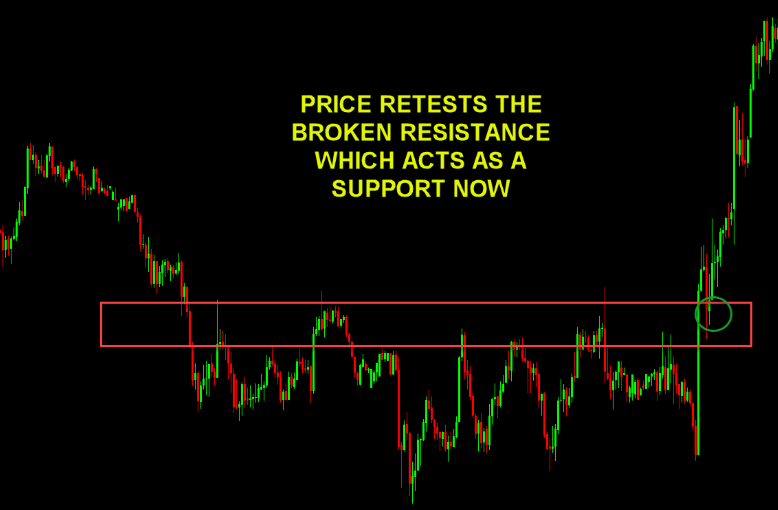
After breaking above, price often comes back
down to the previous resistance.
Now pay attention:
- This resistance should now act as a support
- Price dips into the level but fails to break below it
- Buyers step back in and push the price upward again
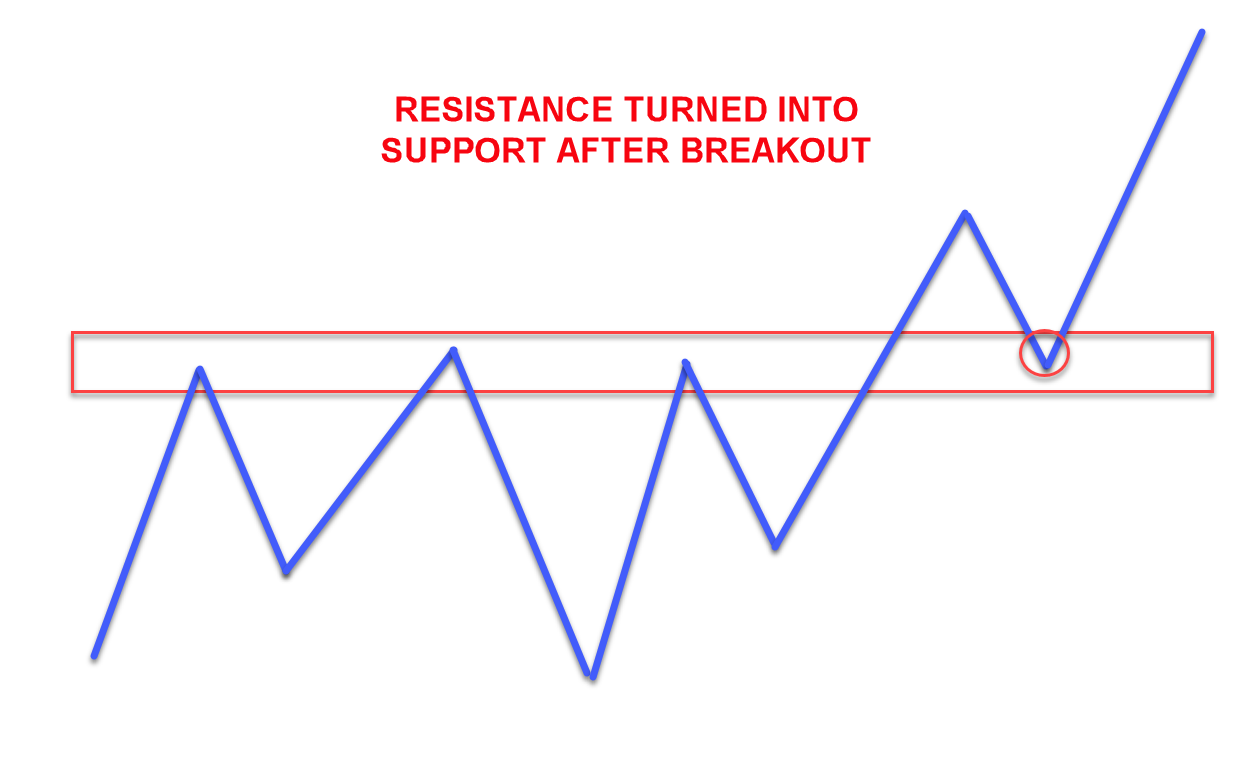
This is the moment when the “ceiling becomes the floor.”
It’s the key confirmation of
resistance turning into support.
5. New bullish bias confirmed
Once price reacts upward from the retest, traders accept the new role:
- Old resistance → new support
- Bias shifts from neutral/bearish → bullish
- Traders who recognize the flip look for buy setups at the retested support
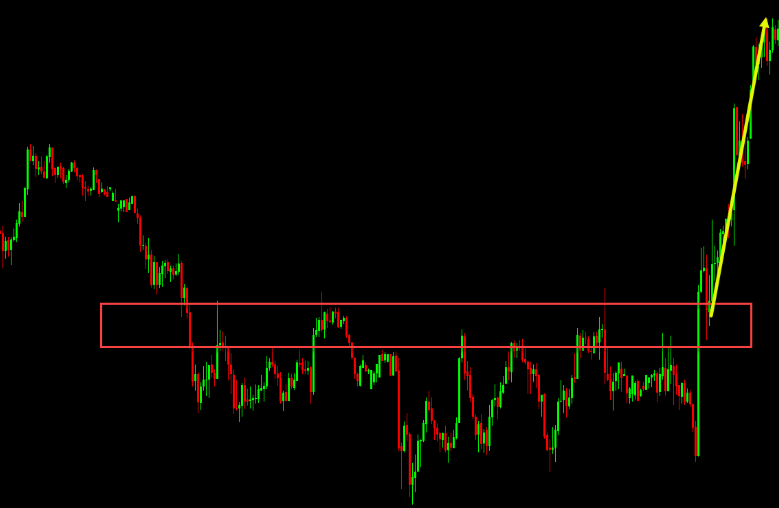
This is one of the cleanest, most reliable setups in price action because it reflects real market psychology
- Sellers failed
- Buyers took control
- The market validated the new level
5 Key “Checkpoints” for Reliable Role Reversal Trades
Let’s walk through the practical checklist you should apply before taking a role-reversal trade:
- Clear level – The level must be visible, tested multiple times, and meaningful. Don’t take weak, one-touch levels.
- Decisive break – A clean close beyond the level on your timeframe increases reliability.
- Retest the level – Price comes back to the level and reacts (fails to cross back, or honor the new role).
- Reaction confirms the flip – A strong momentum away from the level after retest gives you the trade trigger.
- Risk management in place – Define your stop loss (above or below the level), set your target (previous swing, measured move, etc.). Enter only when the flip is clear.
3 Common Mistakes & Pitfalls to Avoid
Because nothing is fool-proof, here are mistakes many traders make when approaching role reversal:
Mistake 1: Assuming the flip too early
Breaking the zone isn’t enough — you still need that retest/reaction. Entering immediately after the break without confirmation sometimes results in whipsaws.
Mistake 2: Ignoring context
If the break comes but the broader trend still strongly supports the old bias, the flip might fail. Always look at higher timeframes for trend context.
Mistake 3: Poor risk-reward
Just because a role reversed doesn’t mean risk is low. If your stop is large and target is small, even a “good” flip trade might lose over time. Always maintain a good reward for risk.
How to Incorporate into Your Trading Plan
- Mark major support/resistance zones ahead of time.
- Monitor those zones for breaks.
- Once a break occurs, schedule an alert for retest.
- Only take the trade when the trade structure confirms: break → retest → reaction.
- Log each trade: did the flip really hold? If not, note why.
- Over time you’ll build a “flip levels” map in your brain and on your charts.
Final Thoughts
Role reversal is one of those simple-but-powerful tools; it’s not like fancy indicators, but it’s rooted in clear market structure and psychology. If you adopt it into your trading, you’ll start seeing levels differently: not just as static lines, but as dynamic battlefields where roles change — and those changes mark opportunity.
Remember: support becoming resistance (or vice-versa) is a
signal of bias change. Look for the break, wait for the retest, take action with a proper stop and target. You’re doing the work of understanding the market’s story — and when you follow the story, you trade with the flow instead of against it.