
Strategy Components & Rules
Many Forex traders believe they are trading with a strategy.
But when you examine their process closely, you often find something very different:
- A couple of indicators on a chart
- Some loosely defined ideas
- And expectations driven more by hope than structure
A genuine trading strategy is not a hunch, an instinct, or a chart pattern taken in isolation. It is a predefined system that guides your actions before pressure, fear, or greed step in.
In this article, we will clearly explore:
✔ What actually defines a Forex trading strategy ✔ The key building blocks every strategy must include ✔ How rules reduce emotional decision-making ✔ Why clarity outperforms complexity ✔ How to convert trading ideas into a structured plan
Let’s keep this practical and easy to follow.
1. How to Think About a Forex Trading Strategy
A Forex strategy is not a single setup or indicator combination.
At its core, it is a decision framework that removes guesswork.
A complete strategy should clearly answer these questions:
- Under what conditions do I consider trading?
- Which direction am I allowed to trade?
- What confirms a valid entry?
- At what point is the trade idea invalid?
- How will the trade be managed after entry?
If any of these answers are vague or missing, the strategy is unfinished.

2. Why Defining Strategy Components Is Essential
When a strategy lacks structure:
- Decisions are driven by emotions
- Rules are changed mid-trade
- Trading becomes reactive
- Losses are blamed on the market
Clear components introduce order.
Order leads to repeatability.
Repeatability is what allows you to review performance and make meaningful improvements over time.
3. Component One — Market Focus
Before analyzing entries, you must decide:
- Which currency pairs will you trade
- Which trading sessions work for you
- How much time can you dedicate to your trades
Narrowing your focus allows you to recognize patterns and behaviour more accurately.
📌 A trader who tries to trade everything never truly understands anything.
4. Component Two — Timeframe Structure
Every strategy must clearly define:
- Which timeframe is used for analysis
- Which timeframe is used for execution (if different)
This prevents constant chart-hopping once a trade is active.
A common structure includes:
- A higher timeframe for direction and context
- A lower timeframe for precise execution
Consistency in timeframe usage matters more than the specific timeframe chosen.
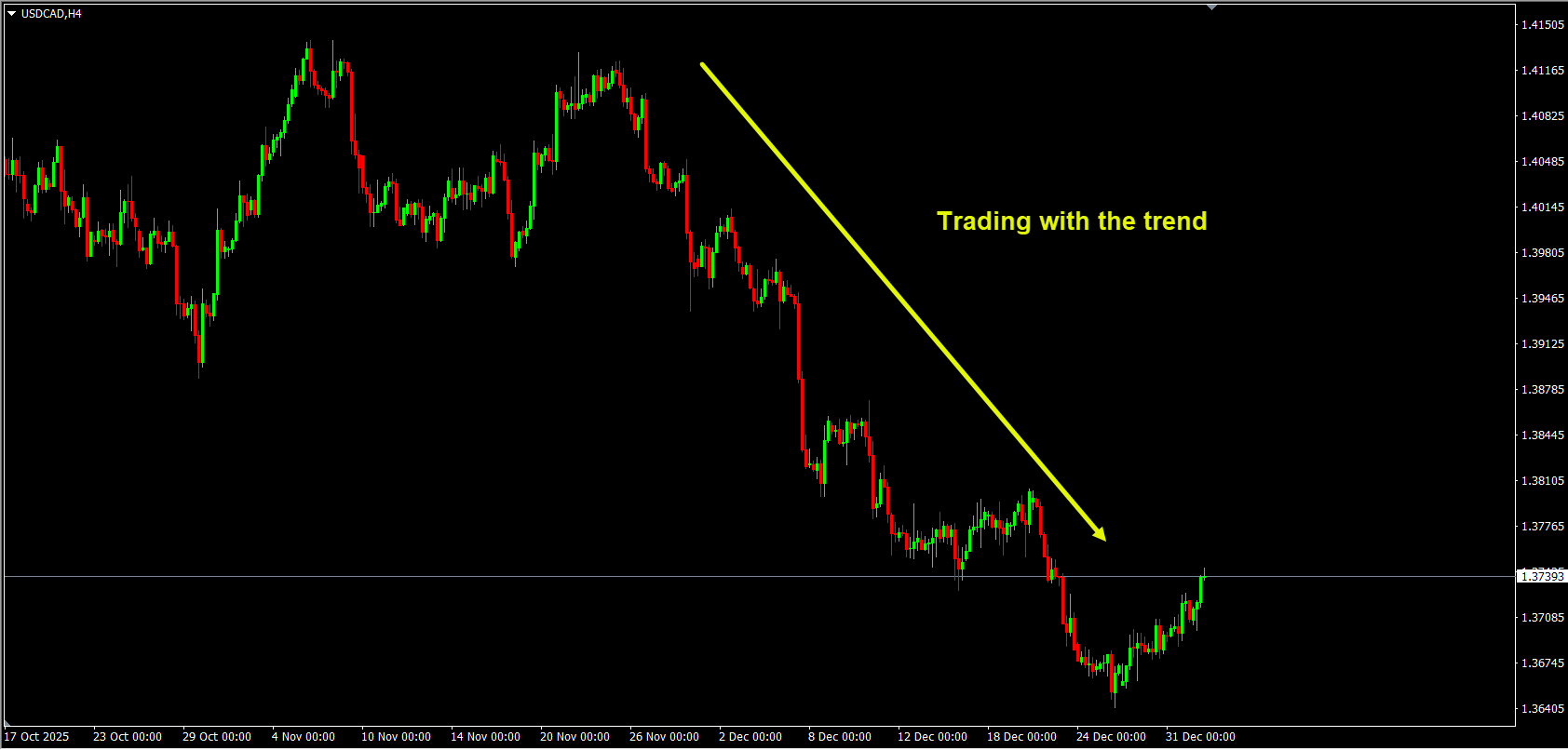
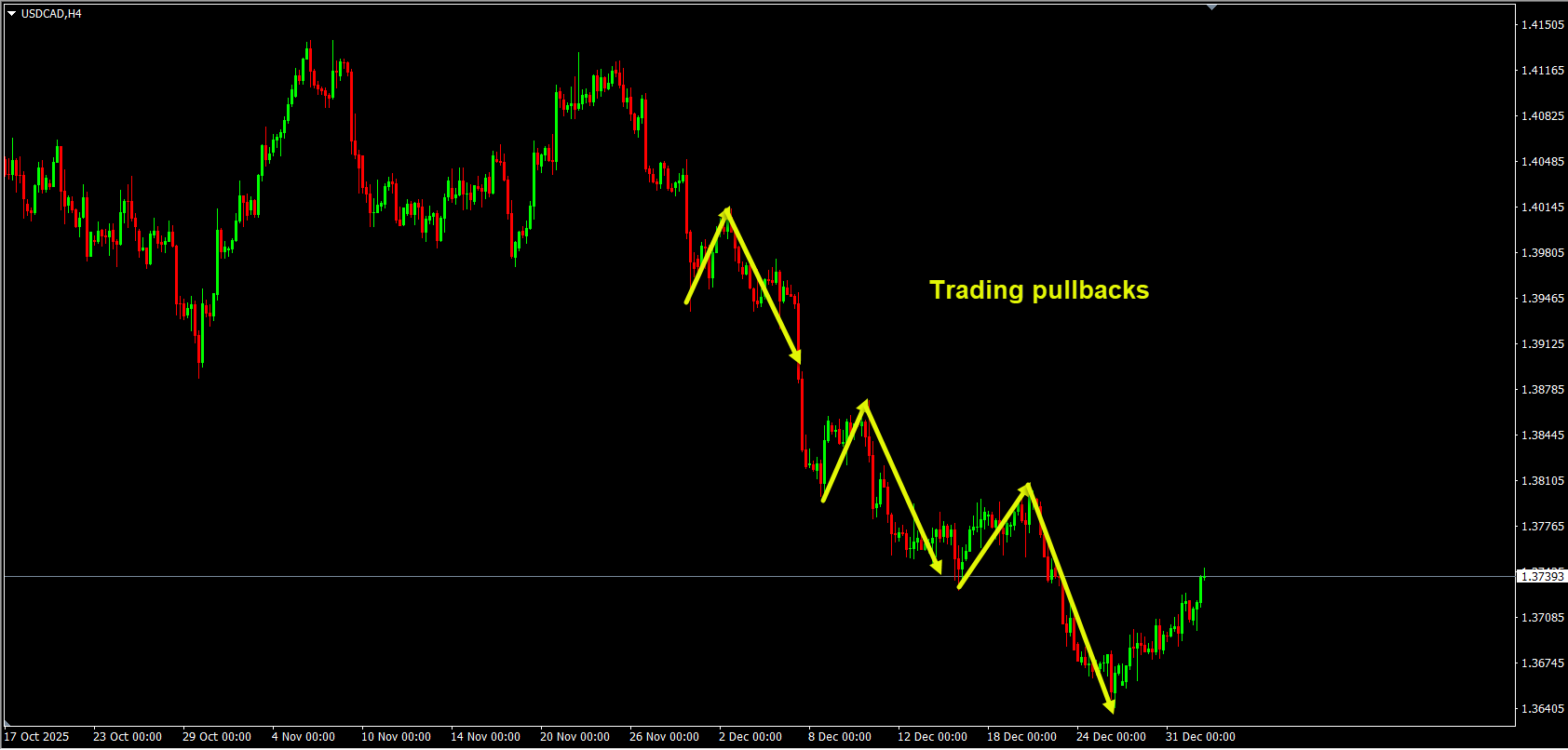
5. Component Three — Market Condition/Phase Filter
Markets shift between different environments.
Your strategy should state clearly:
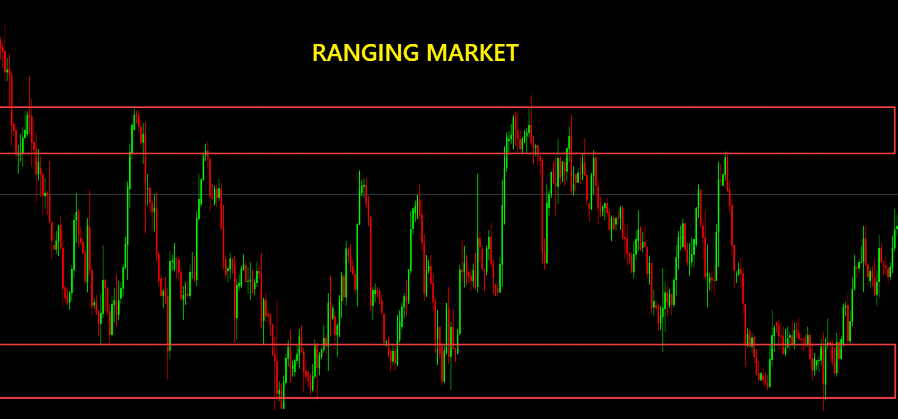
- Which conditions (market phase) do you trade (trend, range, pullback, etc.) Trend
 Pullback
  Range
Range 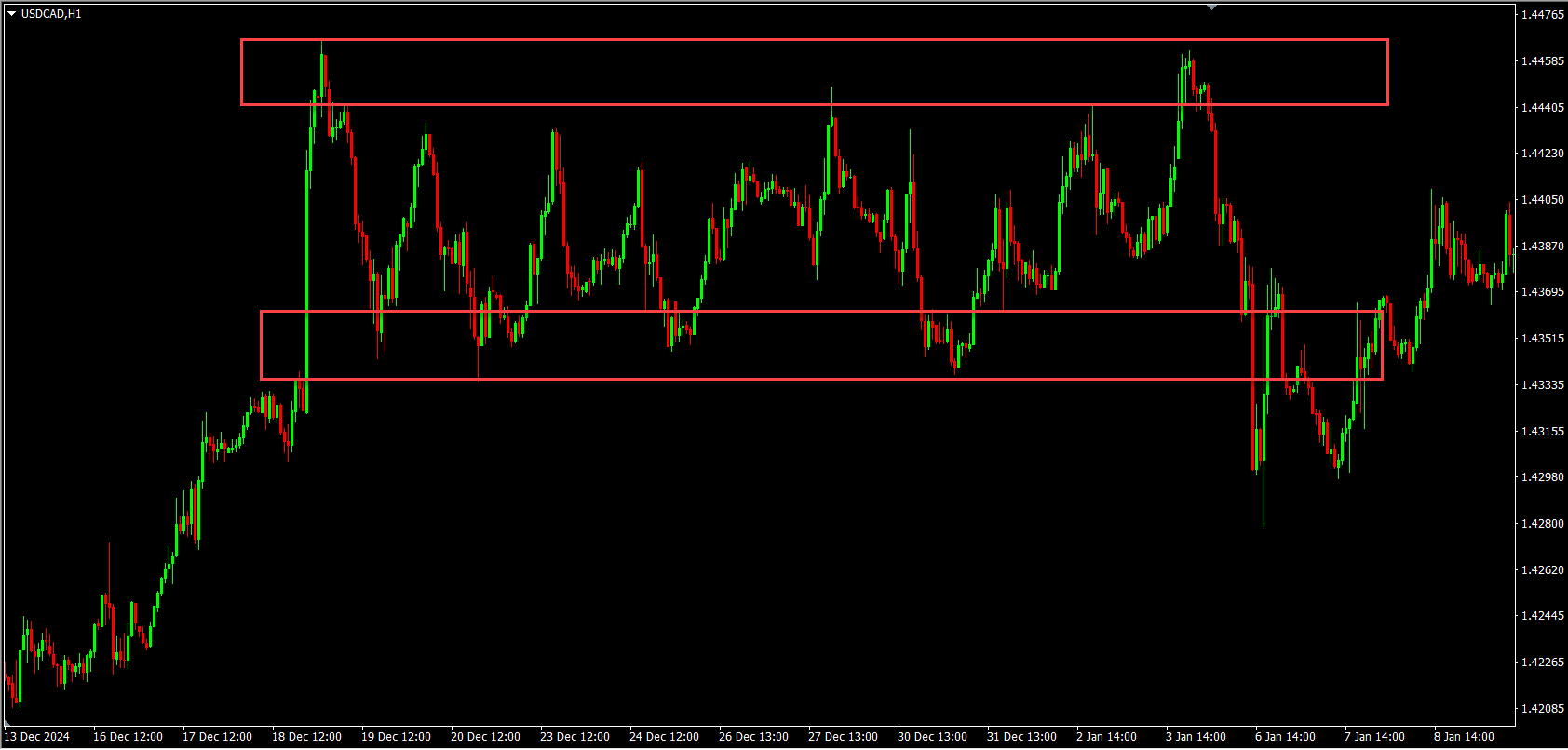
This prevents forcing trades during unsuitable phases.
📌 Waiting is a strategic decision, not inactivity.
6. Component Four — Entry Criteria
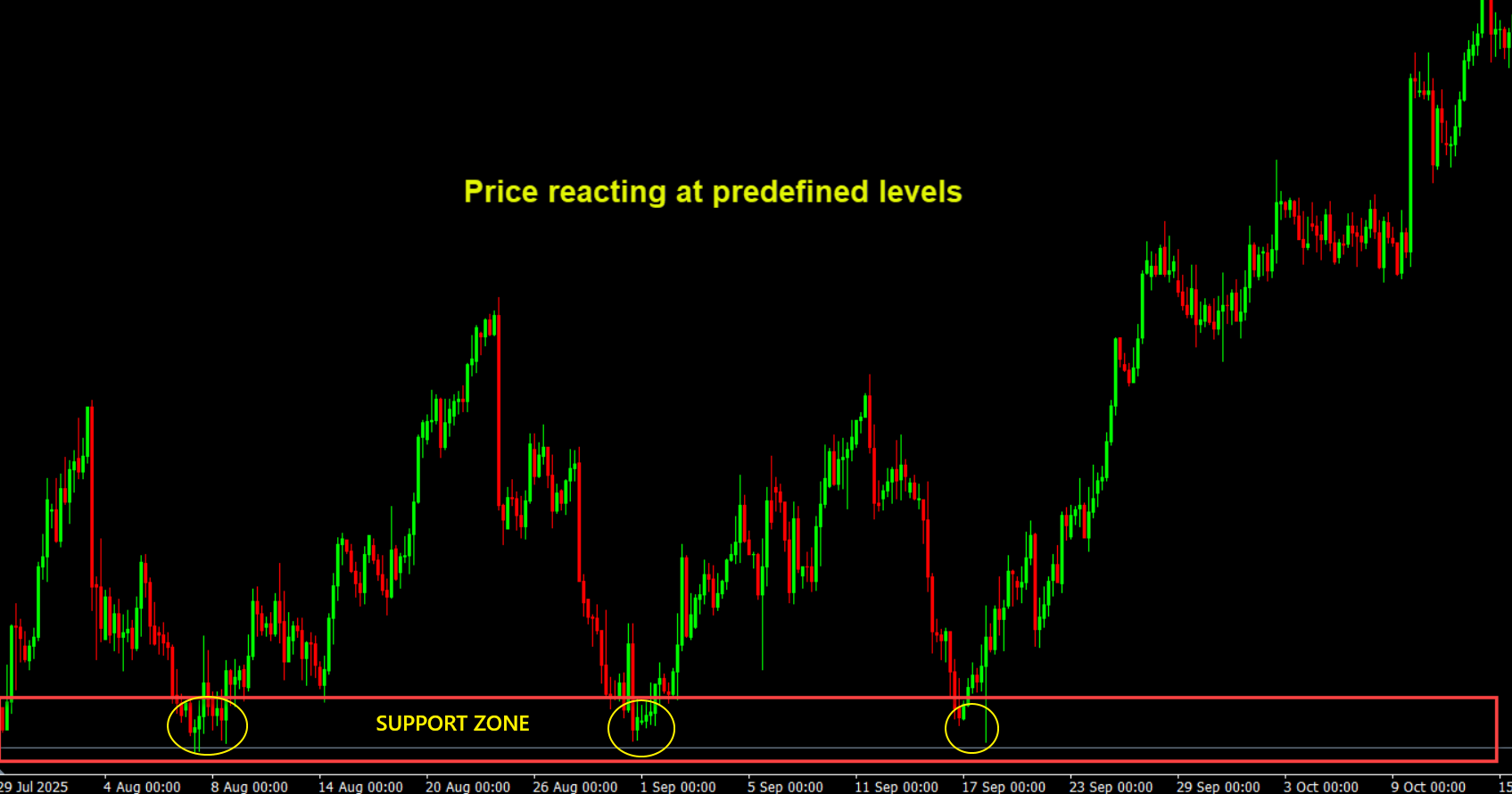
Entry rules define the exact requirements that must be met before placing a trade.
Effective entry rules are:
✔ Clear and objective ✔ Repeatable across markets ✔ Easy to validate
Examples include:
-
Price reacting at predefined levels
-
Market structure forming in a specific way (trend / range / pullbacks)
-
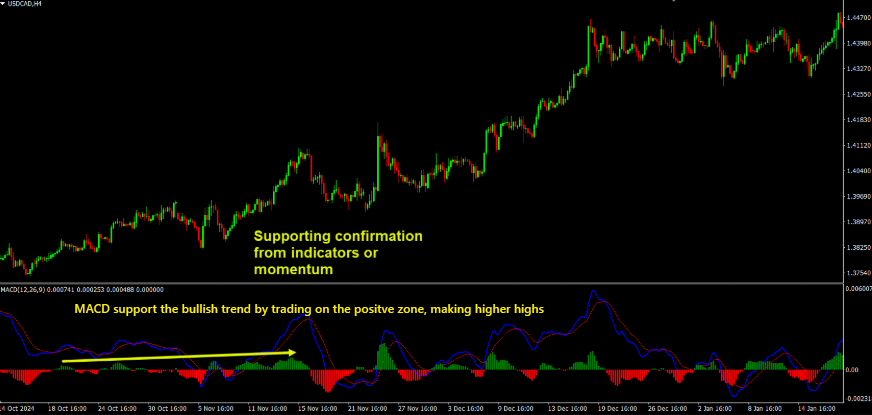
Supporting confirmation from indicators or momentum
If entries depend on intuition alone, consistency will break under pressure.
7. Component Five — Invalidation & Stop Placement
Every trade must have a clearly defined failure point.
This includes:
- Where the idea no longer makes sense
- What level invalidates the trade and you should cut out
Stops should be based on:
- Market structure
- Logical price zones
- Volatility considerations
Remember – A stop-loss exists to protect capital — not to punish mistakes.
8. Component Six — Profit-Taking Framework
A complete strategy must contain:
- Clean execution rules
- Clear entry plan
- Clean exit plan (Invalidation/protection/targets)
Profit exits may include:
- Fixed price objectives
- Structure-based targets
- Partial exits combined with trailing stops
Inconsistent exits weaken a strategy just as much as inconsistent entries.
9. Component Seven — Risk Control Rules
Risk management is a core pillar, not an add-on.
A solid strategy must include:
- Maximum risk per trade
- Maximum daily or weekly loss limits
- Position sizing rules
These safeguards ensure that individual trades cannot cause long-term damage — financially or psychologically.
10. Component Eight — Trade Management Guidelines
Once a trade is active, rules must address:
- Whether stops are adjusted (for example, trailing stop loss)
- When risk is reduced
- How partial exits are handled
Without management rules, emotions often take over after entry — which is where many losses are magnified.
11. Component Nine — When Not to Trade
A mature strategy also defines no-trade conditions, such as:
- Major economic announcements
- Thin liquidity periods
- Unclear or conflicting market structure
Discipline is often revealed more by trades avoided than by trades taken.
12. Why Rules Exist in the First Place
Rules are necessary because, without rules, here is what will happen:
- Fear will appear and lead you to make mistakes
- Greed will appear and will prevent you from controlling your money management properly
- The urge to interfere will appear and will lead you to make wrong trading decisions
Rules create a buffer between emotion and action.
Without rules, trading becomes emotional behavior disguised as analysis.

13. Keep Rules Clear and Executable
If a rule:
- Is open to constant interpretation
- Changes depending on mood
- Cannot be written in simple language
…it is not a functional rule.
Clarity allows execution even under stress.
14. Turning Concepts Into a Working Strategy
Begin with one core market idea.
Then define:
- Market conditions
- Entry logic
- Exit logic
- Risk limits
- Trade management
Write everything down.
If it isn’t documented, it cannot be followed consistently.
15. Final Perspective
A Forex strategy is not about sophistication.
It is about discipline, structure, and repetition.
Markets reward traders who: ✔ Respect rules ✔ Control risk ✔ Think in probabilities
The objective is not perfect accuracy — it is long-term survival with an edge.
Key Insight
A strategy succeeds not because it forecasts price, but because it regulates the trader’s behavior.
Build your approach around structure and rules, and allow the market to unfold naturally.