If you’ve ever opened a Forex chart and wondered which timeframe to focus on — 1-minute, 15-minute, 4-hour, daily, weekly — you’re not alone.
Most traders struggle with this question early in their journey.
Timeframes are more than just a number on your chart. They shape
how you perceive the market ,
what signals you trade , and
the kind of trader you become .
In this article, we’ll break down:
✔ What timeframes are ✔ Why they matter ✔ How they change your trading decisions ✔ How to choose timeframes that work for you ✔ Common mistakes traders make — and how to avoid them
Let’s dive in. 🚀
🕒 1. What Does “Timeframe” Mean in Forex?
When you look at a Forex chart, each candle represents price action for a specific period — that’s your timeframe.
Here’s how it works:
| Timeframe |
Each Bar/Candle Represents |
| 1-Minute |
1 Minute of price action |
| 5-Minute |
5 Minutes |
| 15-Minute |
15 Minutes |
| 1-Hour |
1 Hour |
| 4-Hour |
4 Hours |
| Daily |
1 Day |
| Weekly |
1 Week |
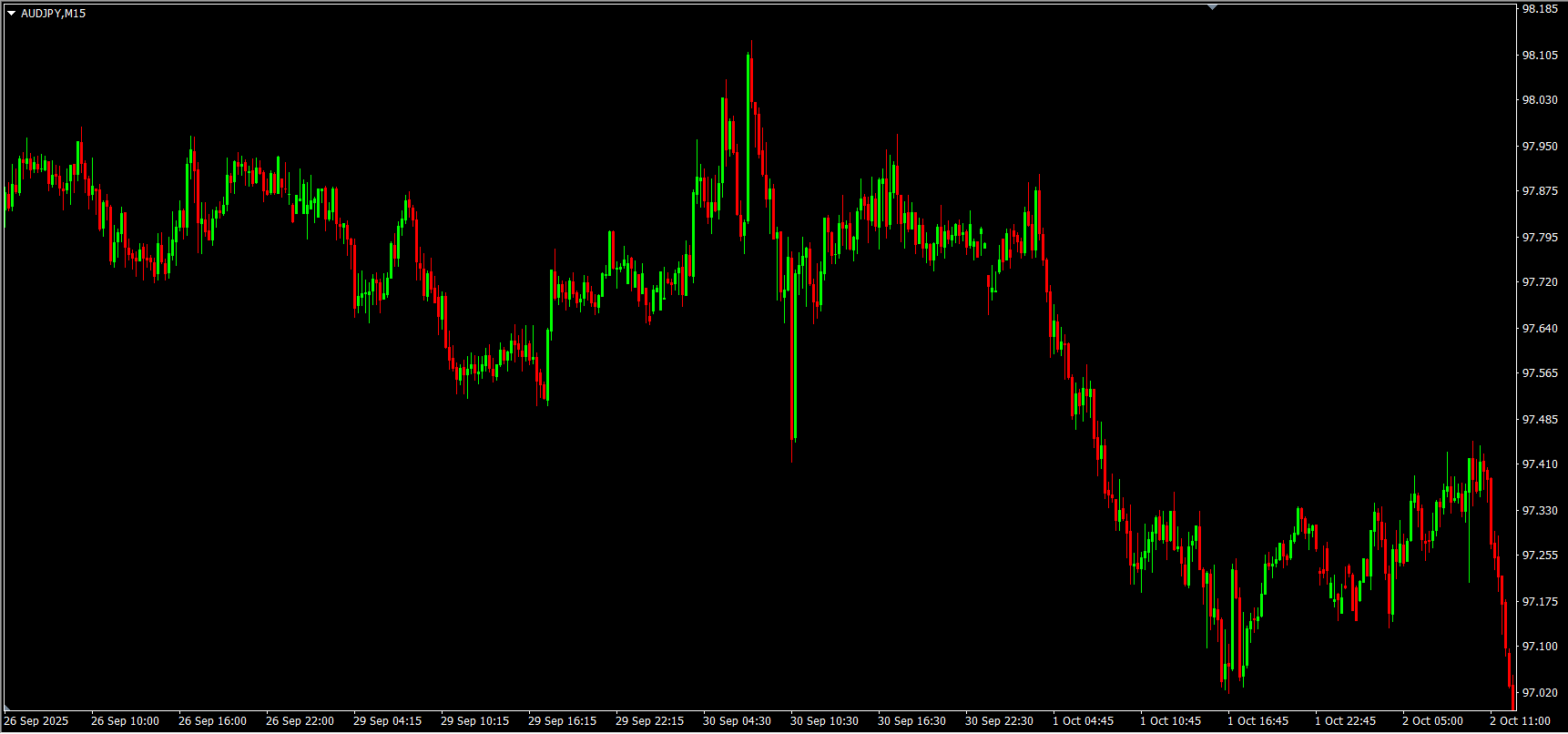
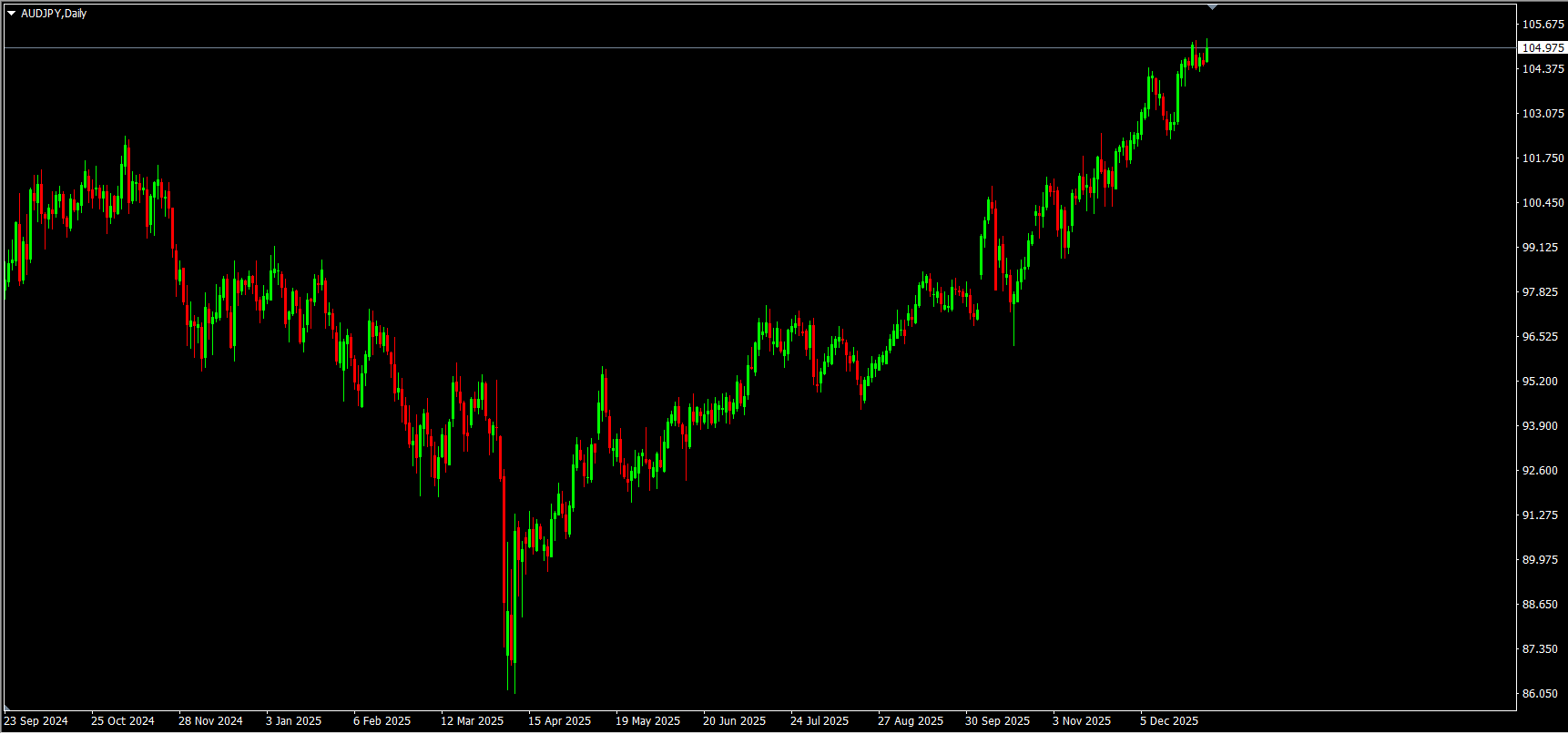
So a
15-minute chart shows what happened in the market in 15-minute blocks. A
daily chart shows what happened in the market over a longer period, while each bar/candle is one day.
Nothing fancy — just a way of “zooming in” or “zooming out” on the market.
🎯 2. Why Timeframes Matter: The Big Picture
Timeframes matter because
they tell different stories about the same market .
Imagine you’re watching the price of EUR/USD:
- On a 1-minute chart, the price looks choppy and unpredictable, noisy it times without a clear direction
- On a 4-hour chart , you might see a clean trend.
- On a daily chart , you could spot major trends and support/resistance levels.
It’s the same price — yet your view and decisions change entirely depending on the timeframe.
This is why understanding timeframes is essential for:
✅ Finding reliable trade setups ✅ Managing risk better ✅ Avoiding unnecessary noise ✅ Building confidence in your decisions

📊 3. Timeframes Define Your Trading Style
Timeframes are directly linked to your
trading style — whether you’re a scalper, day trader, swing trader, or position trader.
Here’s how:
🔹 Scalpers
- Use very short timeframes: 1-min, 5-min
- Make many small trades, quick in, quick out
- Hold positions for seconds → minutes
🔹 Day Traders
- Use slightly longer intraday timeframes: 5-min, 15-min, 1-hour
- Close trades before the market closes
- No overnight risk
🔹 Swing Traders
- Use 1-hour (rarely) → 4-hour → daily charts
- Hold trades for days → weeks
🔹 Position Traders
- Use daily → weekly → monthly charts
- Hold trades for weeks → months → even years
👉 Your timeframe determines how long you hold a trade, how much risk you take, and how much attention you give to the market.
🔍 4. Timeframes Are Not Just About Patience — They Shape Perspective
Let’s make this real with an example:
Imagine a trend:
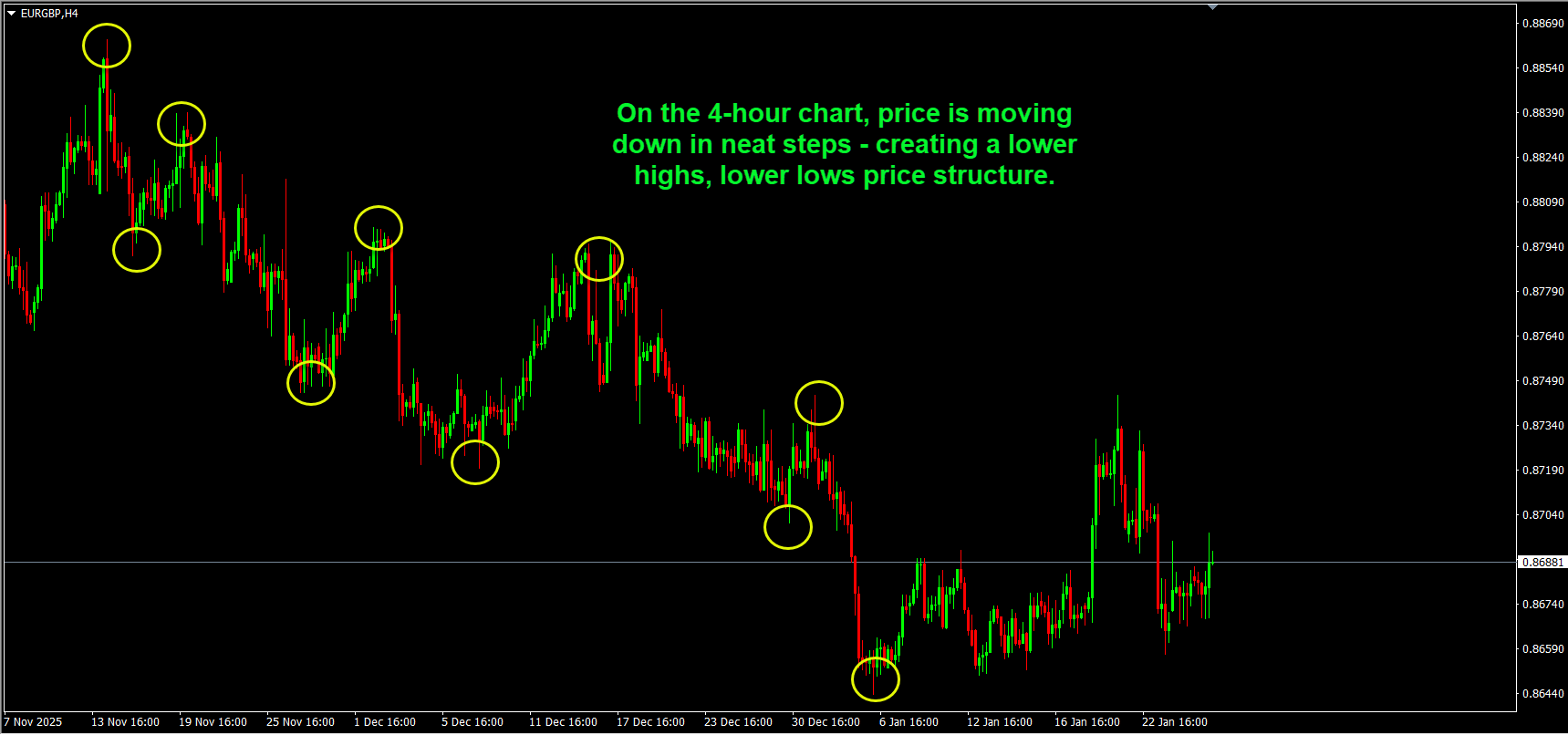
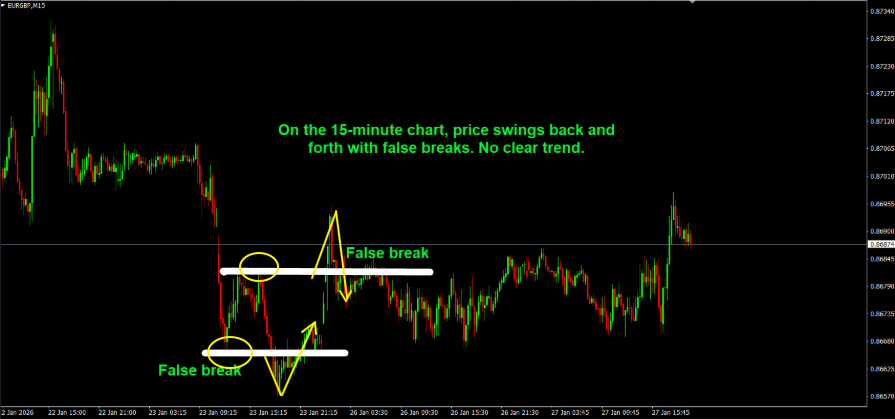
In EURGBP on the
4-hour chart , price is moving down in neat steps – creating a lower highs, lower lows price structure. BUT, on the
15-minute chart , price swings back and forth with false breaks. No clear trend.
So if you just look at the 15-minute time frame, you might give up on a much better trading opportunity with the trend, on the 4H time frame
Most traders stop at one timeframe and make decisions based on that narrow view — and that’s where mistakes happen.
Why?
Because:
🔹 Shorter timeframes are noisier and have many more unclear moves. 🔹 Longer timeframes show structure and bigger trends, and broader money flow on the market
Noise is usually a random price movement. Structure is where real opportunities happen.
🧠 5. How Timeframes Affect Your Trading Psychology
Timeframes influence how you
feel about your trades .
Short timeframes → You see every small up/down move → More stress → More impulsive decisions.
Longer timeframes → You see well-defined trends → More clarity → Better discipline.
If you’ve ever:
❌ Closed a winning trade too early ❌ Panicked after a few red candles ❌ Changed your plan mid-trade
…chances are you were trading on a timeframe that didn’t fit your personality or strategy.
📌 6. The Power of Multiple Timeframe Analysis (MTFA)
One of the biggest advantages experienced traders use is
Multiple Timeframe Analysis.
Analysis based on two or more time frames.
Here’s how it works:
Step 1 — Start with a Higher Timeframe
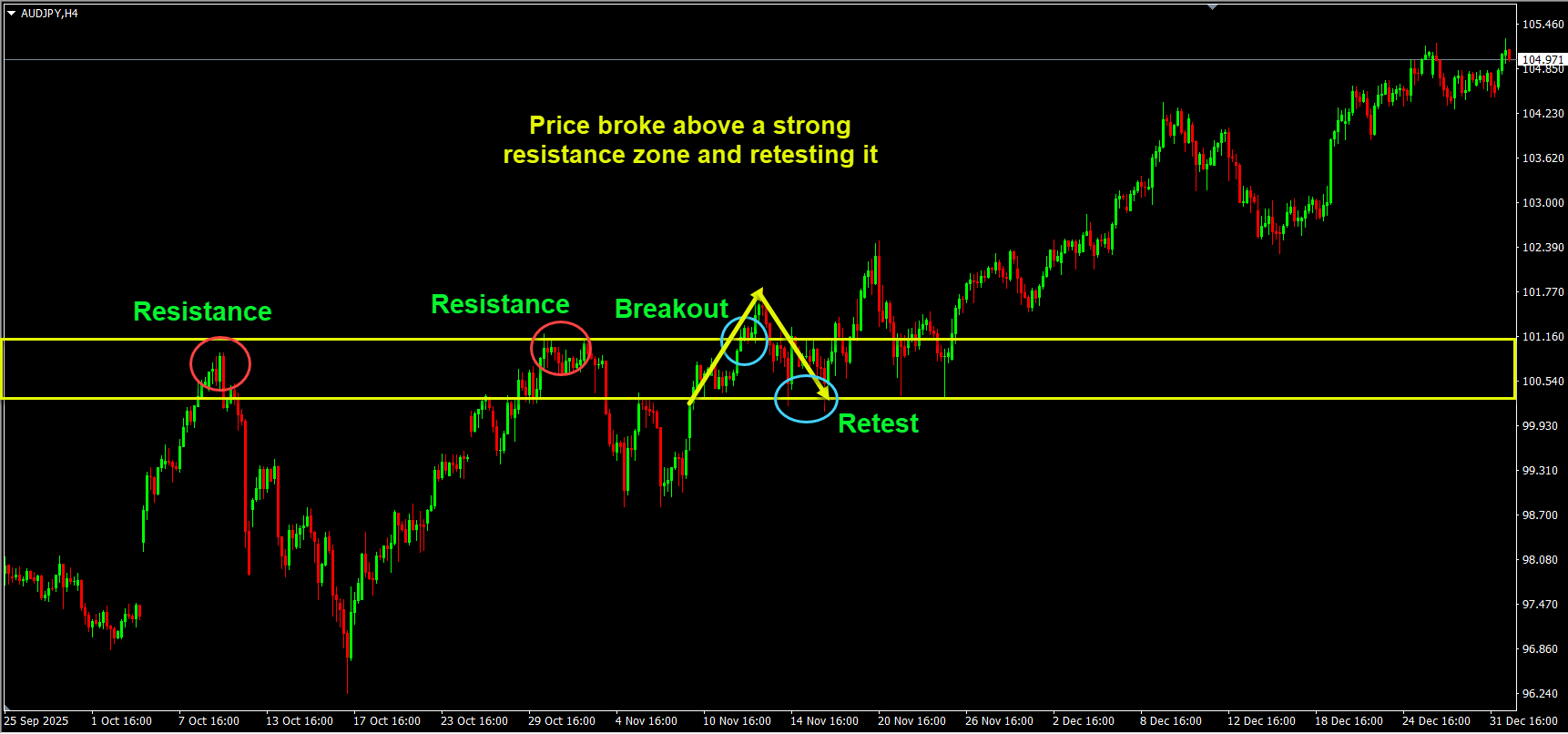
Look at the 4-hour or daily chart. Identify major trend direction, support/resistance, and market structure.
Step 2 — Drop to a Lower Timeframe
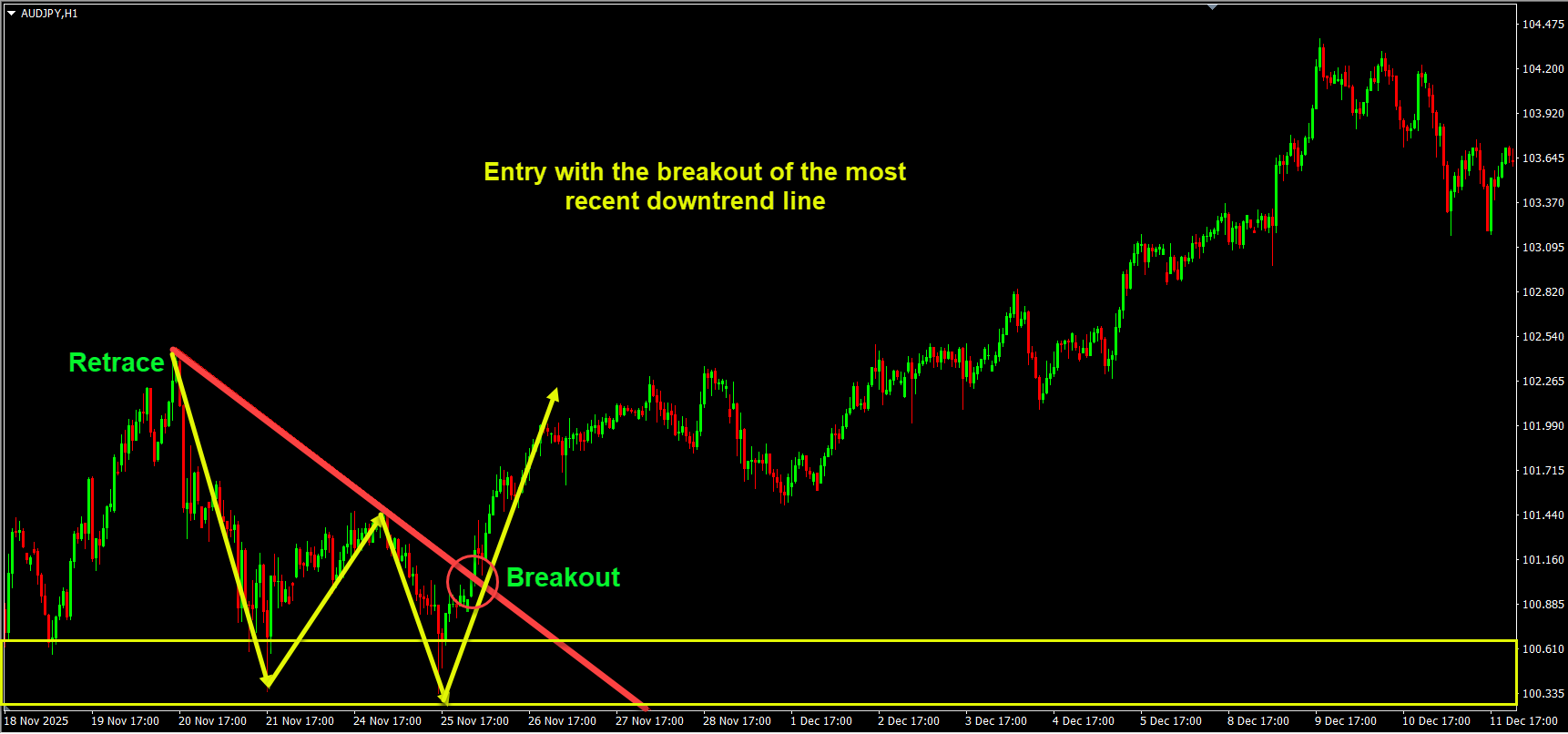
Move to the 15-min or 1-hour chart. Look for precise entry signals that align with the higher timeframe trend.
This process gives you:
✔ Direction from the big picture ✔ Entry precision from the small picture ✔ Better risk management
This is not guesswork — it’s disciplined alignment between timeframes.
🛑 7. Common Mistakes Traders Make With Timeframes
❌ Mistake #1 — Using Only One Timeframe
If you trade the 5-min chart without checking the daily chart, you miss the bigger trend.
❌ Mistake #2 — Chasing Every Candle
The market moves all the time. Not every move is meaningful.
❌ Mistake #3 — Changing Timeframes Mid-Trade
Switching charts after entering a trade often leads to doubt and bad decisions.
💡 8. How to Choose the Right Timeframe for You
Ask yourself:
👉 Do I want fast action or strategic moves? 👉 Can I watch the market all day? 👉 Am I comfortable holding trades overnight? 👉 How much risk can I tolerate?
Then choose timeframes that match your answers.
Quick guide:
| Goal |
Suggested Timeframes |
| Fast trades |
1-min, 5-min |
| Intraday |
15-min, 1-hour |
| Swing |
4-hour, Daily |
| Long term |
Daily, Weekly |
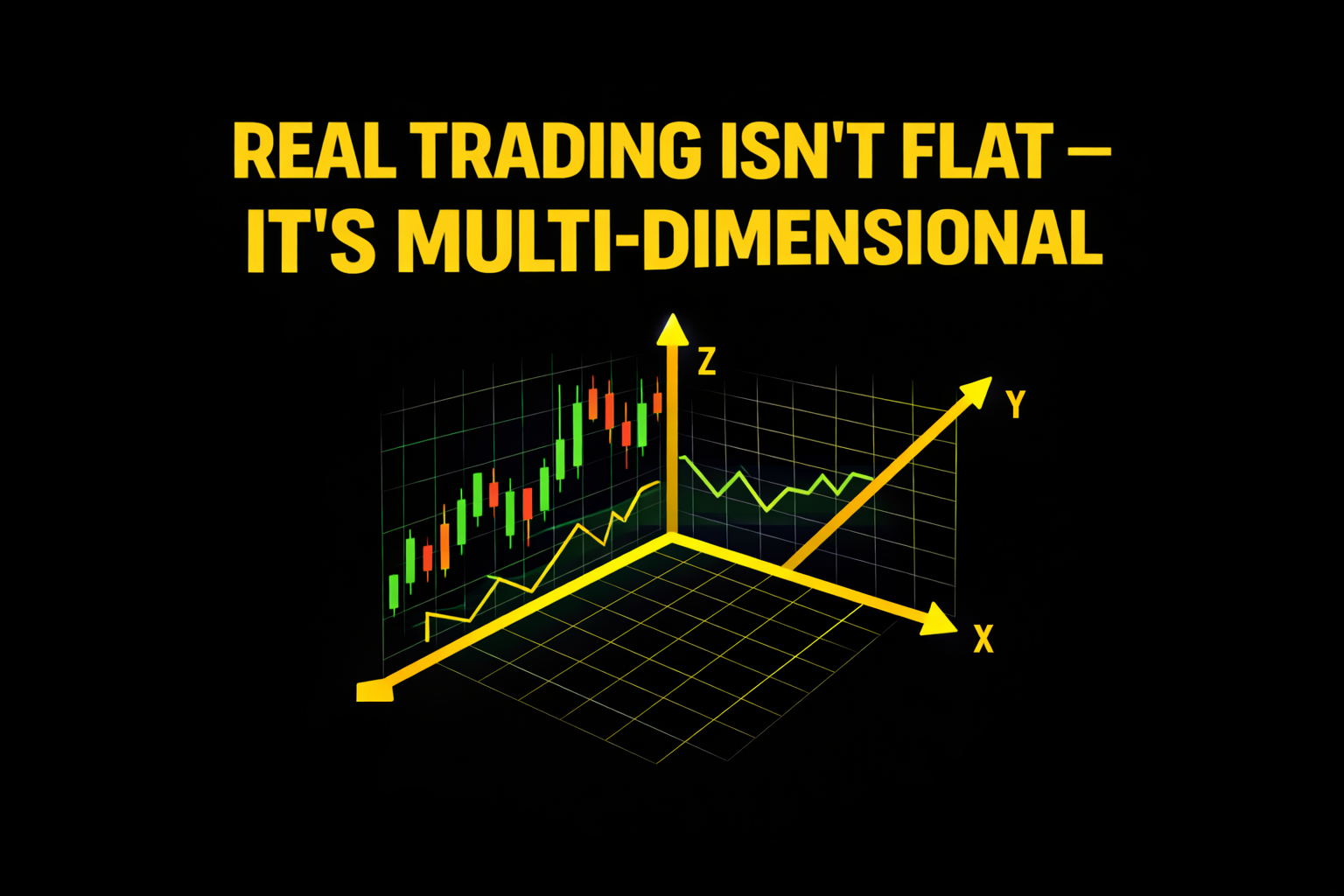
📈 9. Real Trading Isn’t Flat — It’s Multi-Dimensional
Timeframes are like lenses on a camera:
🔎 Narrow lens → details 📷 Wide lens → big picture
Great traders don’t just see charts — they interpret them across timeframes.
Success in Forex trading is not just about entry and exit trades. Success is measured in all the little details and steps you take. Analyzing multiple time frames to scan for more established and structured setups is one of the key steps for real success.
🧩 10. Final Truth: Timeframes Shape Reality in Forex
If you ignore higher timeframes and multi time frame analysis:
• You trade noise and make more mistakes • You get whipsawed out of trades much more frequently • You never see the real trend
If you master multi-timeframe work frame:
• You trade with clear direction and confidence • You align the signal with the price structure and the market’s trend • You manage risk like a pro
Higher timeframes and multi time frames analysis are not optional in Forex — they are foundational.
Wrap-Up: What to Take Home
✔ Different timeframes determine your trading style ✔ Longer timeframes show structure and clearer trends ✔ Shorter timeframes are usually noisier and more confusing ✔ Combining timeframes builds better signals ✔ Your psychology improves with the right timeframe for you
Mastering timeframes is one of the fastest ways to improve your Forex results.