Many traders spend years searching for the perfect strategy.
They test indicators. They switch timeframes. They chase new systems.
Yet most trading problems don’t come from the strategy itself.
They come from poor entry timing and unclear exit decisions .
You can have the right market bias — and still lose money — if you enter too early, exit too late, or act without a plan.
This article explains how professional traders think about entries and exits , using simple language and real market logic — not complicated formulas.
 This creates a higher-quality entry opportunity .
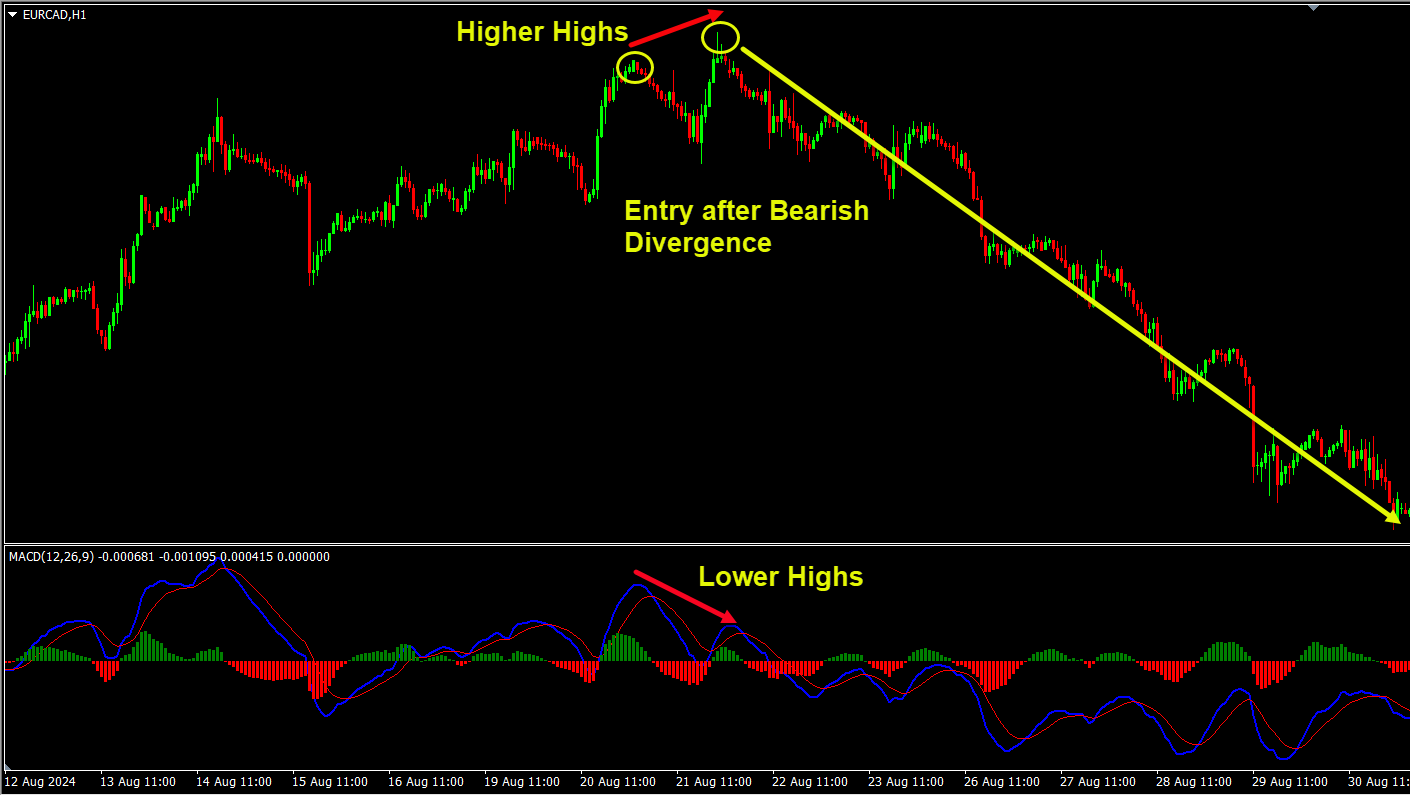 For example entry after Bearish Divergence based on MACD indicator.
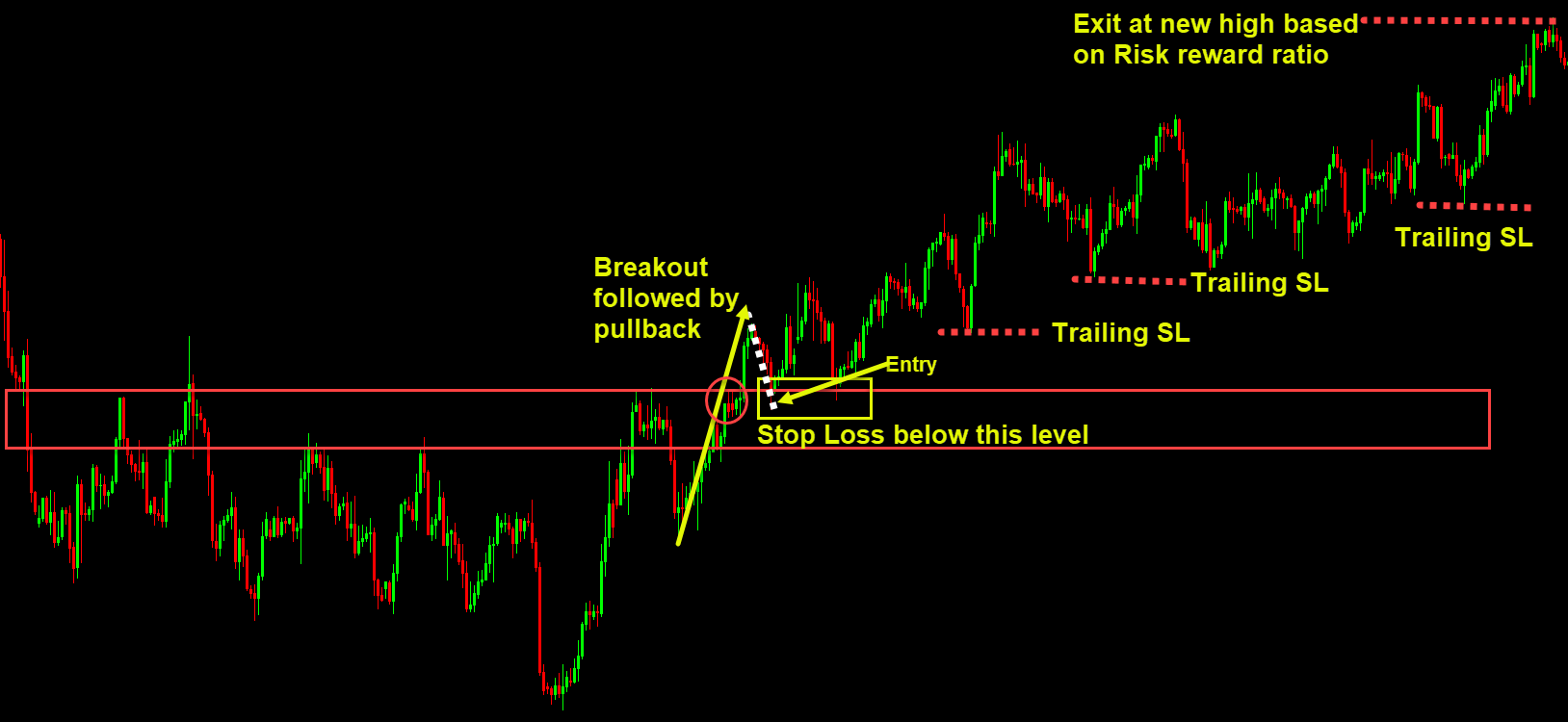 After the pullback confirms support
Why Entries and Exits Decide Your Trading Results
A trade is not a single action. It is a sequence of decisions . • Where you enter • Where you admit you’re wrong and cut out • Where do you take profit If any one of these is unclear, the trade becomes emotional instead of structured. Bad entries lead to:- Immediate drawdown
- Emotional stop adjustments
- Overtrading to “fix” the mistake
- Profits cut short
- Winners turning into losers
- Holding losing trades out of hope
A Simple Framework: How Every Trade Unfolds
Every trade can be broken into three logical stages:1. Market Preparation
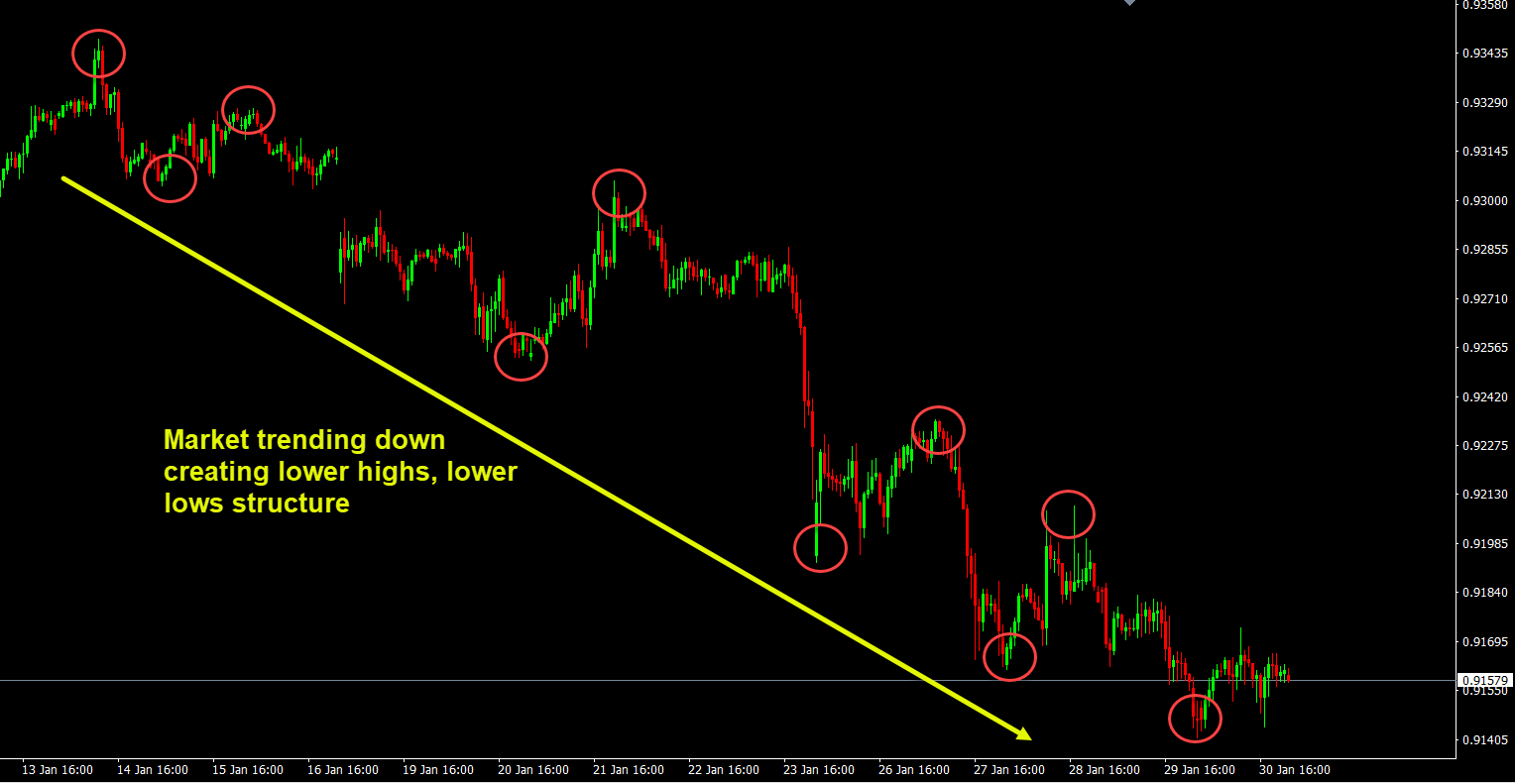
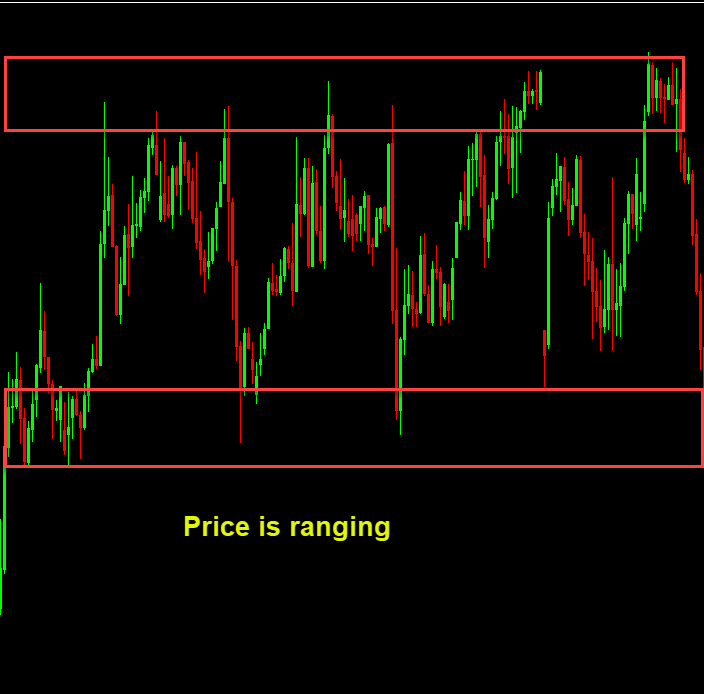
You study the chart and decide:- Is this market trending or ranging?
- Where are the key levels?
- Is there a clear idea worth trading?
2. Trade Execution
This is the moment of action:- You choose the exact price area
- You place your order
- Risk is clearly defined
3. Trade Completion
You decide:- Where profits are taken
- When the trade is no longer valid
- How much of the move you aim to capture
ENTRY TECHNIQUES: How Traders Enter With Logic, Not Impulse
Good entries don’t chase price. They respond to structure . Below are practical entry methods used by disciplined traders.1. Break-and-Close Entry
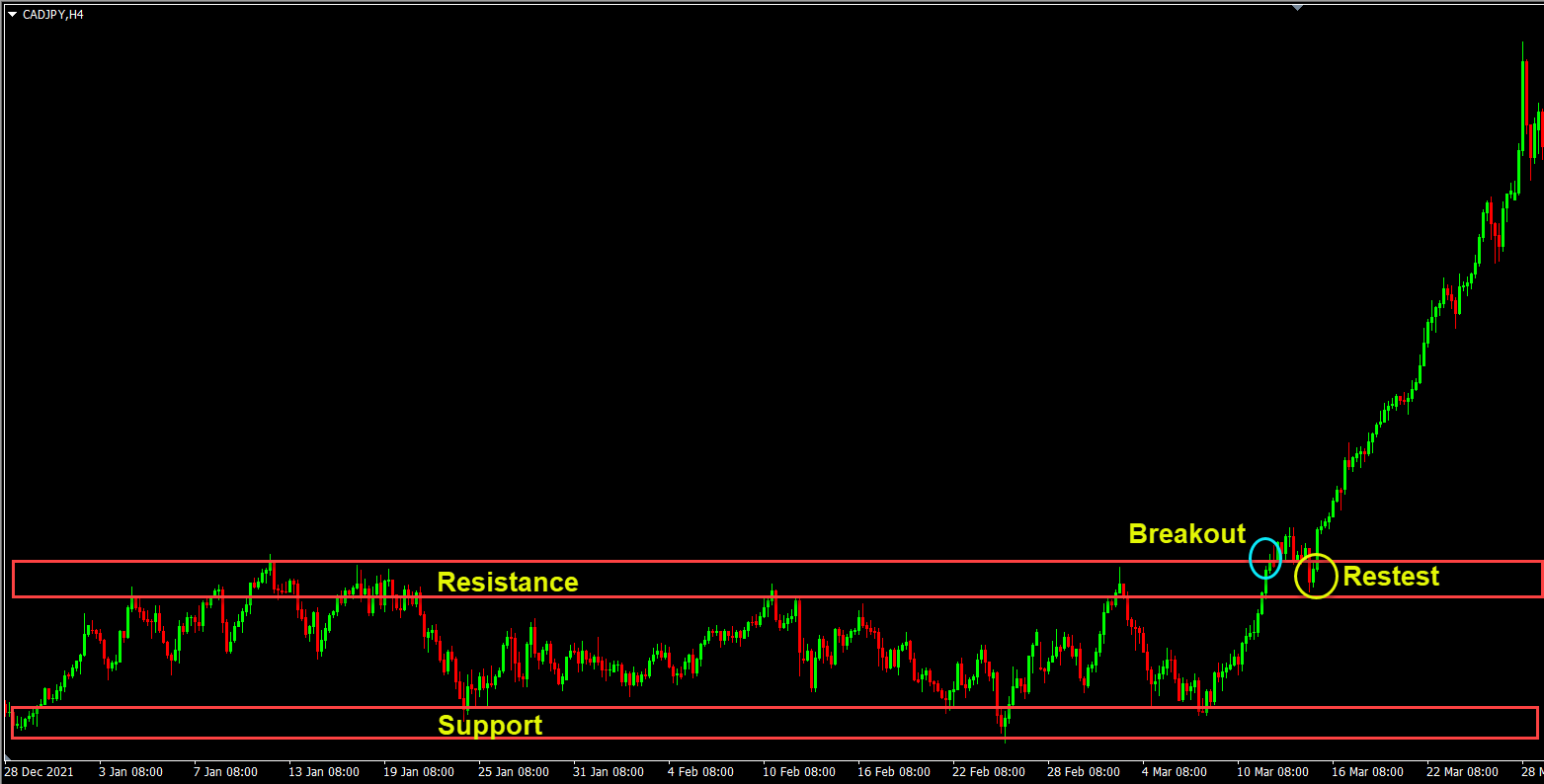
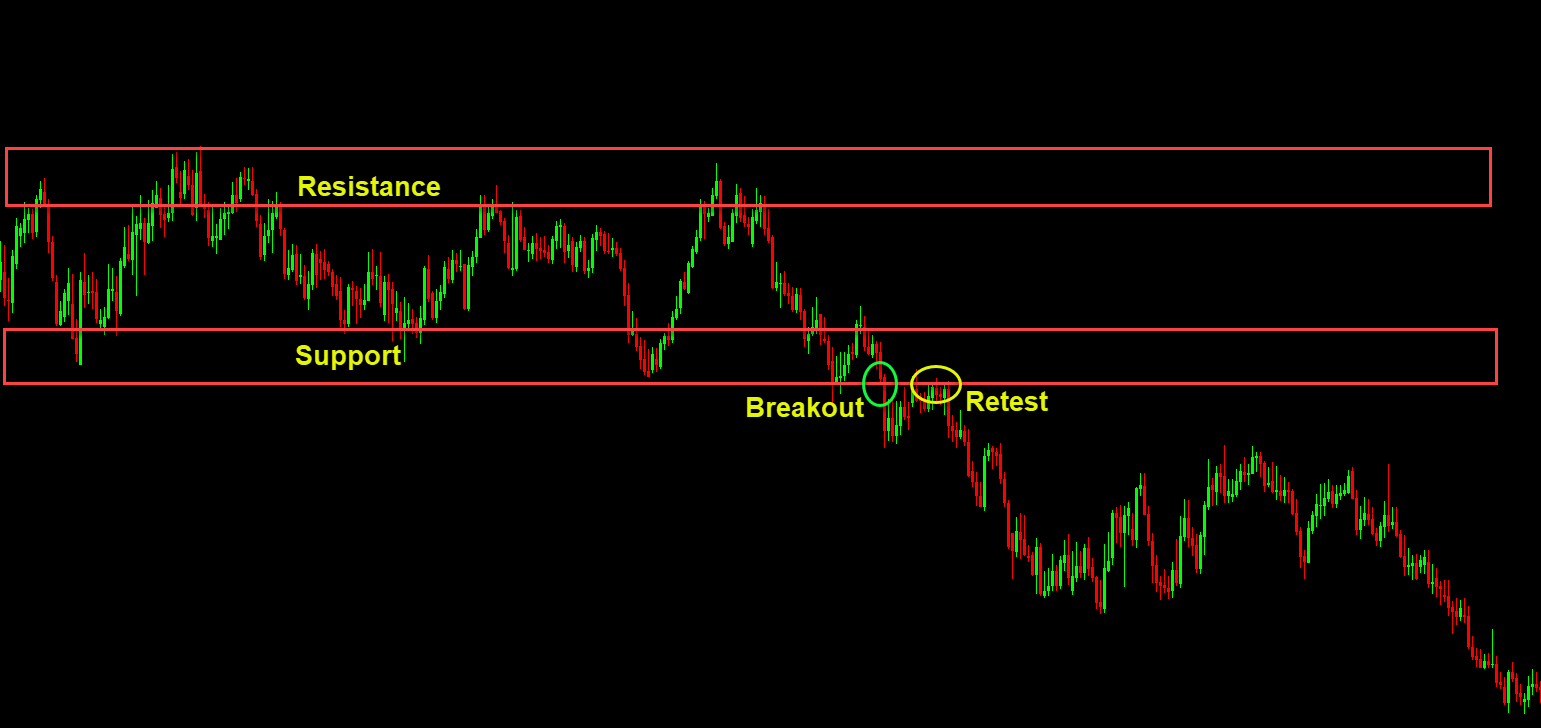
A breakout only matters when the market accepts the new price. Instead of entering the moment the price touches a level, professional traders wait for confirmation .How it works:
- Identify a well-tested support or resistance zone
- Wait for price to close beyond it , not just spike through
- Look for follow-through or a pullback before entering
2. Pullback After Breakout (Confirmation Entry)
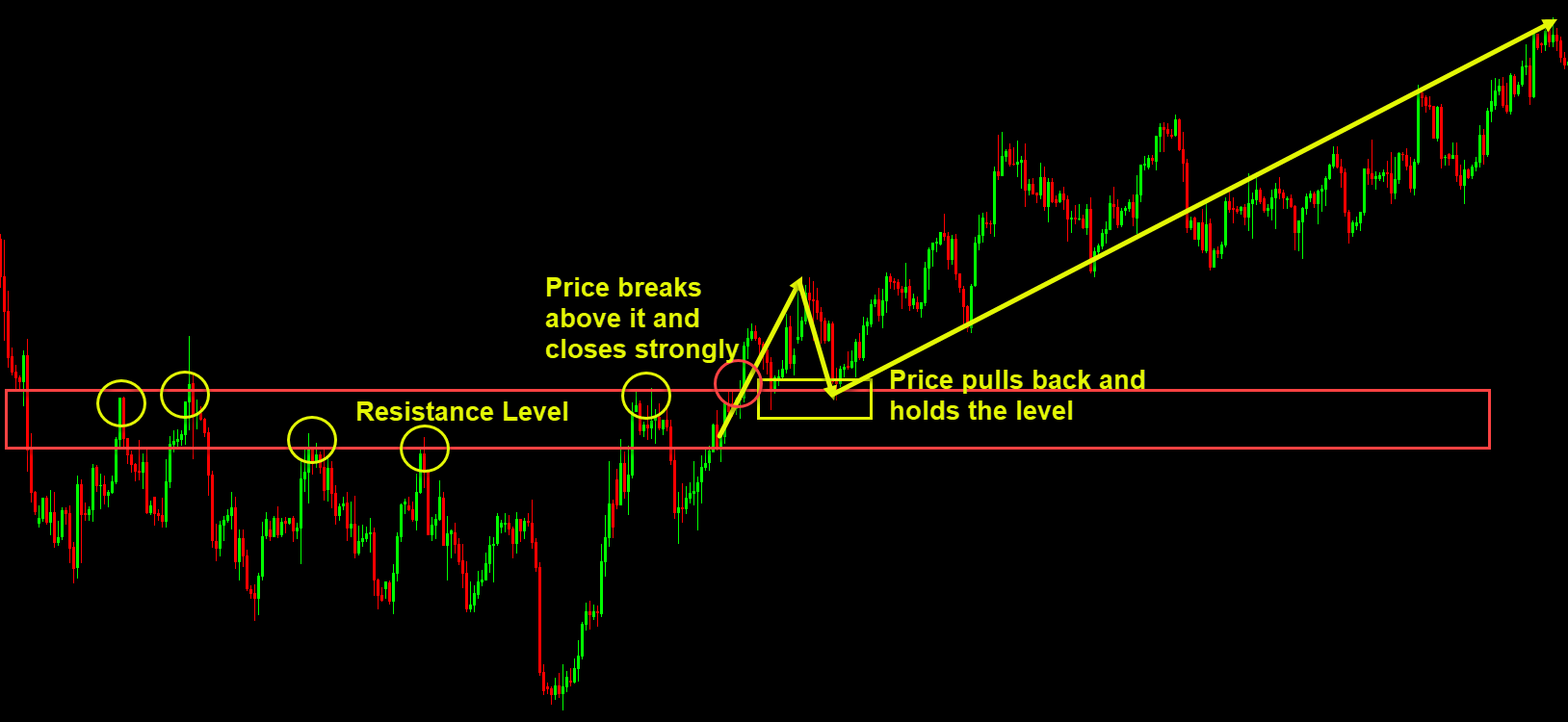
Markets rarely move in straight lines. After a genuine breakout, price often returns to test the level it just crossed.
This creates a higher-quality entry opportunity .
Why this works:
- Risk is usually smaller
- The market proves the level has changed role
- You enter after uncertainty clears
3. Trend Continuation Entry (Trading With the Flow)
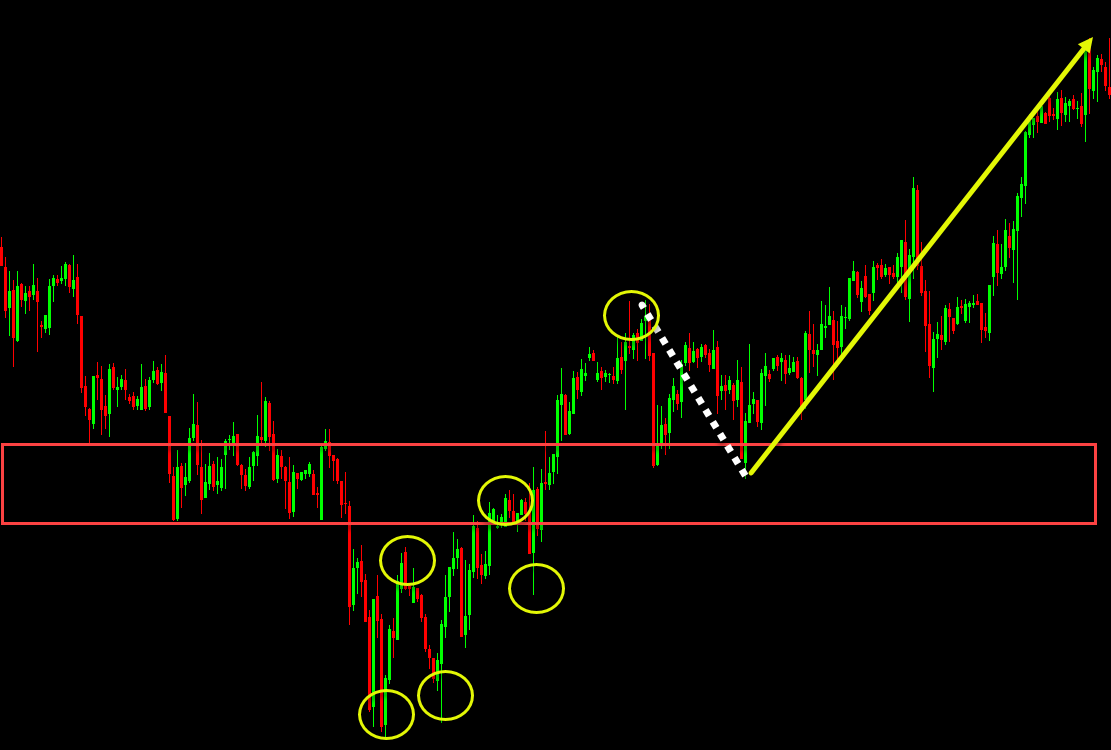
When a trend is established, the market moves in waves. Instead of buying highs or selling lows, experienced traders wait for price to pull back into value .Typical structure:
- Clear higher highs and higher lows (uptrend)
- Price retraces toward previous structure or dynamic support
- Entry aligns with the dominant direction
4. Indicator-Supported Entries (Used Correctly)
Indicators are not entry signals by themselves. They are confirmation tools . Used properly, they help answer questions like:- Is the trend losing strength?
For example entry after Bearish Divergence based on MACD indicator.
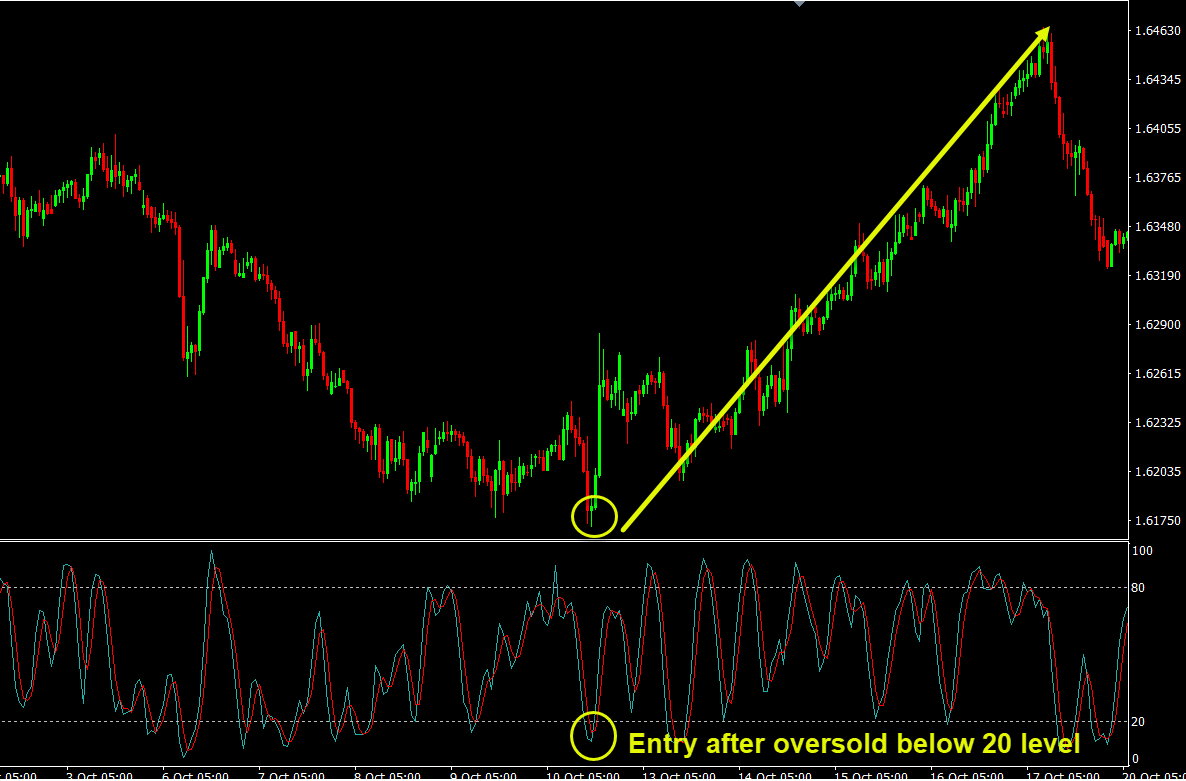
- Is price overstretched? For example entry after the Oversold condition in the Stochastic indicator below the 20 level.
EXIT TECHNIQUES: How Traders Protect Profits and Capital
Many traders focus on entries and neglect exits. In reality, exits define profitability . Below are structured exit approaches used in real trading.1. Predefined Target Exit
Before entering, the trader identifies:- A logical resistance or support level
- A measured move based on price structure or market patterns
- A realistic price objective

- Removes emotion
- Prevents second-guessing
- Creates consistency
2. Trailing Exit (Letting Winners Breathe)
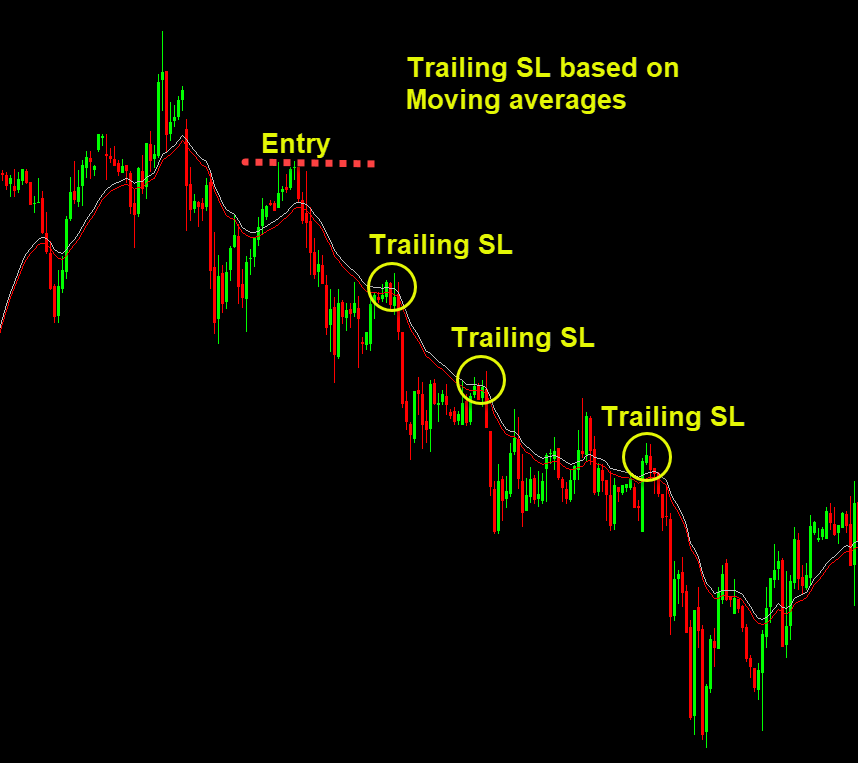
In trending markets, fixed targets can limit potential. Trailing exits allow the trader to:- Lock in profit gradually
- Stay in the trade while the trend remains healthy
- Exit only when momentum weakens
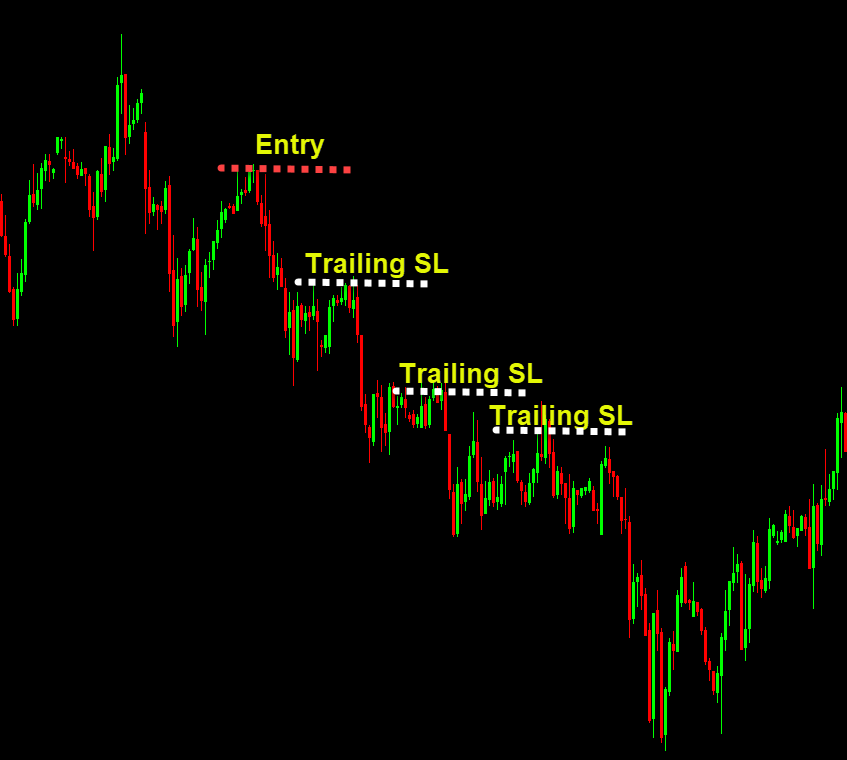
- Recent swing points
- Volatility measures
- Moving averages
3. Structure Failure Exit
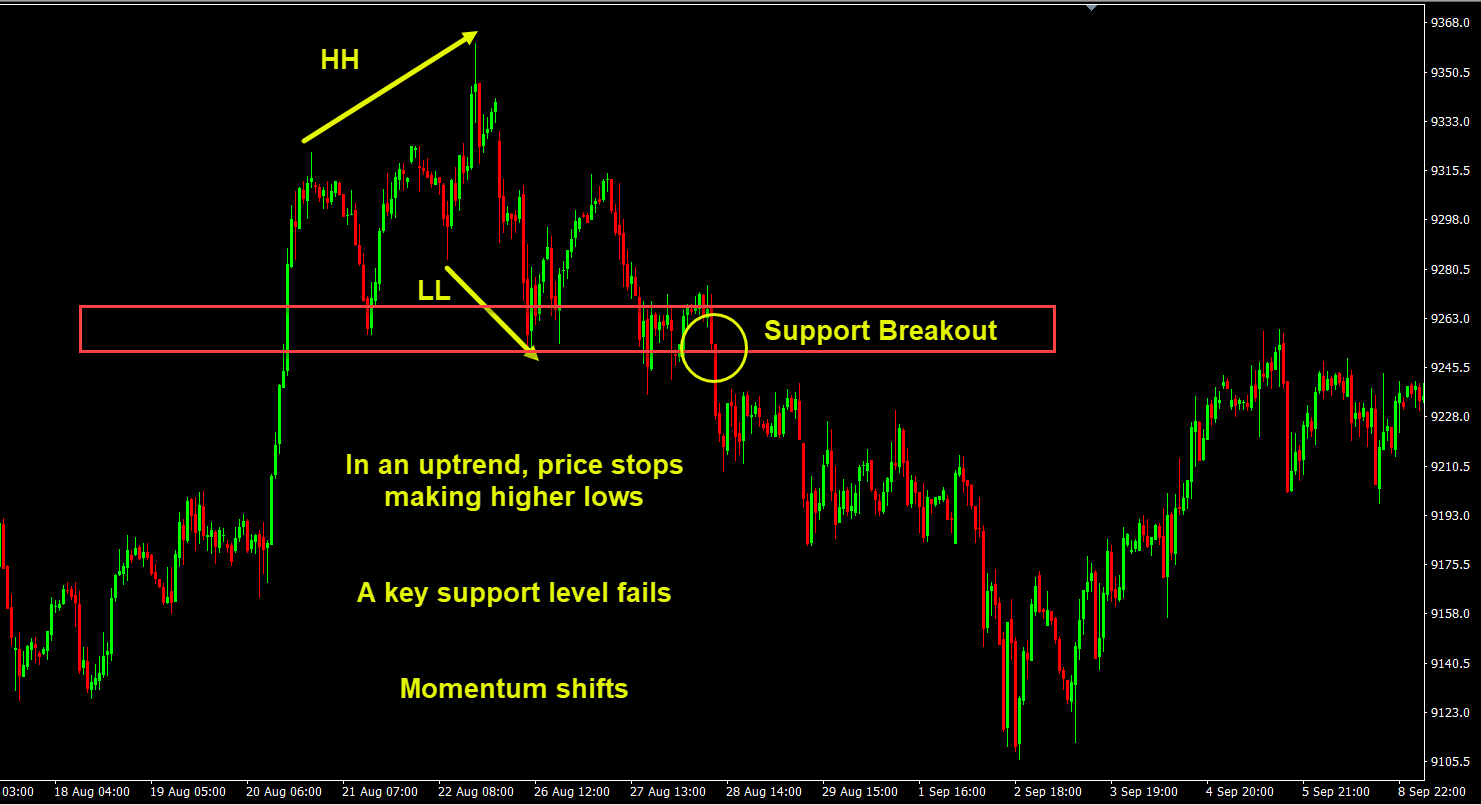
Markets move in patterns. When those patterns break, the reason for the trade no longer exists.Example:
- In an uptrend, price stops making higher lows
- A key support level fails
- Momentum shifts
4. Rule-Based Exit (Emotion Removed)
The most damaging exits are emotional ones. They happen when traders:- Feel nervous during pullbacks
- Hope losses will recover
- Move stops to avoid being wrong
A Complete Trade Example (Conceptual)
Imagine a market trading sideways for several sessions.- A clear resistance level forms
- Price breaks above it and closes strongly
- Strong bullish candle
- Price pulls back and holds the level
Entry:
After the pullback confirms support