 When you’re learning Forex trading, the idea of trends and pullbacks can feel tricky at first. Many novice traders see only up and down moves, without truly understanding the internal rhythm of the market.
But seasoned traders know:
Trends don’t go straight up or down — they move in waves.
Those waves have two parts:
When you’re learning Forex trading, the idea of trends and pullbacks can feel tricky at first. Many novice traders see only up and down moves, without truly understanding the internal rhythm of the market.
But seasoned traders know:
Trends don’t go straight up or down — they move in waves.
Those waves have two parts:
- Impulse moves (when price travels strongly in the direction of the trend), and
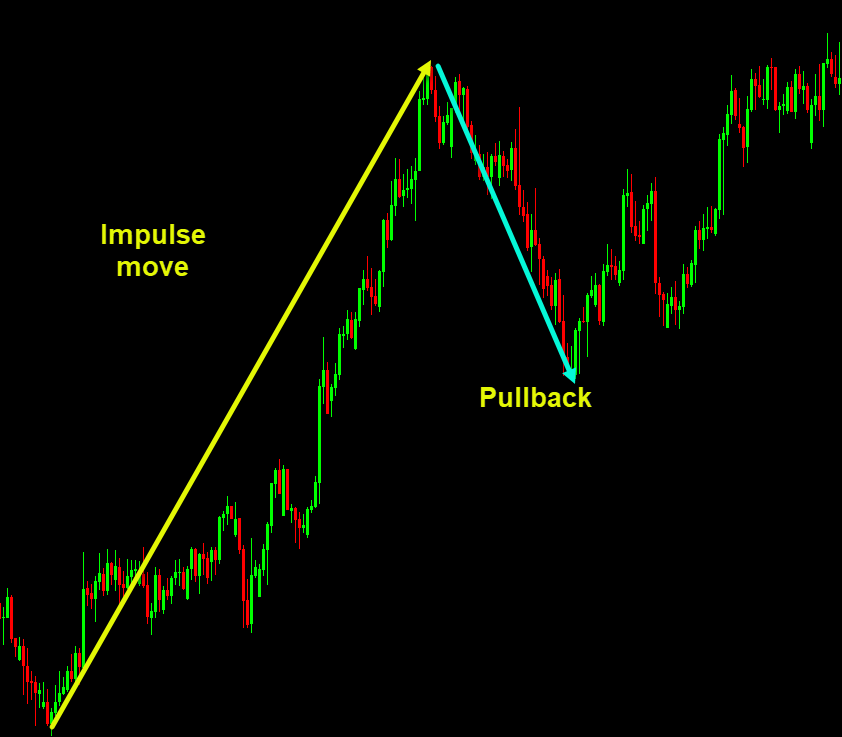
- Pullbacks (temporary pauses or counter-moves before the trend continues).
🎯 What Is a Pullback — Simply Explained
Think about it from a life example, let’s say like breathing in before breathing out A pullback is like taking a breath in before you speak loudly. In trading, it’s the same. The market pauses and pulls back to gather energy before continuing the main move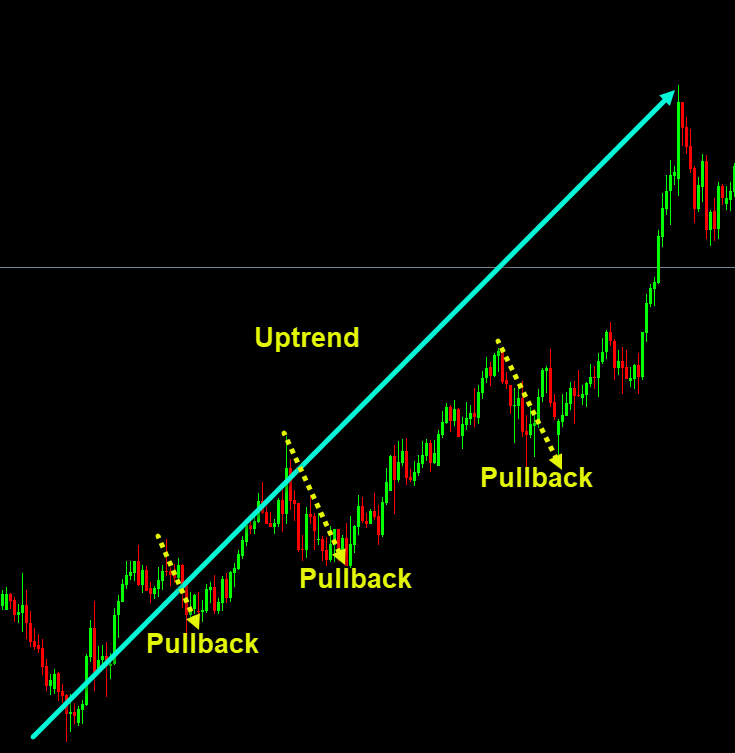 In an uptrend, price naturally retreats a bit after a strong advance before moving higher again.
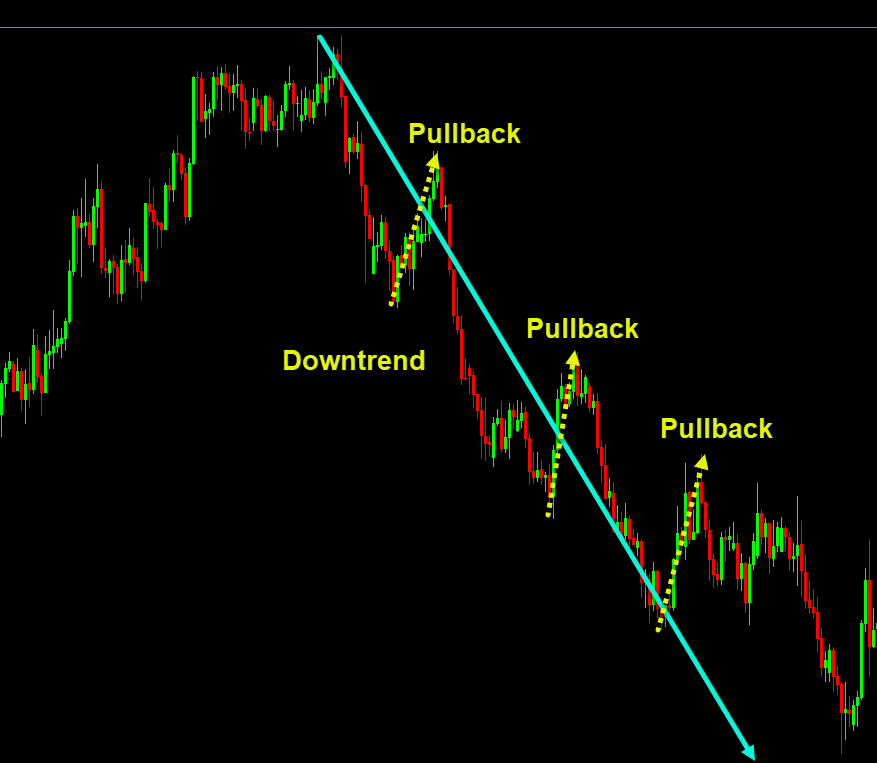 In a downtrend, price bounces up a little after a drop before continuing lower.
Here’s the key idea:
A pullback is a temporary pause or counter-move inside an established trend.
It is not a trend change — just a resting point before the market continues in the original direction.
In a downtrend, price bounces up a little after a drop before continuing lower.
Here’s the key idea:
A pullback is a temporary pause or counter-move inside an established trend.
It is not a trend change — just a resting point before the market continues in the original direction.
🧠 Why Pullbacks Happen
Trends are not a constant energy. They are made up of human decisions — buy orders, sell orders, profit-taking, stop-loss triggers, and new participants entering or exiting. Price moves forward until:✔ A group of traders take profits
✔ New sellers enter an uptrend
✔ Buyers slow down
✔ Market emotion cools
So the price backs off slightly — this is the pullback.
Then fresh momentum (or new buyers/sellers) reasserts the trend.
In short, pullbacks are: natural pauses in a trending market — not breakdowns.
📈 Structurally, What Does a Pullback Look Like?
To know if price is pulling back, ask:- Are we in a trend?
- Uptrend: higher highs and higher lows
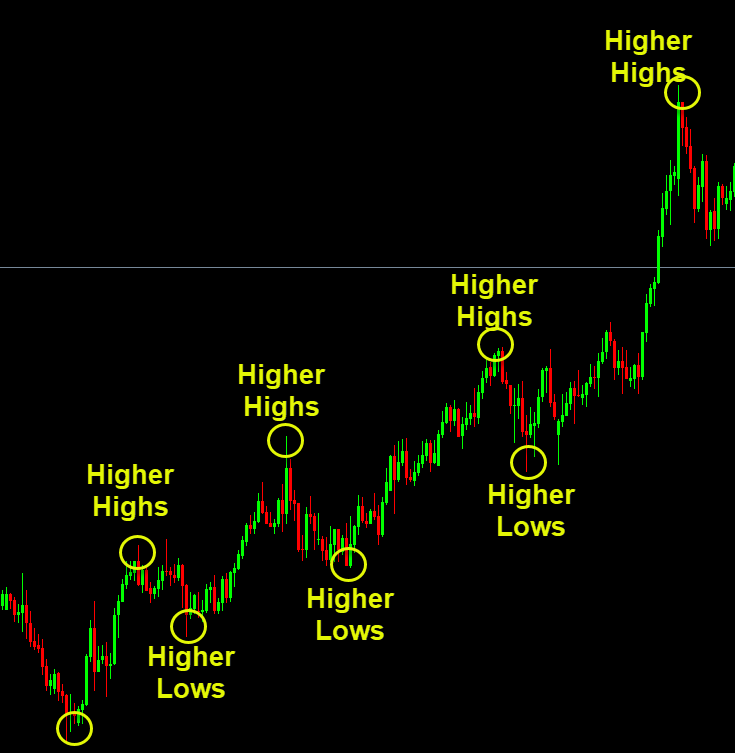
- Downtrend: lower lows and lower highs
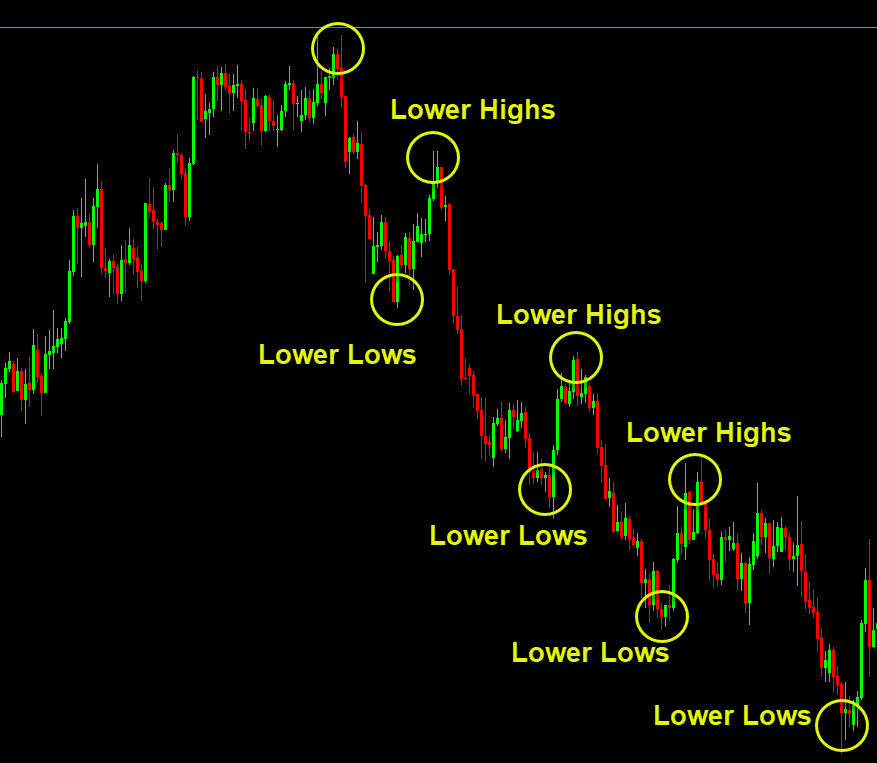
- Uptrend: higher highs and higher lows
- Did price start moving against the trend?
- In an uptrend: price moves down slightly
- In a downtrend: price moves up slightly
- Is this move temporary?
- Price doesn’t break a key level that invalidates the trend
- The original trend structure stays intact
🔍 4 Simple Ways to Identify Pullbacks in Real Time
Here are practical techniques you can start using today:🟢 1. Higher Low Formation in an Uptrend
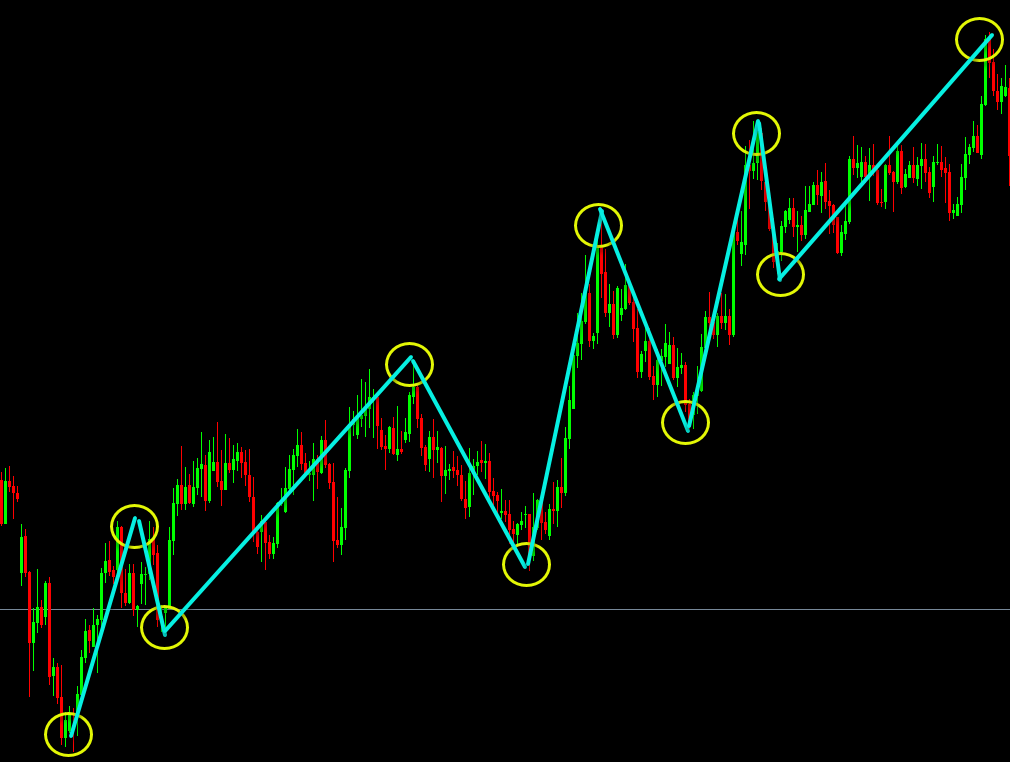 In an uptrend:
✔ Price makes a high
✔ Then drops slightly
✔ But the low it forms is higher than the previous low
This tells you buyers stepped in earlier than before — the trend is intact.
This pattern is a classic signal that a pullback is ending and the trend will resume.
🔴 2. Lower High Formation in a Downtrend
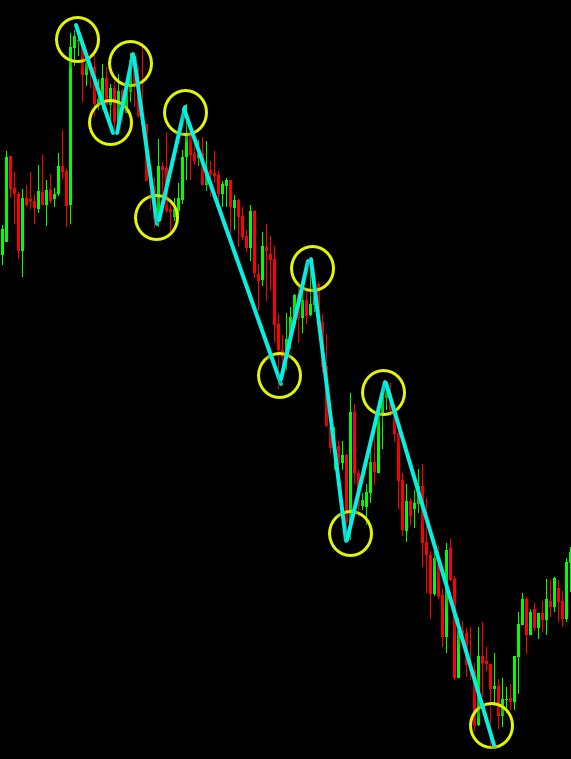 In a downtrend:
✔ Price makes a low
✔ Then bounces up slightly
✔ But the high it forms is lower than the previous high
This shows sellers regained control quickly — the downtrend is still in charge.
This is a zoom-in pattern for identifying pullbacks before continuation.
🟡 3. Moving Average As Support/Resistance
Moving averages are excellent tools for spotting pullbacks. In an uptrend: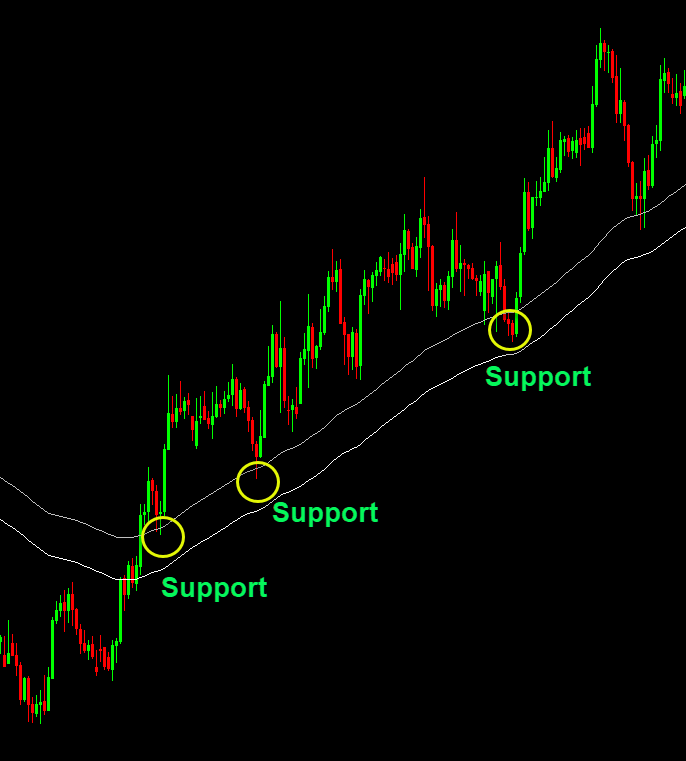
✔ Price often dips toward a moving average line
✔ Then rebounds
In a downtrend:
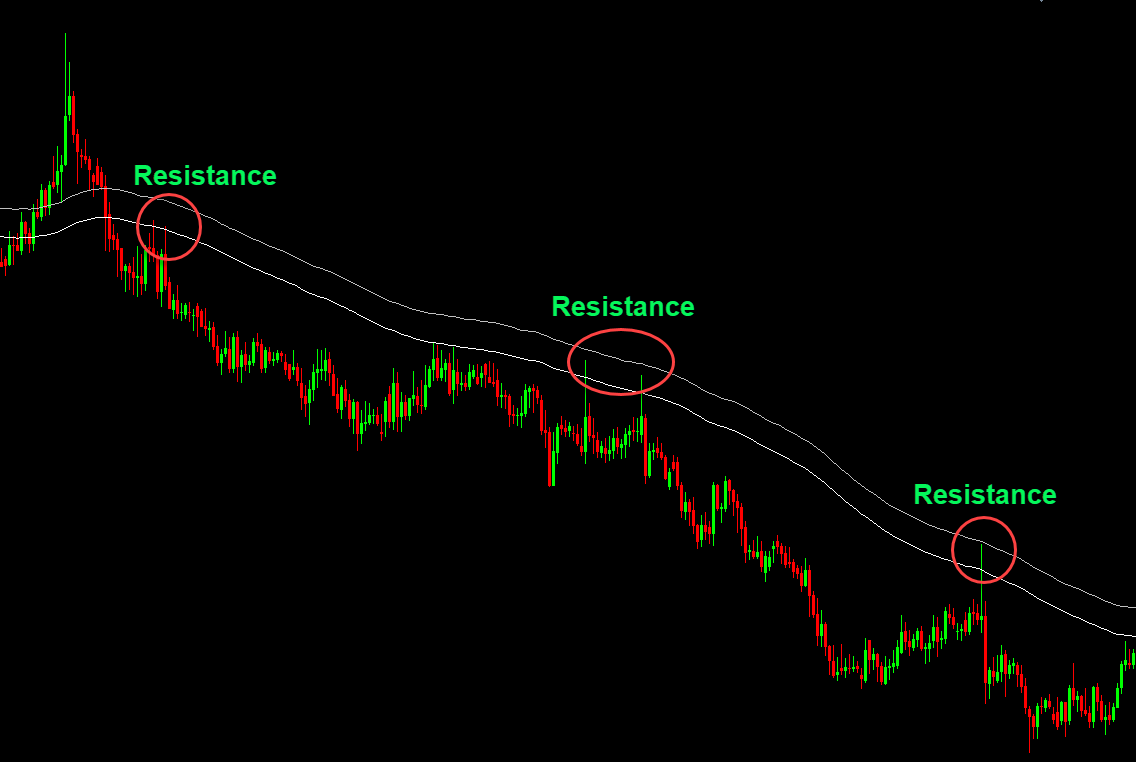
✔ Price often rises to a moving average line
✔ Then turns down again
This gives a visual and objective place to watch for trend resumption.
Common moving averages used:
✔ 20 EMA (fast trend)
✔ 50 EMA (intermediate trend)
These act as reference filters — not magic entry points.
🔵 4. Trendline Pullback Test
Draw a line connecting the lows in an uptrend or the highs in a downtrend.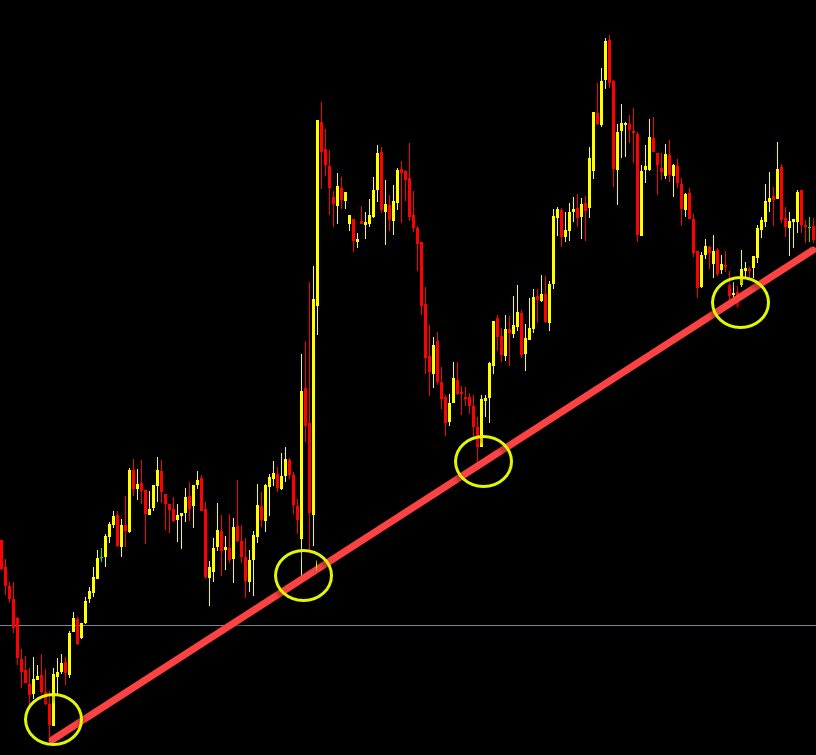
 When price pulls back to test this trendline and then bounces off it, it’s likely a pullback, not a reversal.
This technique helps confirm that the market respects the trendline — and the trend still has strength.
When price pulls back to test this trendline and then bounces off it, it’s likely a pullback, not a reversal.
This technique helps confirm that the market respects the trendline — and the trend still has strength.
📌 When Is a Pullback Not a Pullback
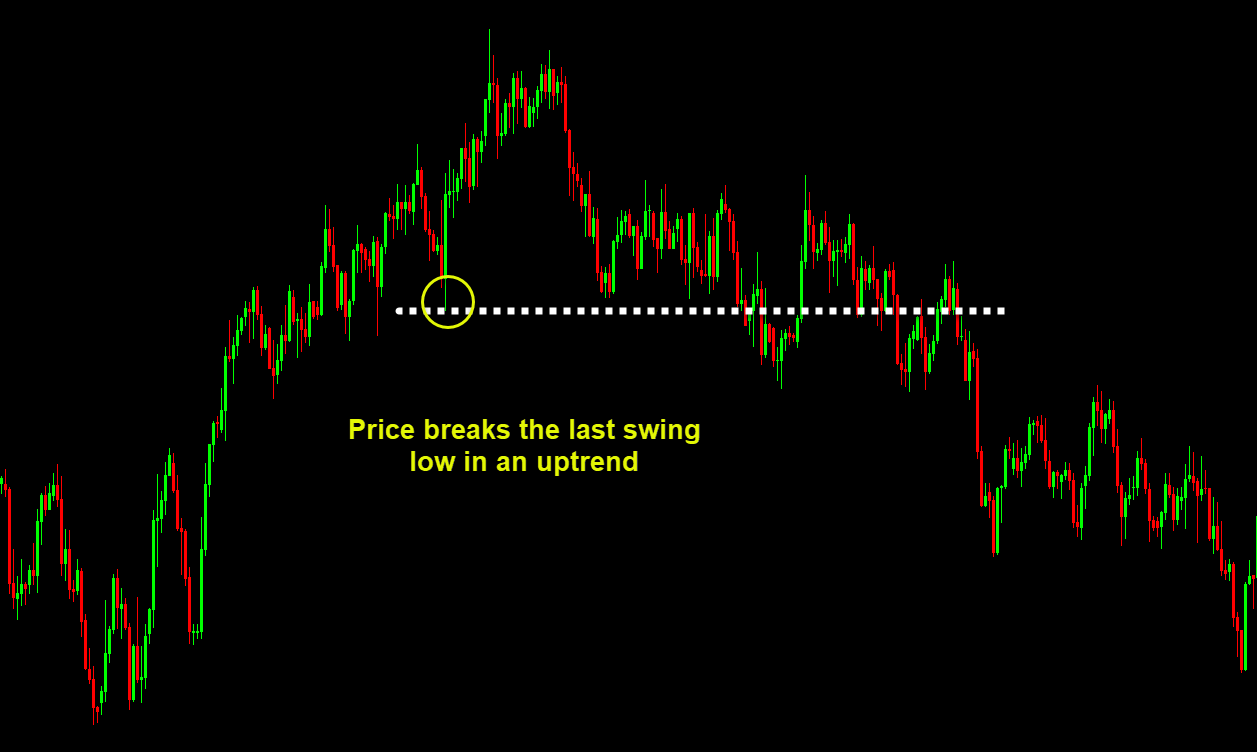
This is one of the most critical parts of trading: Not all counter-moves belong to the trend. A move is not a pullback if: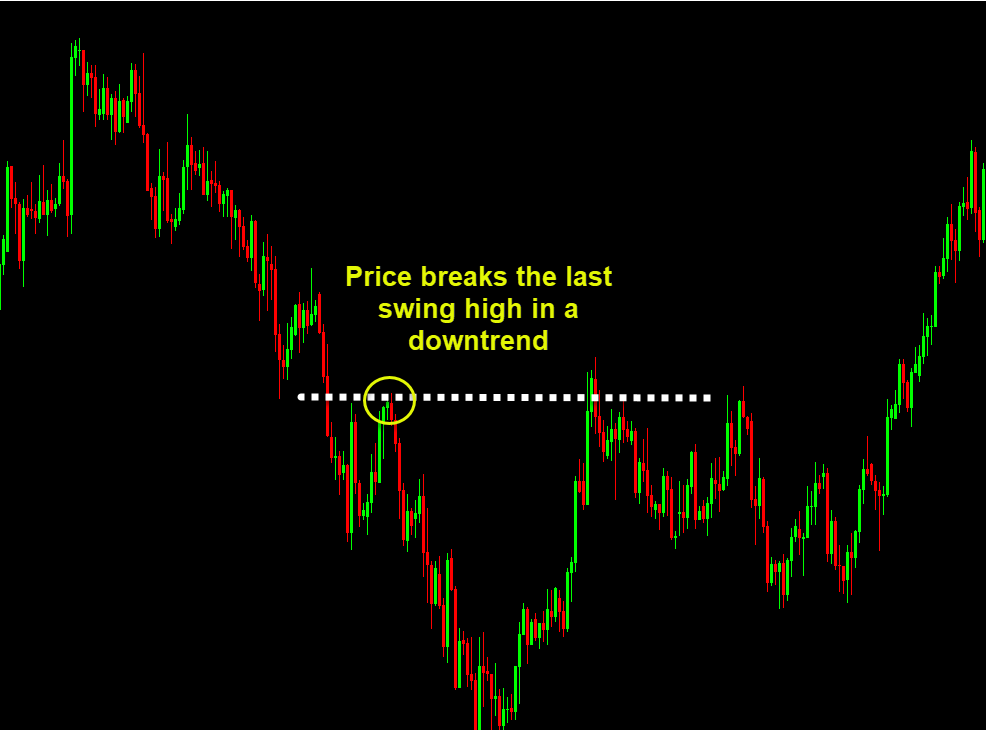
✖ Price breaks the last swing high in a downtrend
✖ Price breaks the last swing low in an uptrend
✖ The structure shifts — higher lows stop forming in an uptrend or lower highs stop forming in a downtrend
When such levels break, it’s no longer a pullback — it’s a potential trend change.
Understanding this distinction separates guesswork from informed decisions.
🧠 How Deep Should a Pullback Go?
There is no exact number — every market and timeframe behaves differently — but here are general guidelines:In Strong Trends
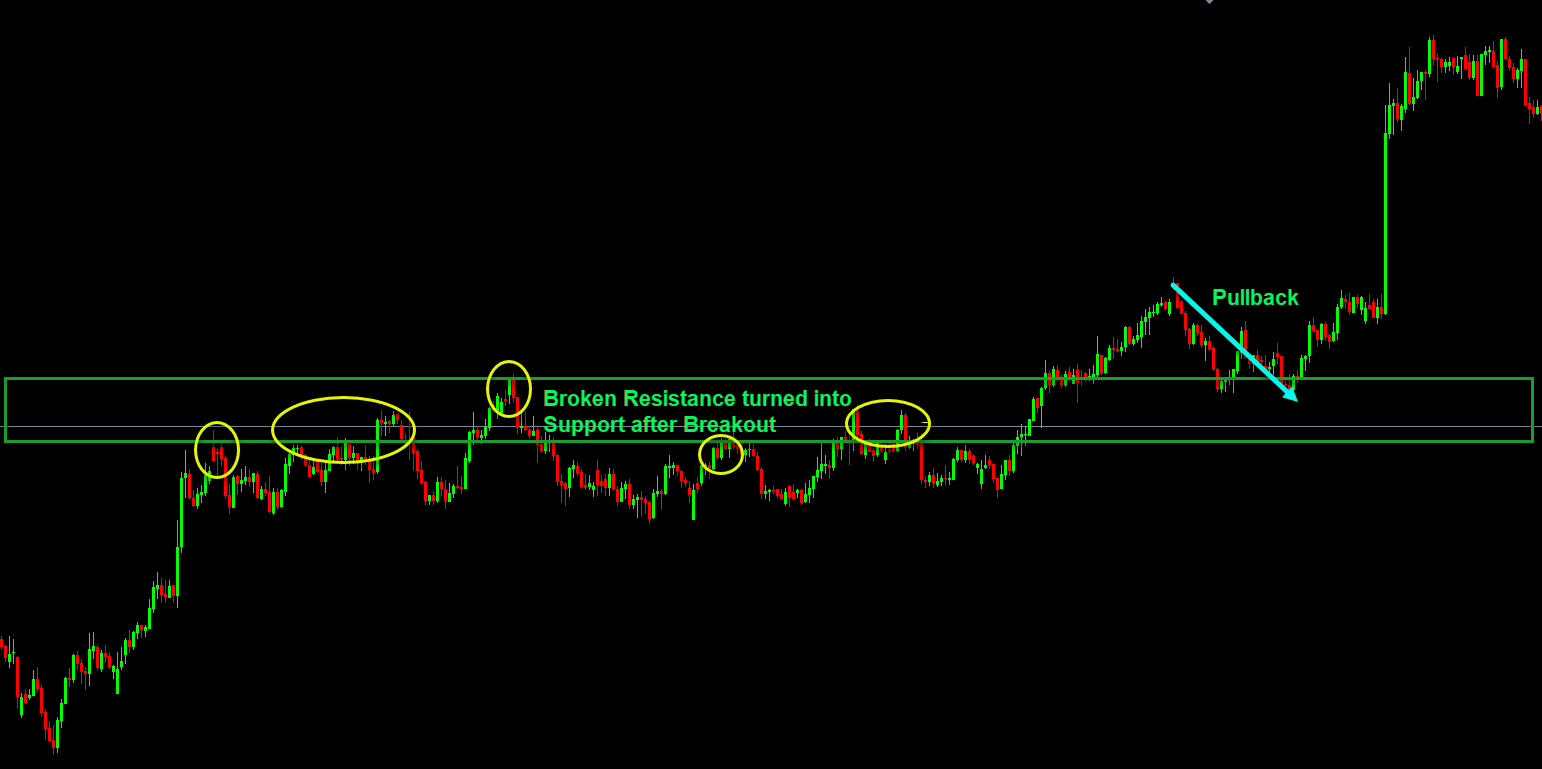
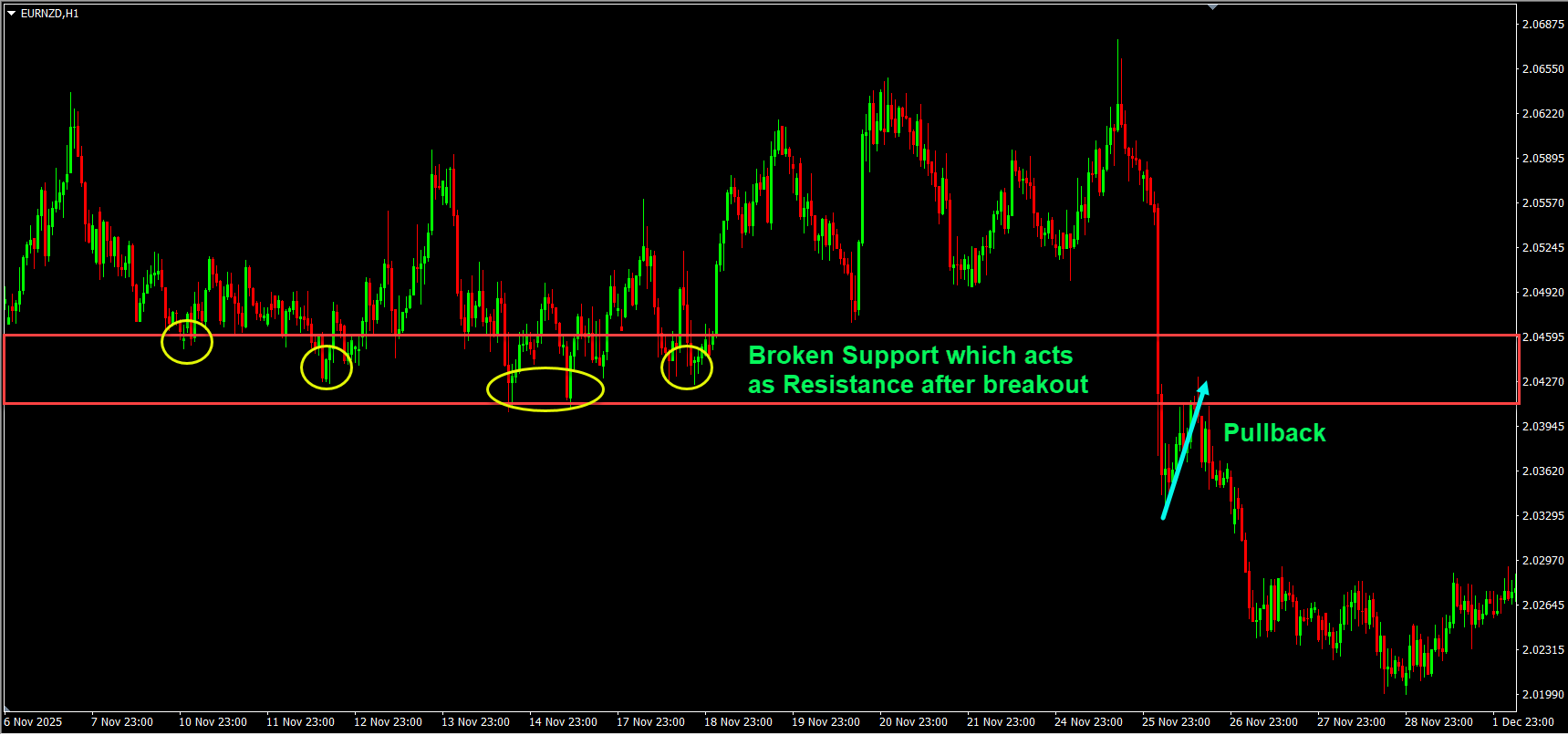 Pullbacks are usually shallow and are expected to test the zone where the broken resistance acts as support in uptrends and the broken support, which acts as resistance in downtrends.
Strong markets don’t pause long — they resume fast.
Pullbacks are usually shallow and are expected to test the zone where the broken resistance acts as support in uptrends and the broken support, which acts as resistance in downtrends.
Strong markets don’t pause long — they resume fast.
 In these cases, patience matters more — wait for confirmation of direction before acting.
Remember:
➡ Depth alone does not destroy the trend — structure does.
In these cases, patience matters more — wait for confirmation of direction before acting.
Remember:
➡ Depth alone does not destroy the trend — structure does.
A Simple 3-Step Pullback Identification Checklist
When price starts moving against the trend, ask yourself:Step 1 — Are we in a clear trend?
Check higher highs & higher lows (uptrend) or lower lows & lower highs (downtrend) If it doesn’t exist, and price movement is a mess, don’t classify it as a pullback and move on.Step 2 — Did the counter-move respect key structure?
Check:✔ Did price stop short of breaking key levels?
✔ Did it form a higher low (uptrend) / lower high (downtrend)?
If yes — it’s likely a pullback.
Step 3 — Is price showing signs of trend resumption?
Look for:✔ Rejection candles
✔ Support at moving averages
✔ Volume increase in the bigger trend direction
If the trend resumes — prepare for trend continuation.
🚫 Common Pullback Mistakes Traders Make
Here are traps worth avoiding:❌ Mistake 1 — Calling Every Retracement a Pullback
Not all counters are pullbacks. Focus on structure.❌ Mistake 2 — Entering Too Early
Waiting for confirmation beats urgency.❌ Mistake 3 — Ignoring Market Context
Pullbacks behave differently in strong vs. weak trends.❌ Mistake 4 — Chasing Depth Numbers
There is no rigid percentage rule. Structure always comes first.🔑 Final Thoughts: Think in Waves, Not Lines
Trends aren’t straight lines. They are rhythms — advances and pauses that reveal strength and conviction in the market. Pullbacks are normal, healthy, and expected in trends. They are not signals of failure — just moments of breath before a continuation. Your job as a trader is to:✔ Recognize when a counter-move is temporary
✔ Preserve risk by waiting for confirmation
✔ Align entries with the dominant trend
✔ Avoid guessing when structure shifts
When you see pullbacks clearly — and distinguish them from trend breaks — you start trading with the market, not against it.