Forex trading is not a guessing game, and it’s not just about indicators lining up on a chart. Successful trading comes from preparation, structure, and disciplined execution. One of the most effective tools to achieve this is a clearly defined entry and exit checklist.
Professional traders don’t rely on instinct in the heat of the moment. They follow predefined rules. An entry/exit checklist acts as a filter, helping you trade only when conditions truly make sense—and stay out of trouble when they don’t.
In this guide, we’ll break down a practical Forex entry and exit checklist, explained in simple language and designed for real trading conditions.
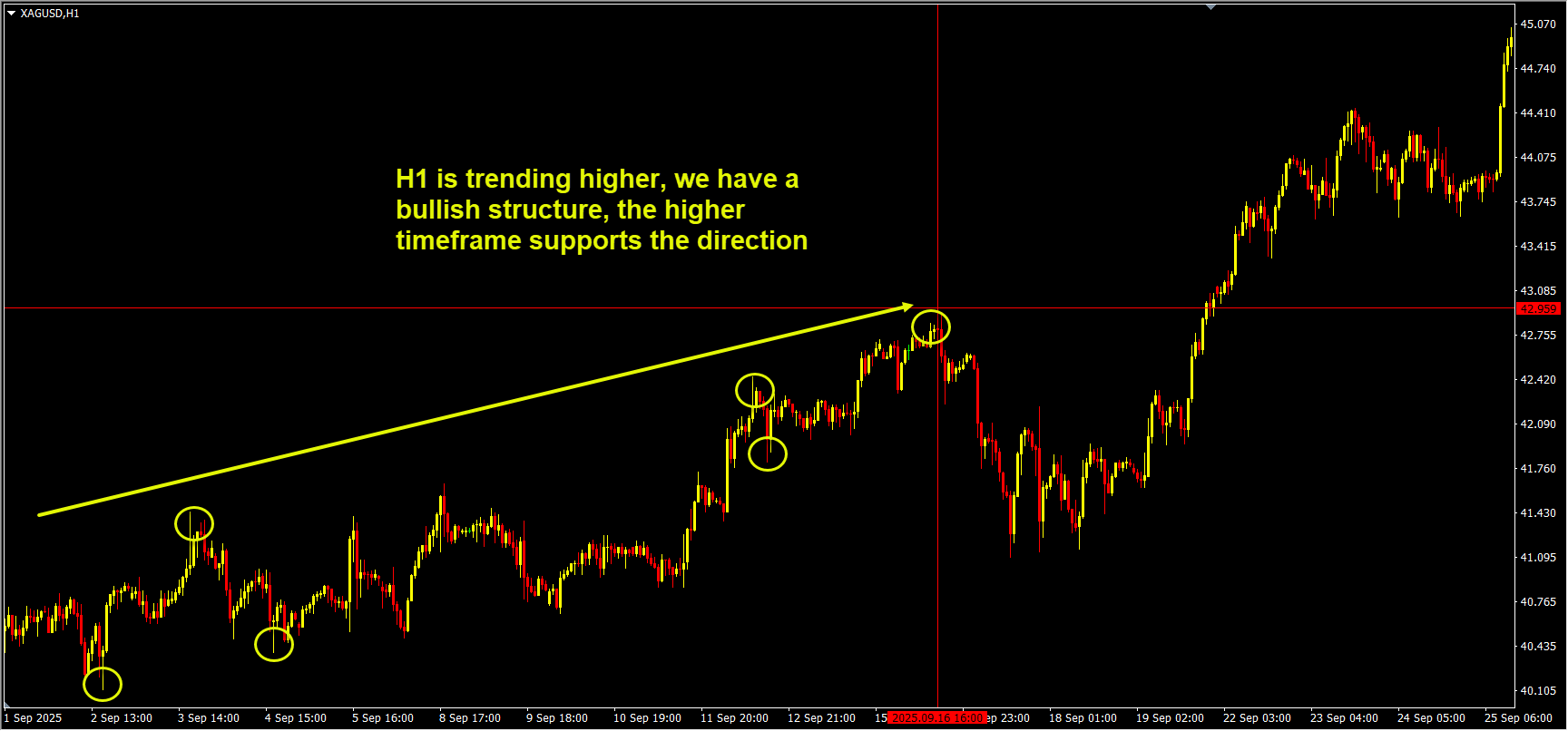 Entering trades against a strong market structure usually leads to frustration. Unless you have a proven reversal strategy, trading with the dominant trend improves your probability of success.
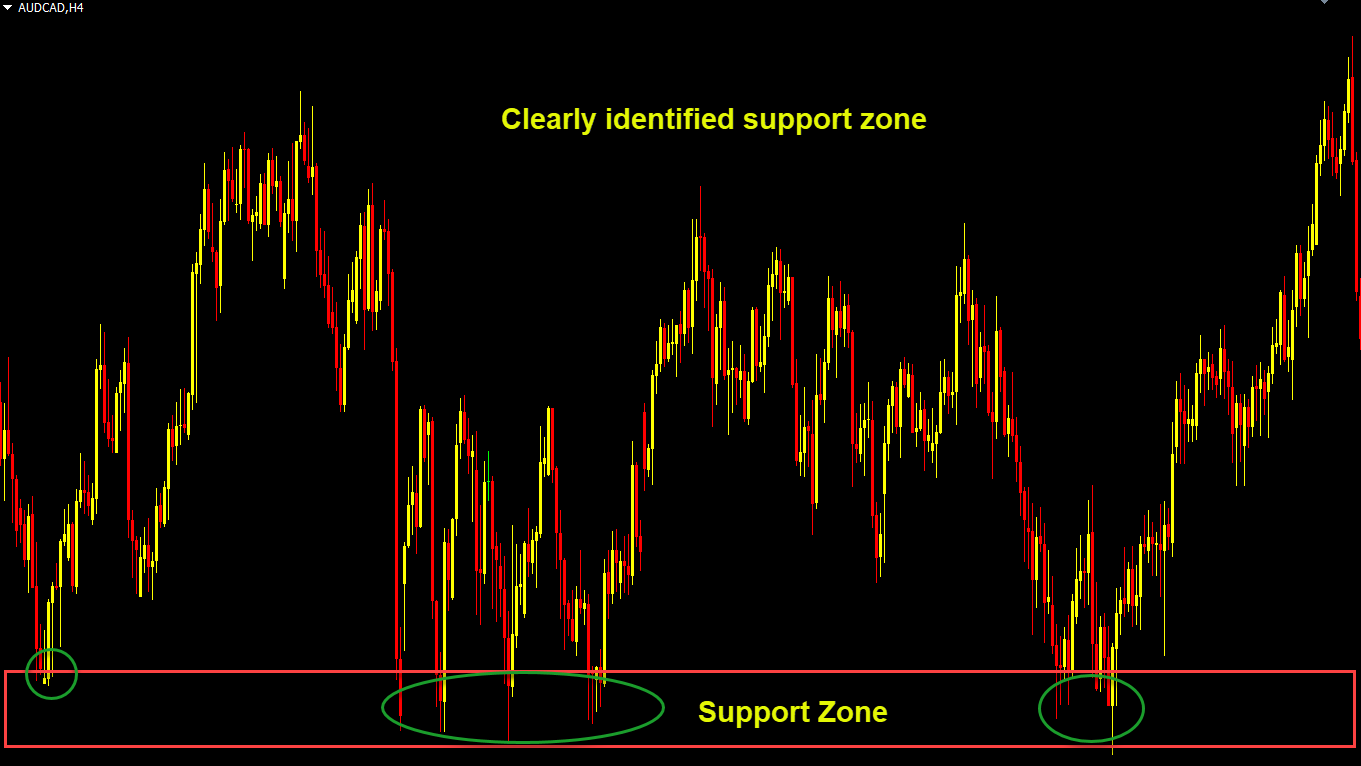
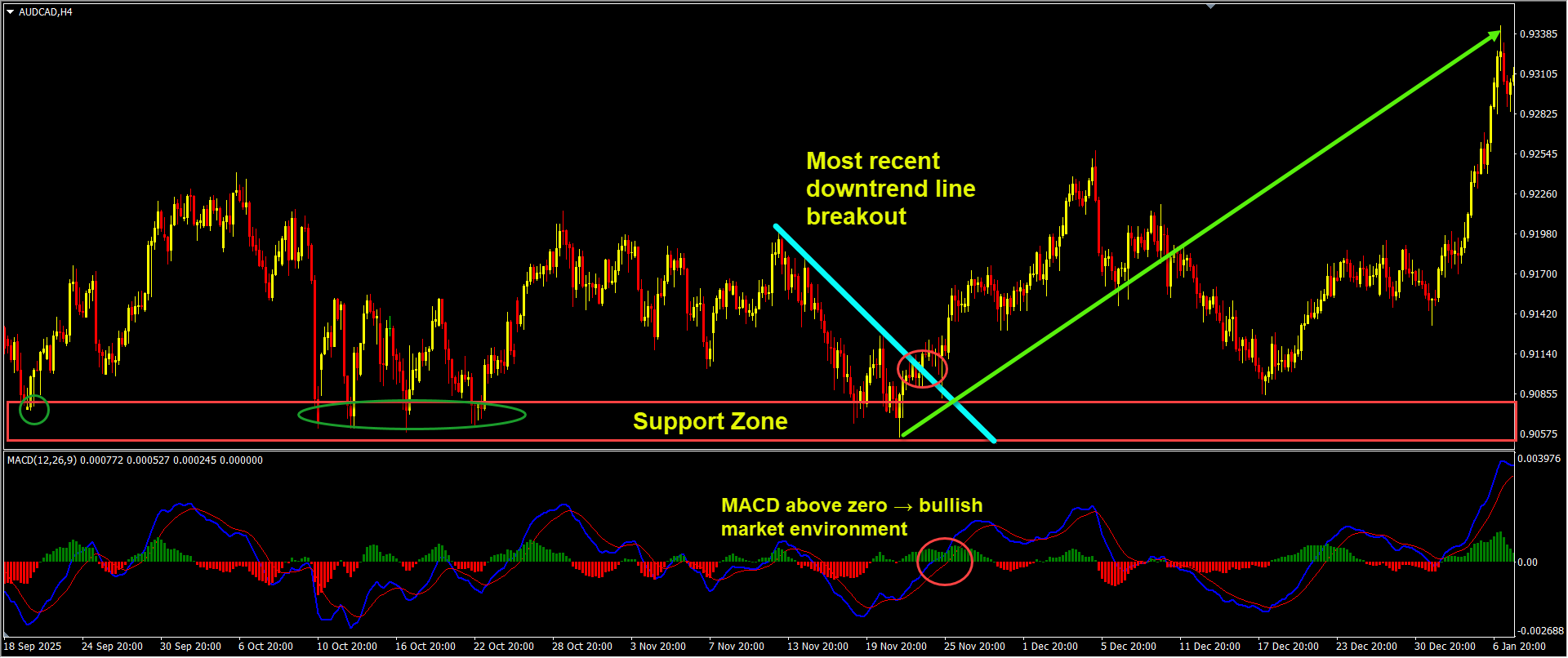 Example –
If even one required condition is missing, the trade is incomplete. No setup means no trade.
Example –
If even one required condition is missing, the trade is incomplete. No setup means no trade.


Why an Entry & Exit Checklist Is SO Important
Before looking at the checklist itself, it’s important to understand its purpose. Most traders already know what they should do. The problem is they don’t always do it. Trades are often entered too quickly, managed emotionally, or closed without logic. A checklist helps you:✔ Slow down decision-making
✔ Trade based on rules instead of impulses
✔ Maintain consistency across trades
✔ Review performance objectively
Think of your checklist as a decision filter. If a trade doesn’t pass through it cleanly, you don’t take it—no matter how tempting it looks.
PART 1 — ENTRY CHECKLIST: BEFORE PLACING A TRADE
This phase is all about confirmation. You are deciding before money is exposed to risk.1. Market Environment — What Is Price Actually Doing?
Start with the bigger picture. Ask yourself:- Is the market trending, or ranging?
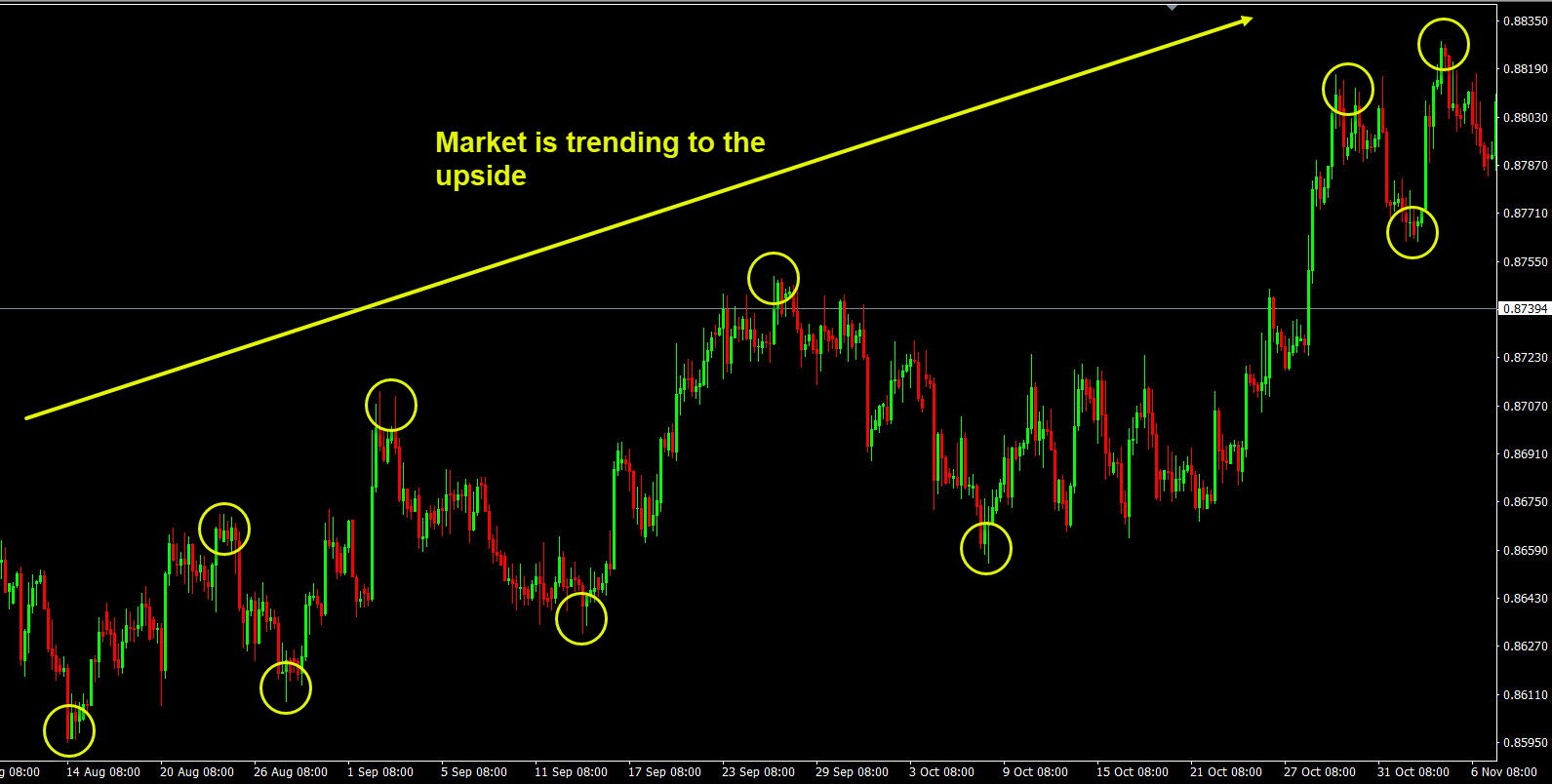
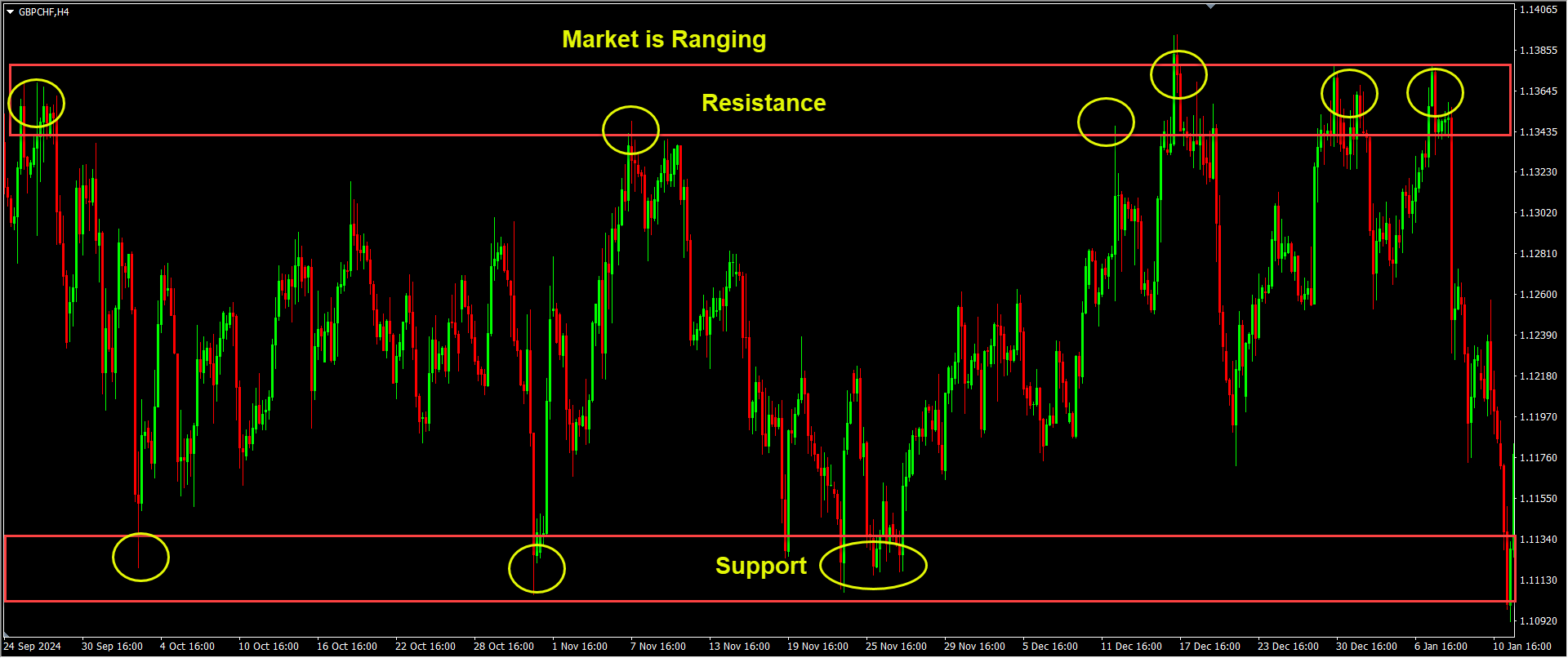
- Do higher timeframes support the direction I want to trade?
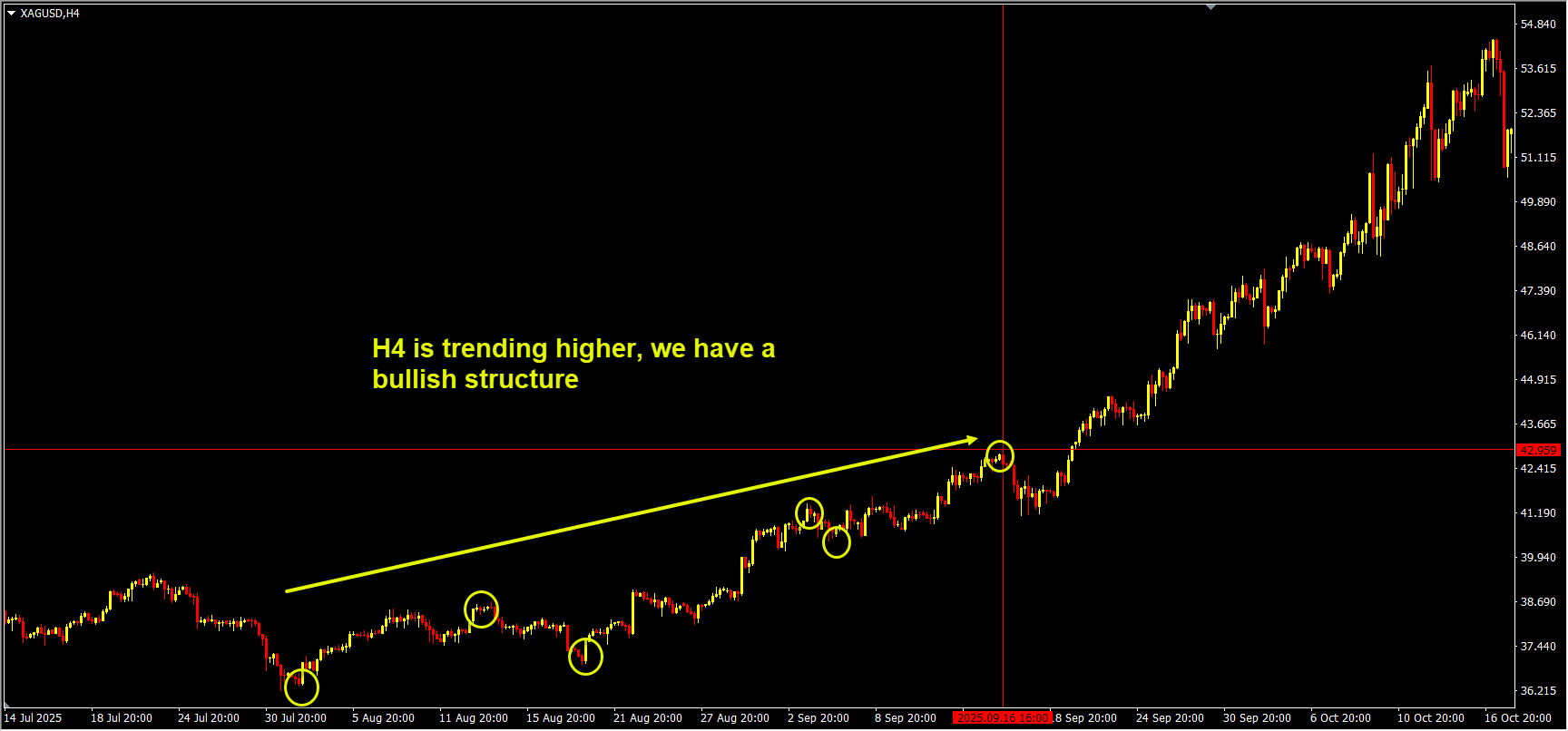
Entering trades against a strong market structure usually leads to frustration. Unless you have a proven reversal strategy, trading with the dominant trend improves your probability of success.
2. Strategy Alignment — Does This Fit My System?
A trade must match your predefined strategy exactly. Confirm that you have:
✔ Clearly identified support or resistance
✔ A valid price pattern or setup
✔ Indicator (if you use them in your strategies) confirmation that aligns with your method
Example –
If even one required condition is missing, the trade is incomplete. No setup means no trade.
3. Timing & Trading Session Awareness
Forex behaves differently throughout the day. Consider:- Is liquidity sufficient at this time?
- Is the market active or slow?
- Does this session typically support this type of move?
4. Risk Definition — Is the Trade Worth Taking?
Before entering, you must already know:- Where your stop loss is placed
- Where your profit target is located
- How much of your account is at risk, and what is the potential reward
✔ Is my stop placed correctly, and is it following a logical structure?
✔ Does the potential reward clearly outweigh the risk?
If the risk-to-reward ratio doesn’t justify the trade, skip it and wait for a better opportunity.
5. News & Volatility Check
High-impact economic events can override technical analysis in seconds. Before executing, confirm:- No major news is imminent
- The pair you’re trading isn’t directly affected
6. Trade Justification — Can I Explain This Trade Clearly?
Before clicking buy or sell, be able to answer this: “Why am I taking this trade?” Your explanation should be clear, specific, and rule-based—not emotional. If you can’t explain the trade in one or two solid sentences, it’s probably not ready.
PART 2 — EXIT CHECKLIST: MANAGING AND CLOSING THE TRADE
Exits define your results. Discipline here is non-negotiable.1. Stop Loss Reached — No Debate
If the price reaches your stop loss, the trade is over. Moving stops out of fear or hope only increases losses. The stop loss exists to protect your capital, not your ego.2. Target Achieved — Take the Win
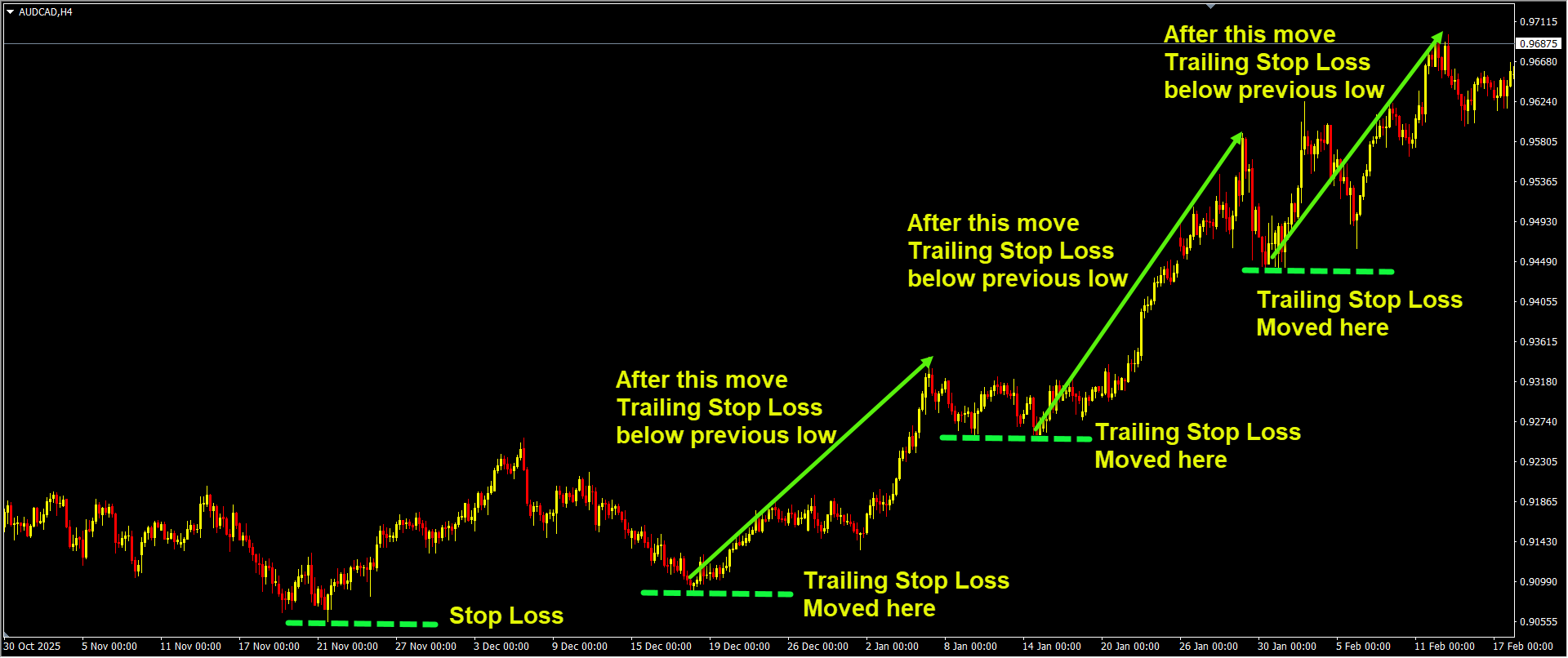
When the price reaches your planned take-profit level, close the position. Consistent traders accept profits according to plan instead of chasing “just a little more.”3. Trailing Stop Conditions
If you use trailing stops, apply them only according to predefined rules. Check:
✔ Has the price moved enough to justify an adjustment?
✔ Has the structure shifted in your favour?
If yes, trail logically. If not, leave the trade untouched.
4. Market Conditions Have Changed
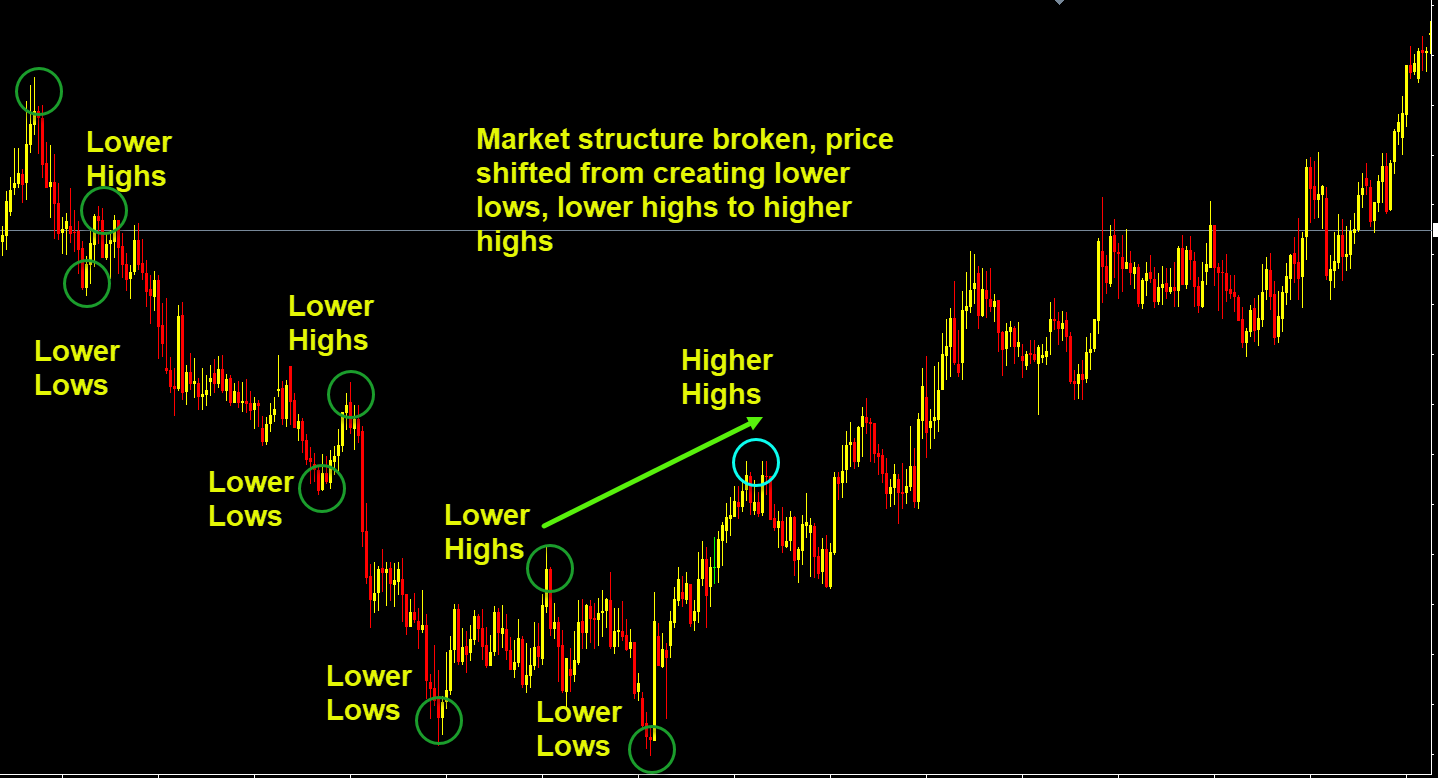
Occasionally, the reasons to stay in the trade disappear before either SL or TP is hit. Re-evaluate:- Has the market structure changed/broken?
- Has sentiment shifted?
- Are your confirmations no longer valid?
5. Emotional Awareness Check
Before closing manually, ask:- Am I reacting emotionally?
- Am I afraid to lose unrealized profit?
- Am I holding just because I don’t want to be wrong?
BONUS — Post-Trade Review
Every closed trade provides data. After completion, review:✔ Did I follow my checklist?
✔ What worked well? What didn’t?
✔ What needs adjustment for next trades?
✔ Was my execution disciplined?
This review process is where long-term improvement is built.
Quick Reference Checklist
ENTRY CONFIRMATION
☑ Market direction clear
☑ Strategy conditions met
☑ Session timing appropriate
☑ Risk-to-reward acceptable
☑ No conflicting news
☑ Trade logic written
EXIT CONFIRMATION
☑ Stop loss respected
☑ Profit target honored
☑ Trailing rules followed (if you use them)
☑ Structure reassessed
☑ Decisions made without emotion