Forex trading is often described as an art and a science. At its core are two powerful approaches —
trend following and
counter-trend trading. Both are widely used by professionals and retail traders alike, but they work in very different ways. Understanding these strategies deeply can make the difference between confusion and clarity in your trading plan.
In this article, we’ll break both approaches down into simple language, explain how they work, when to use each, and the strengths and weaknesses of each. Let’s begin.
What Is a Trend?
Before we compare the two styles, we need to understand what a trend is.
A
trend in Forex is simply the general direction that the price is moving over a period of time Series of highs and lows in the same direction creates a trend.
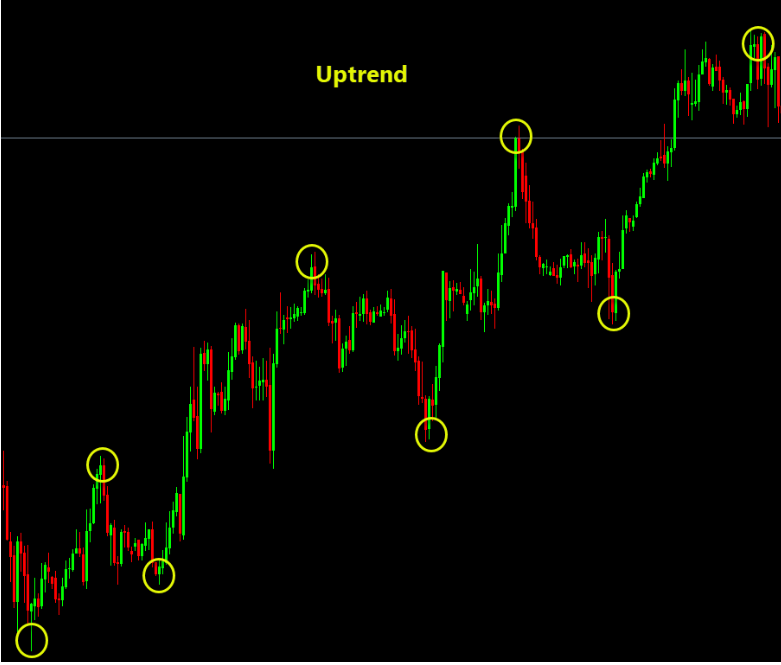
- Uptrend: Higher highs and higher lows — price is generally going up.
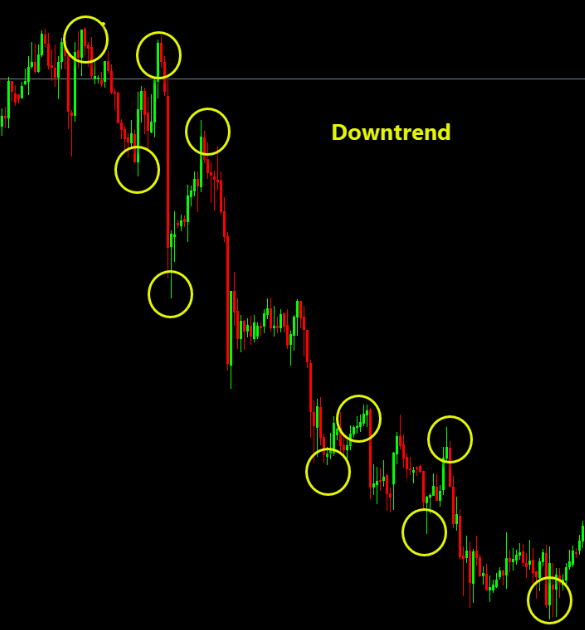
- Downtrend: Lower lows and lower highs — price is generally going down.
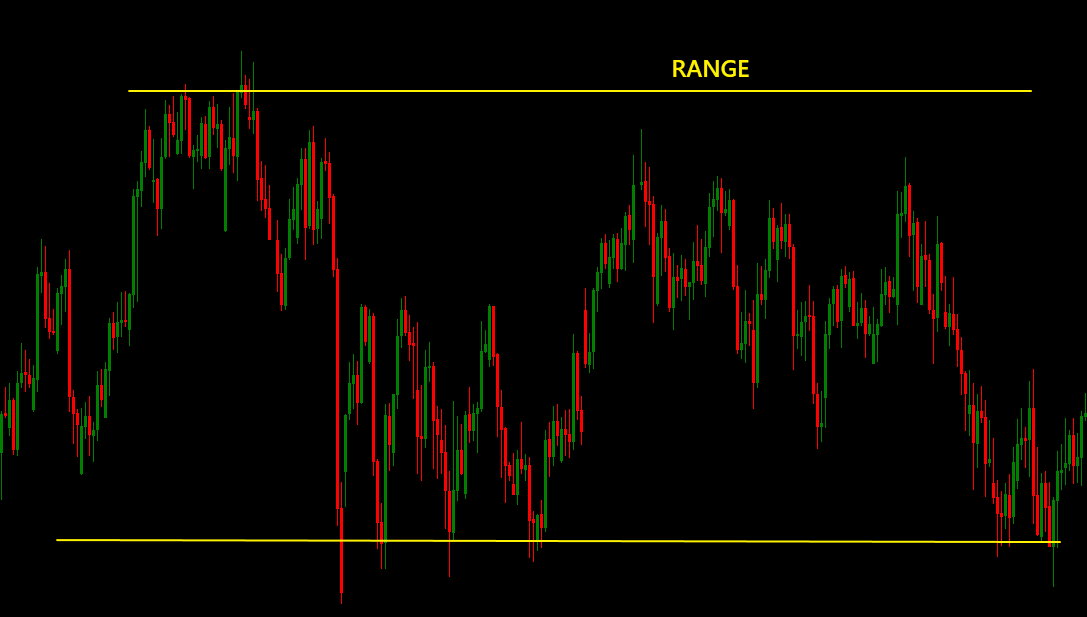
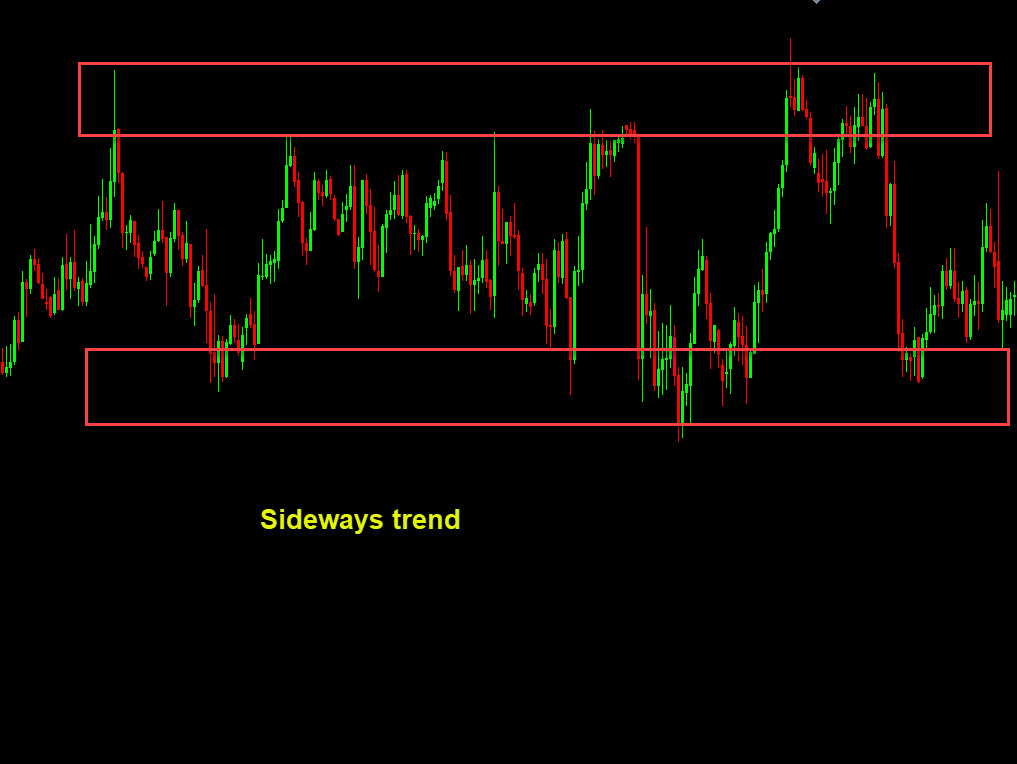
- Sideways/Range: Price moves between levels without a clear upward or downward direction.
You can think of trends like the current of a river. When the current is strong, it’s easier to move with it than against it.
Trend Following — Move With the Current
The Core Idea
Trend following means you identify when a market is trending (up or down) and enter in the direction of that movement. You’re essentially saying:
“The trend is my friend — I will trade with it, not against it.”
This approach assumes that once a trend starts, it tends to continue for a while.
How Trend Following Works
Trend followers use tools that help them define direction and strength:
- Moving Averages (like the 50, 100 or 200 SMA/EMA)
- Trendlines
- Price action patterns (higher highs/lows, lower highs/lows)
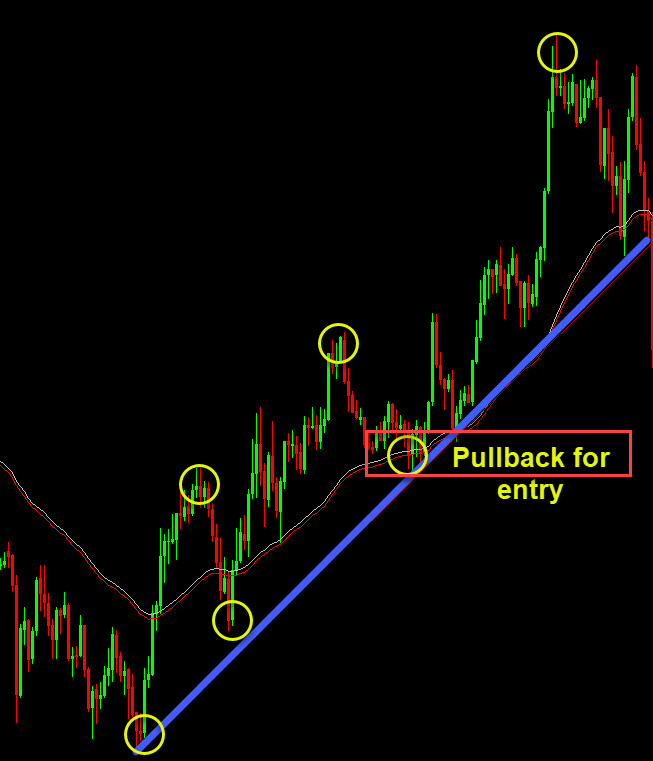
Example: If in an instrument the price has been making higher highs and higher lows, and the price is above a rising moving average and an uptrend line, a trend follower would wait for a pullback and then enter long in the direction of the trend.
Why Trend Following Works
Trends represent persistent buyer or seller dominance. When big players (banks, institutions) push a currency pair, the movement is not random — often a trend forms.
By aligning with this dominant force, you increase your odds of catching larger moves.
Strengths
✔ Ride large moves
✔ Higher probability setups in trending markets
✔ Clear trade management — add on pullbacks, ride winners
Weaknesses
✘ Can suffer small losses in ranging markets,/p>
✘ Sometimes slow at the start of a trend (late entries)
✘ Requires patience
Counter-Trend — Trade Against the Current
The Core Idea
Counter-trend traders look for points where the price is overextended and likely to reverse or pull back. Instead of following the larger trend, they anticipate a reversal:
“Price goes up — and then reverses down. I’ll trade that reversal.”
This is a more advanced and aggressive form of trading.
How Counter-Trend Works
Counter-trend traders look for:
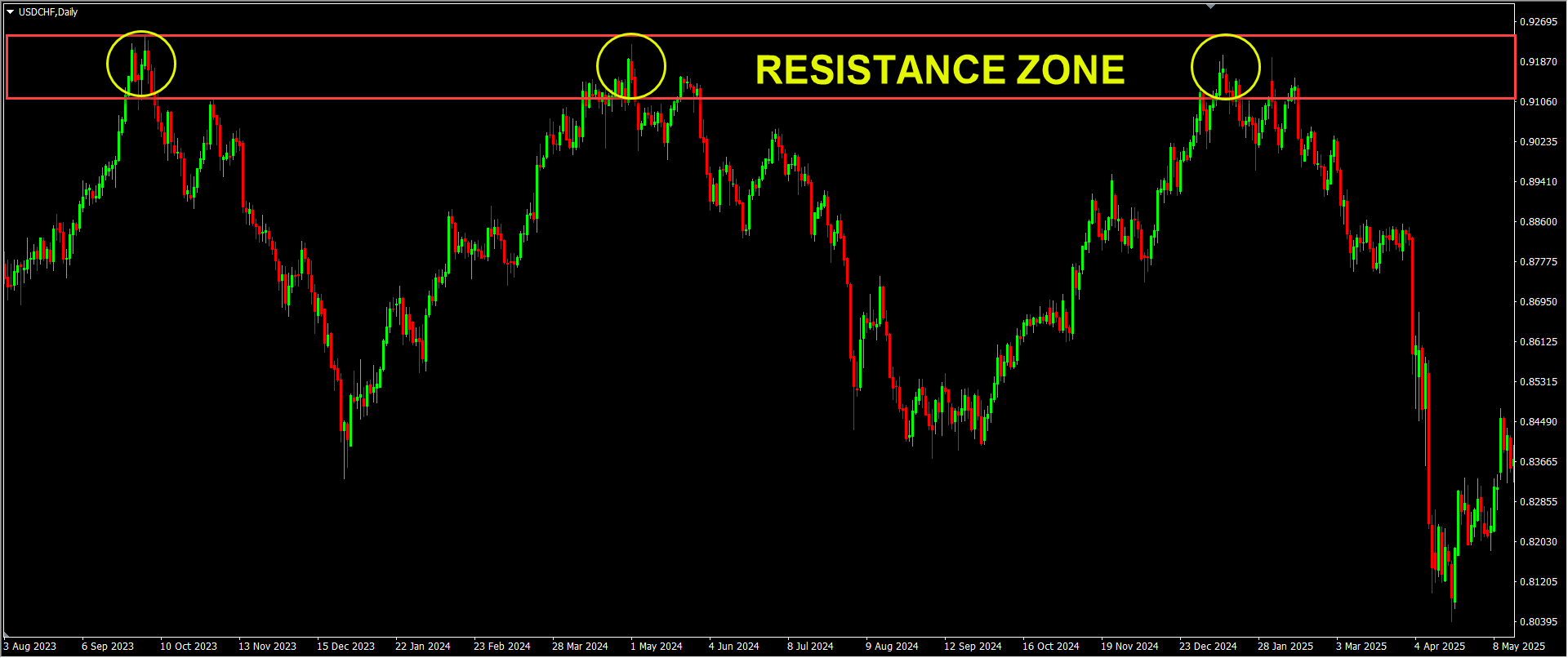
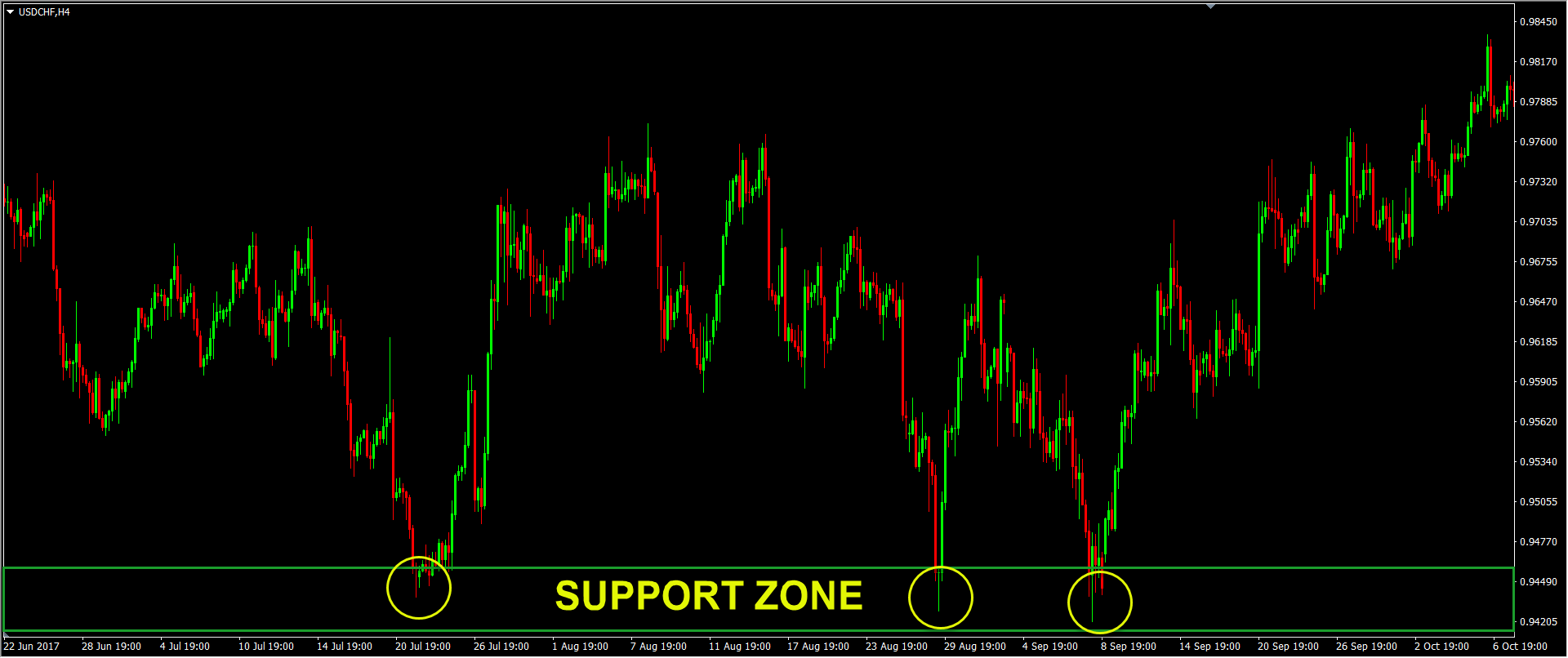
- Support & Resistance
Price reversed from Resistance and Support Zones, as you can see in the examples below:
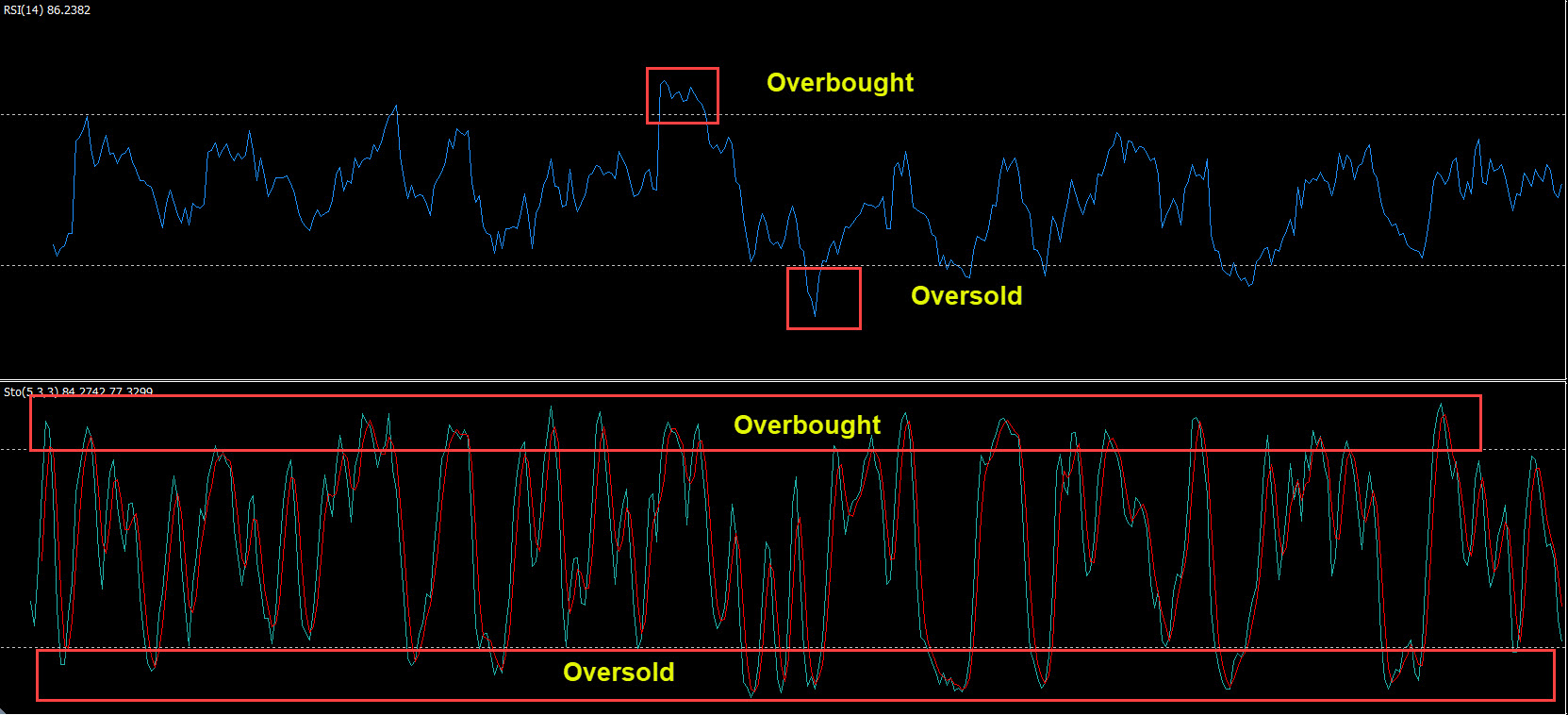
- Overbought/Oversold conditions (RSI, Stochastic)
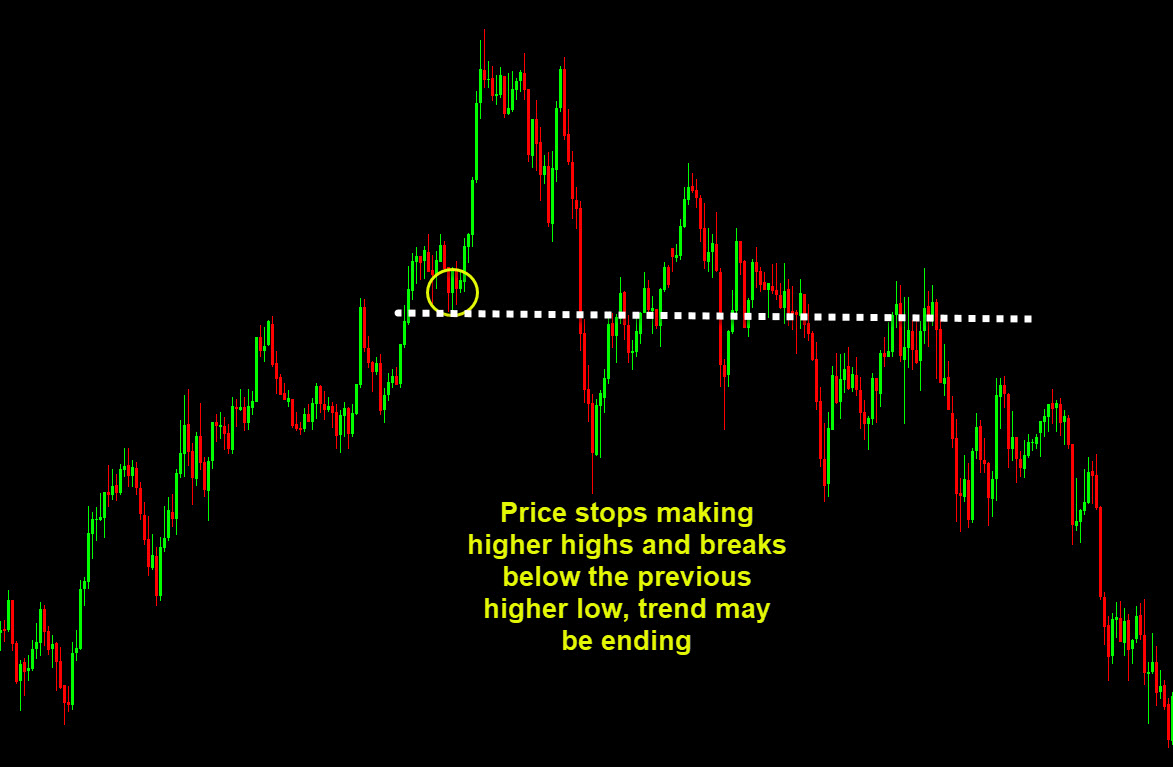
- Change in price action structure
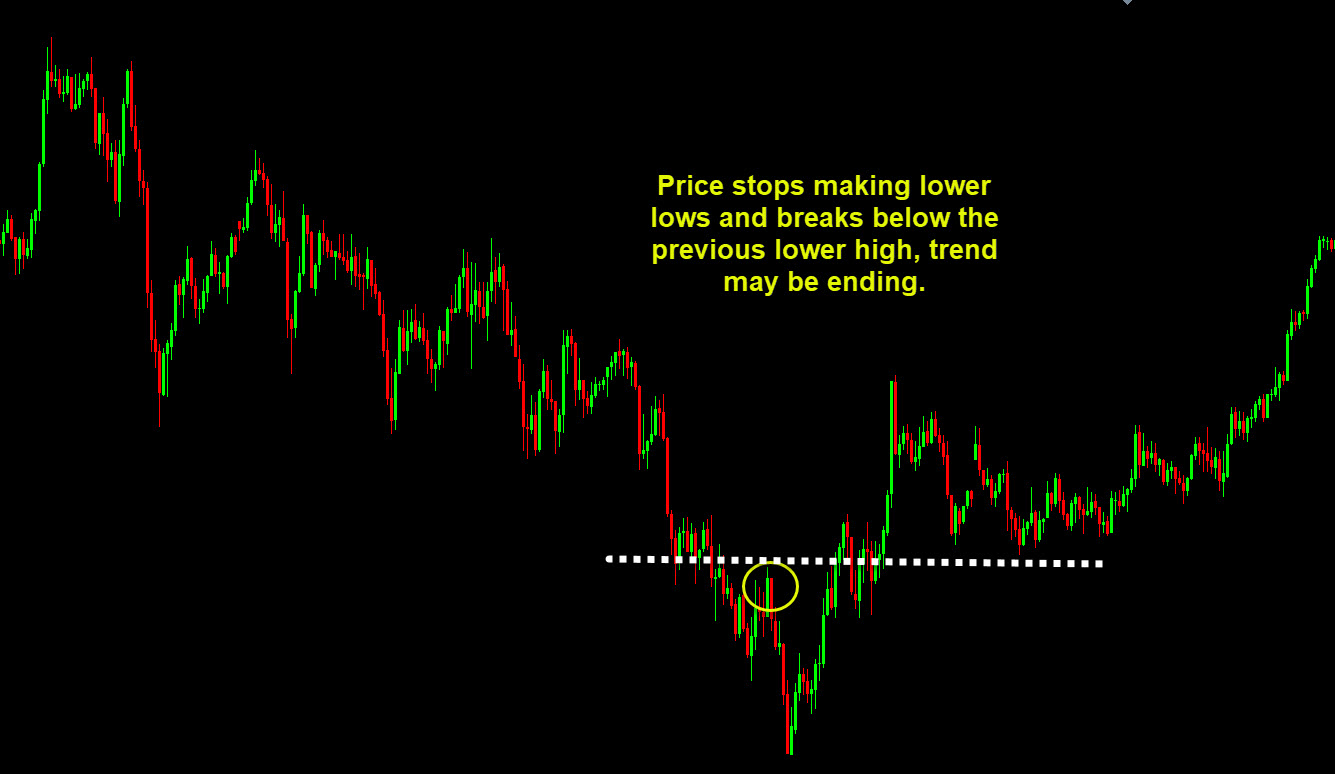
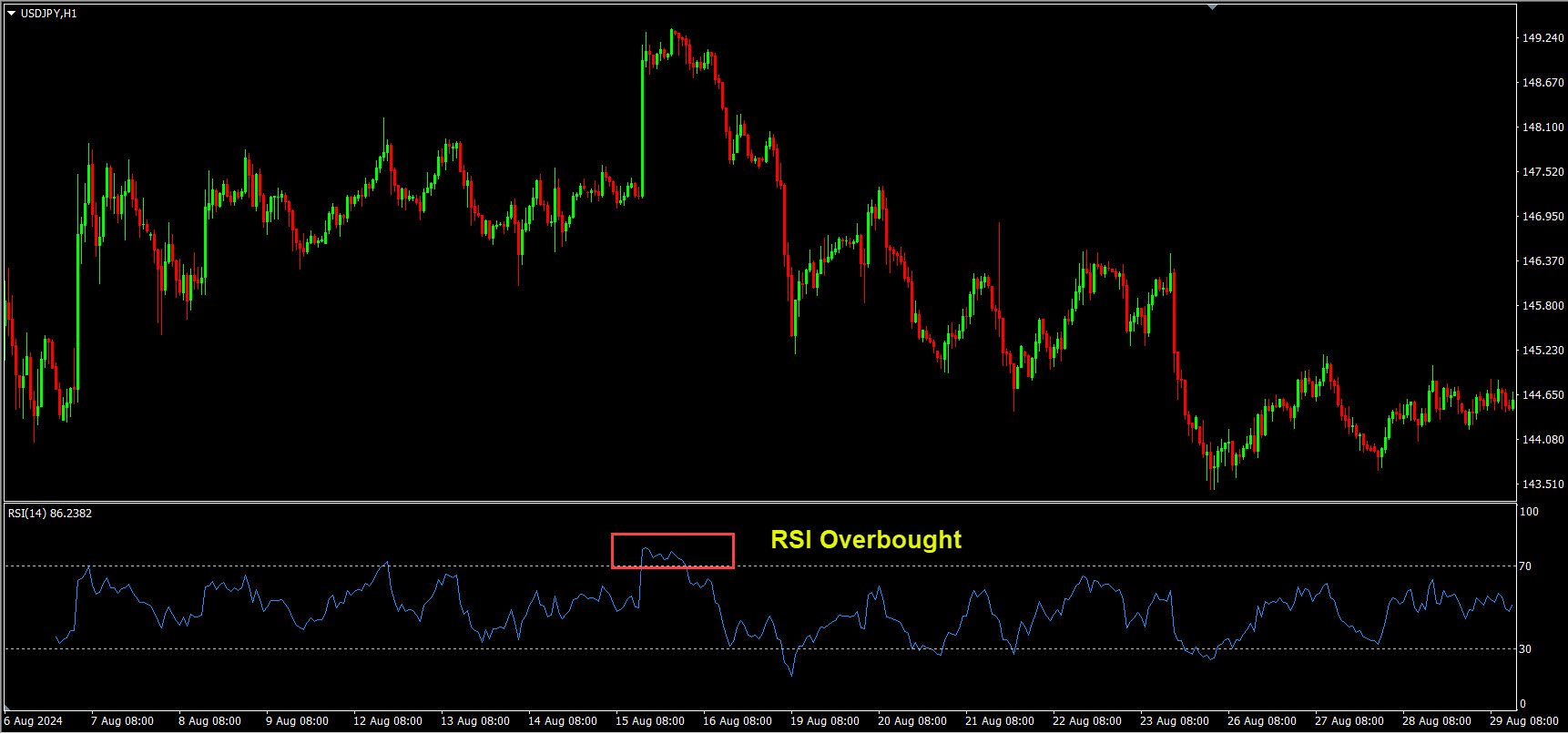
Example: If USDJPY has spiked sharply upward and RSI shows an extreme overbought reading (above 70), a counter-trend trader may look for signs that the up move is losing strength and then enter short.
Why Counter-Trend Works
Markets don’t move in straight lines. After a strong leg, they often retrace, correct, or reverse. Counter-trend traders exploit this unnatural exhaustion in price movement.
Strengths
✔ Can capture early moves before a trend even starts
✔ Often offers better risk-to-reward if entry timing is precise
✔ Works well in ranging markets
Weaknesses
✘ Higher risk — trends can overpower counter trades
✘ Requires precise timing and confirmation
✘ Many false signals without tight rules
Trend Following vs. Counter-Trend — Head-to-Head
| Feature |
Trend Following |
Counter-Trend |
| Risk Level |
Safe/Moderate |
High |
| Best Market Condition |
Trending |
Sideways/Ranging |
| Entry Timing |
After pullbacks |
At perceived exhaustion |
| Typical Win Size |
Larger moves |
Smaller corrective moves |
| Stop Loss Behavior |
Wider |
Tighter (but triggered often) |
| Emotional Comfort |
Patience |
Quick reaction |
Which One Should You Use?
The honest answer?
Both — but at the right time.
Use Trend Following When:
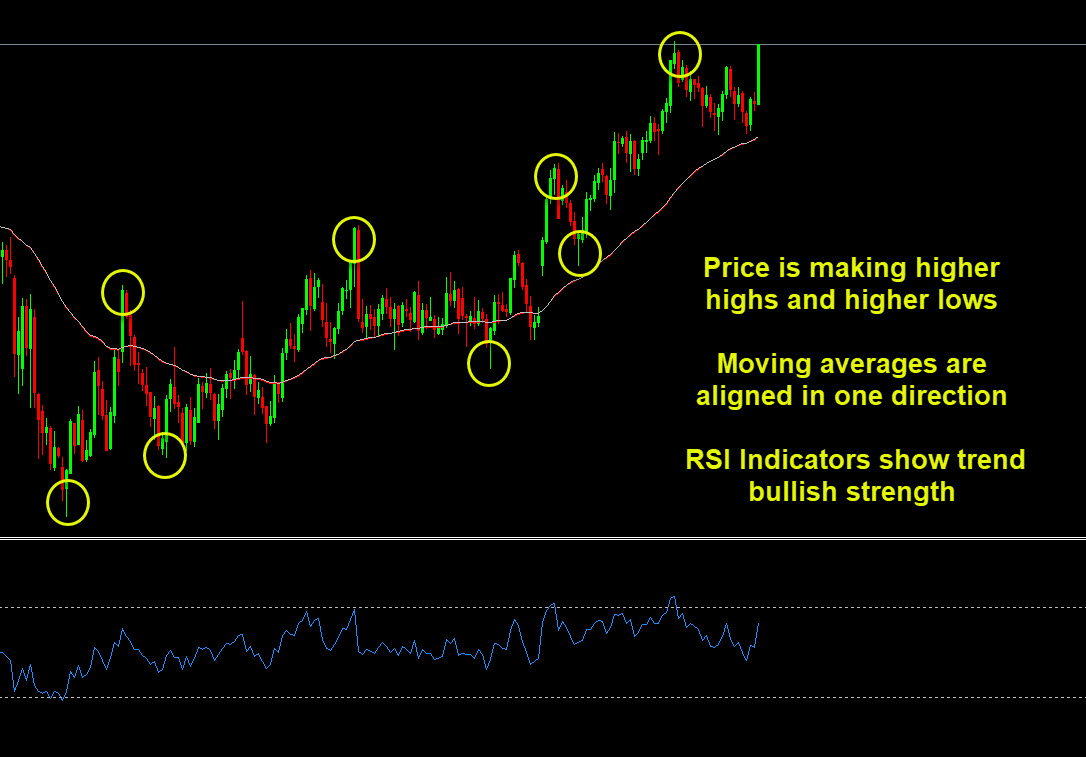
✔ Price is making higher highs and higher lows (or vice versa)
✔ Moving averages are aligned in one direction
✔ Indicators show trend strength
Use Counter-Trend When:
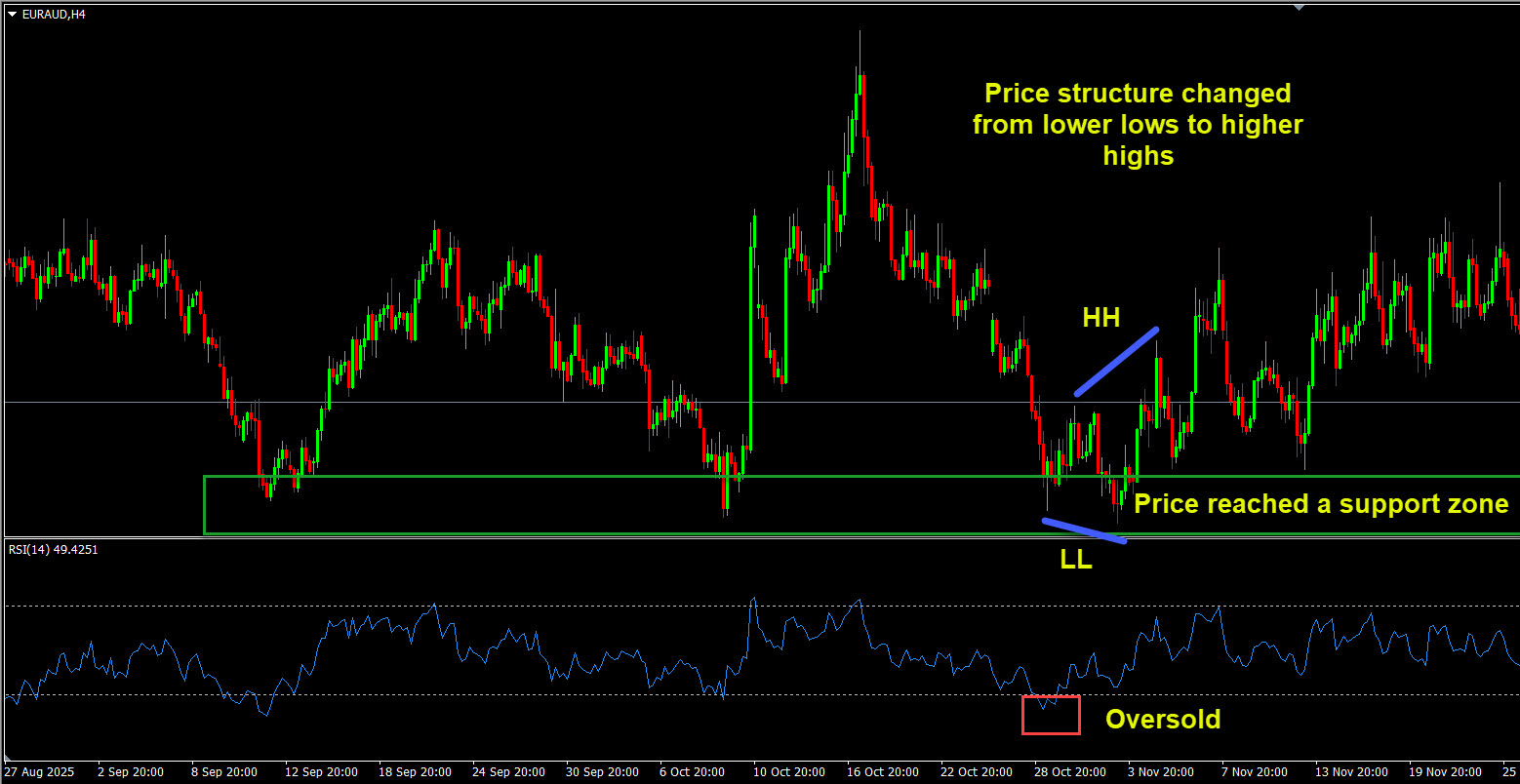
✔ Price hits strong support or resistance
✔ Indicators show overbought/oversold conditions
✔ You see clear reversal patterns
A Practical Workflow You Can Use
Here’s a simple step-by-step process to blend both strategies:
Step 1 — Define the Market
Check the daily and 4-hour trend:
- If trending → Favor trend following
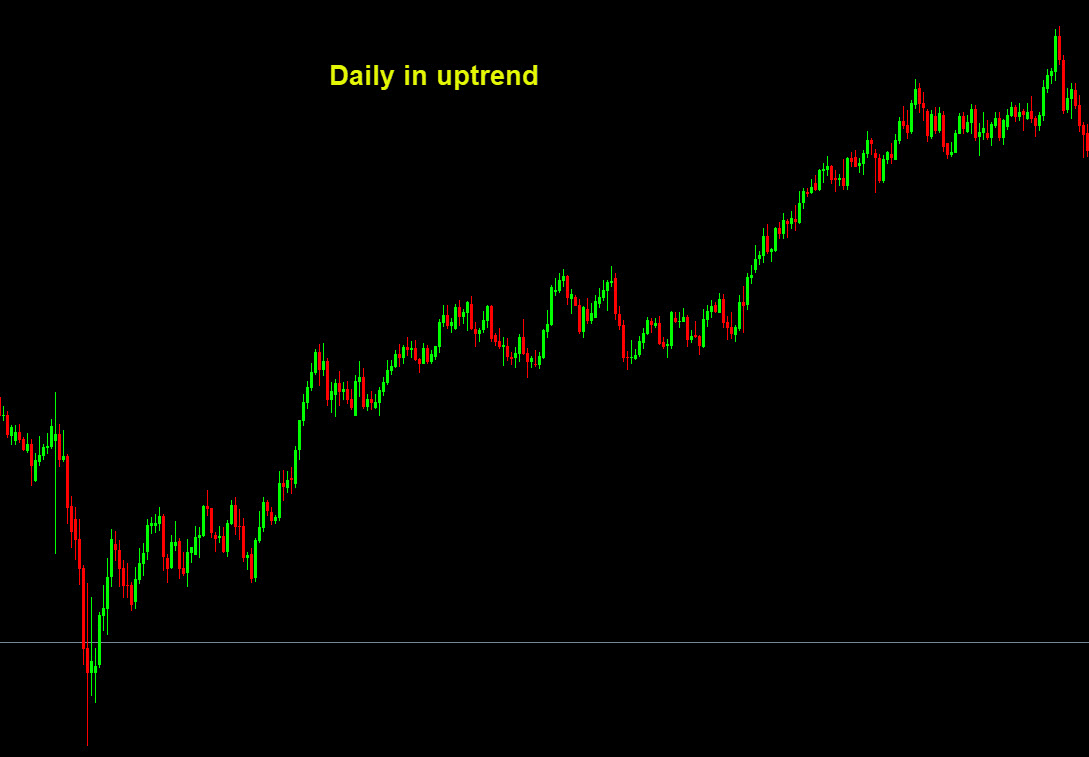
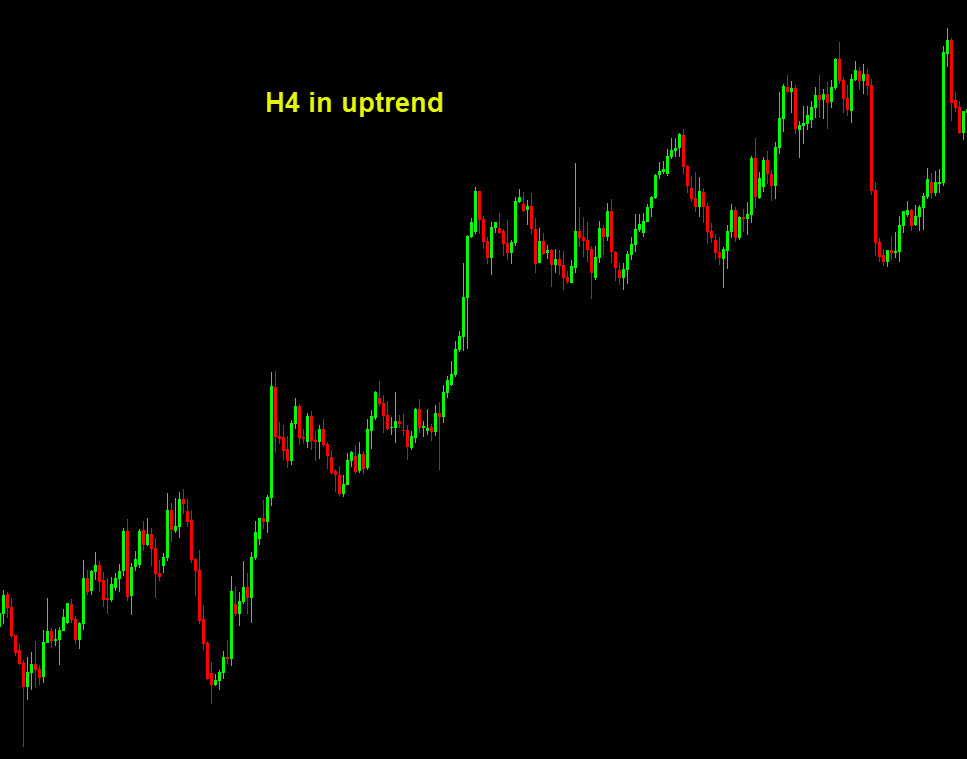
- If sideways → Favor counter-trend
Step 2 — Confirm with Indicators
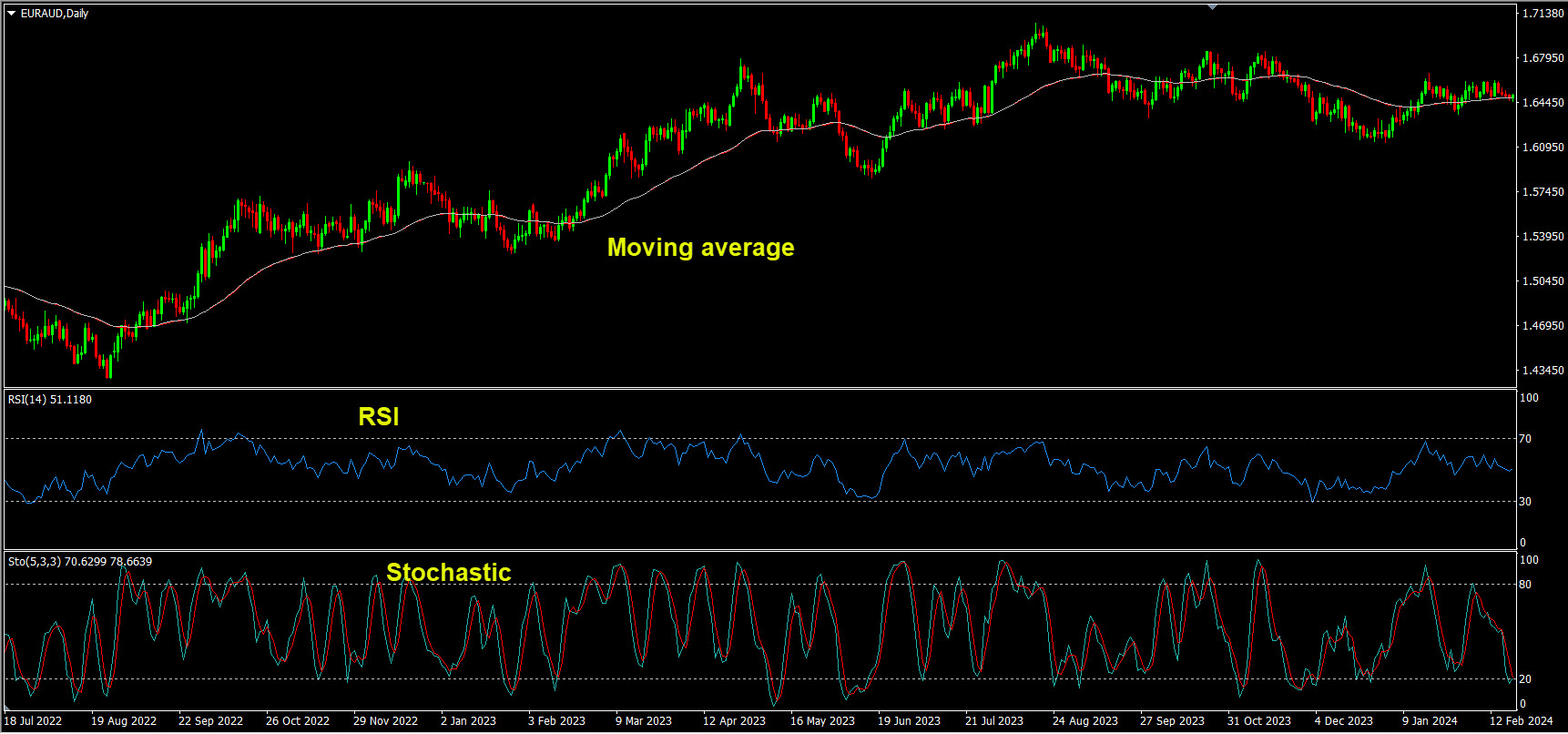
- Moving averages for trend
- RSI/Stochastic (for example) for overextensions
Step 3 — Wait for Structure
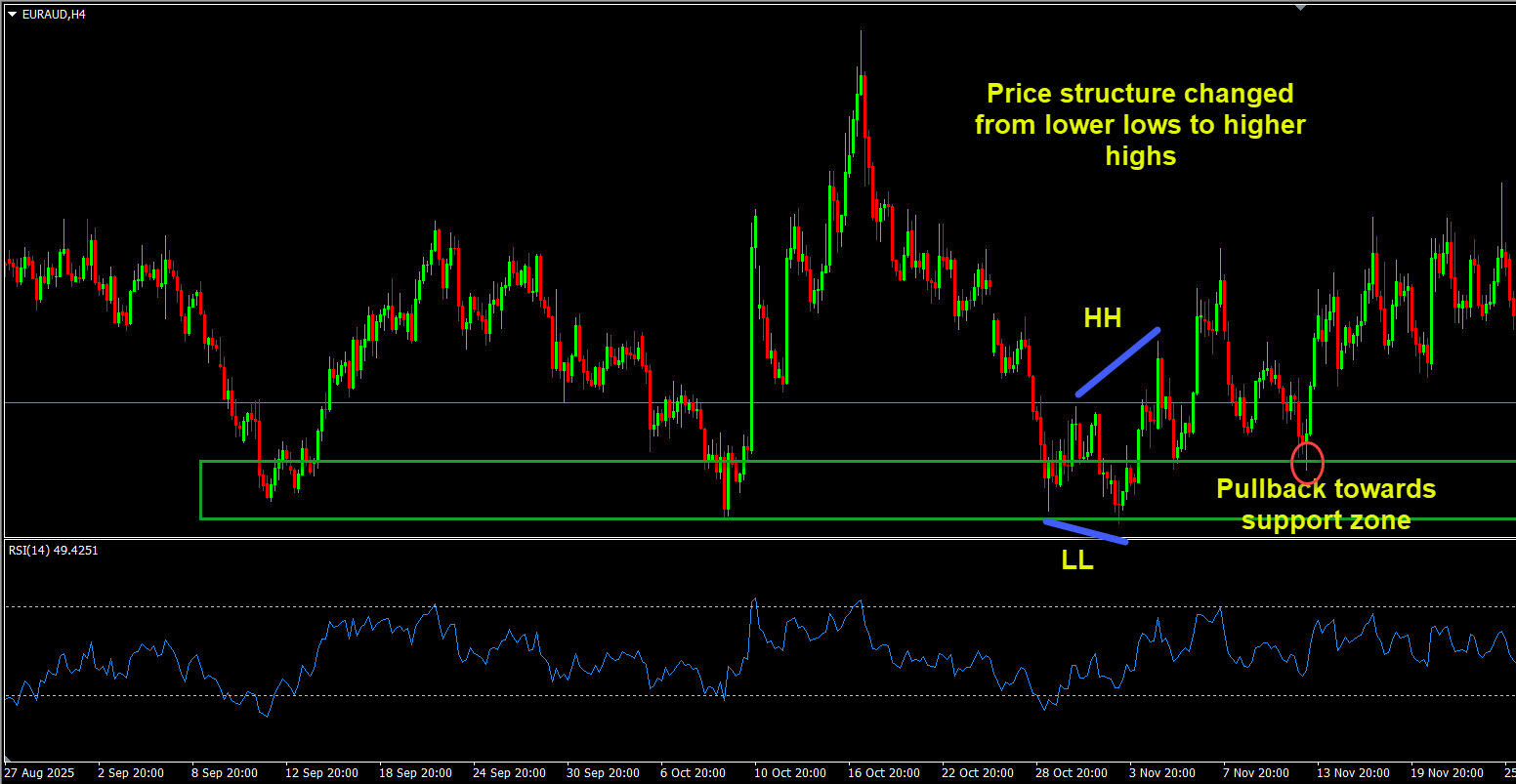
Trend following: Wait for a pullback to support/resistance zone
Counter-trend: Wait for a pattern change from lower lows to higher highs and higher highs to lower lows around strong support/ resistance zones.
Step 4 — Set Your Stops and Targets
Trend following: Wider stops, let profits run
Counter-trend: Tighter stops, good Risk: Reward ratio for targets
Real-World Example (Simplified)
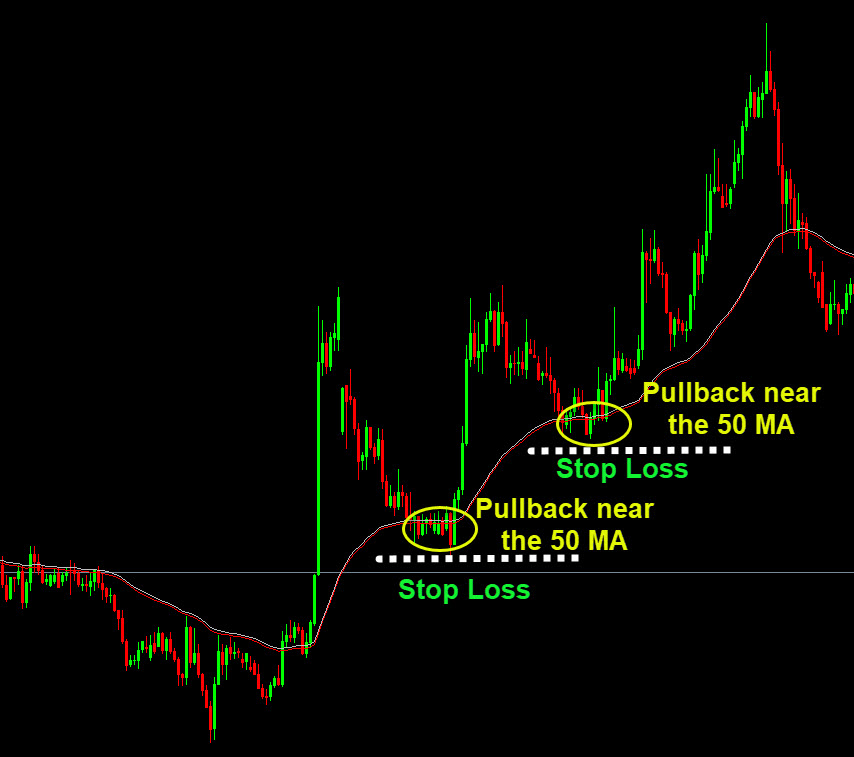
Let’s say price is in a strong uptrend:
- Trend follower waits for pullback near the 50 EMA
- Enters long
- Sets stop below recent swing low
- Takes profit in increments
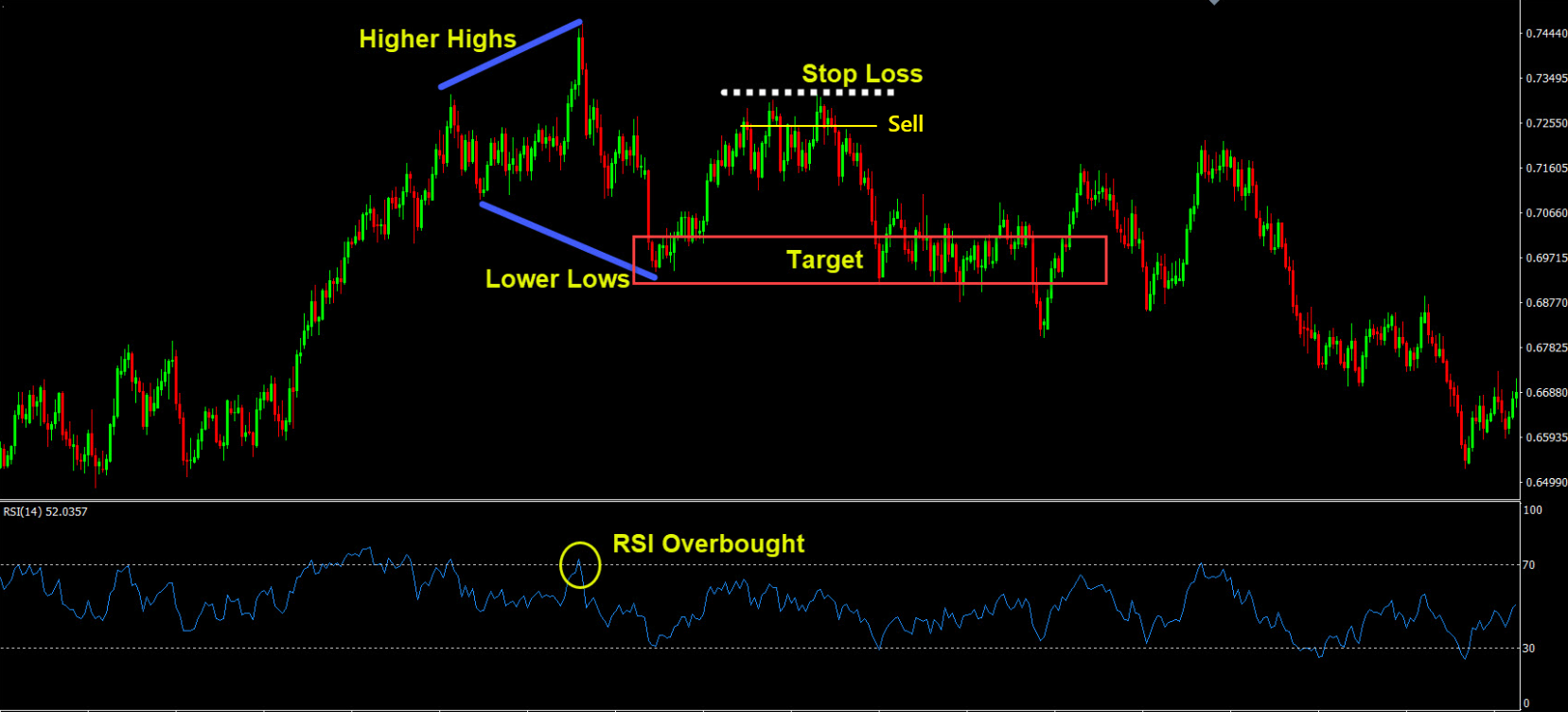
Now price stalls and hits resistance — RSI shows overbought:
- Counter-trend trader waits for a bearish reversal pattern
- Enters short with a tight stop loss after a pullback to the supply area
- Target the last low
Both traders see opportunities — just with different mindsets and tools.
Common Mistakes Traders Make
❌ Trend Followers Jump in Too Early
They chase price at highs without a pullback — bad risk.
❌ Counter-Trend Traders Fade Strong Trends
They try to pick tops and bottoms without confirmation — risky.
❌ Ignoring Timeframes
What looks like a range on 15m may be trending on 4h. Always align your timeframe.
Final Thoughts — The Balanced Trader
Great Forex traders don’t blindly follow one approach — they
adapt to market conditions.
- In trending markets, follow the trend and momentum.
- In ranging markets, fade the extremes.
- Always use structured rules and risk management.
In the long run, understanding why prices move helps you choose when to trade with or against the market — and that’s where consistent profits come from.